

Principle and Working Scene Characteristics of Cement Fly Ash Pneumatic Conveying Equipment
HeadPowder, a leading manufacturer based in Shandong, China, specializes in the design and production of advanced pneumatic conveying systems tailored for cement and fly ash transportation. This article delves into the fundamental principles of these systems and highlights their operational characteristics across various industrial applications.
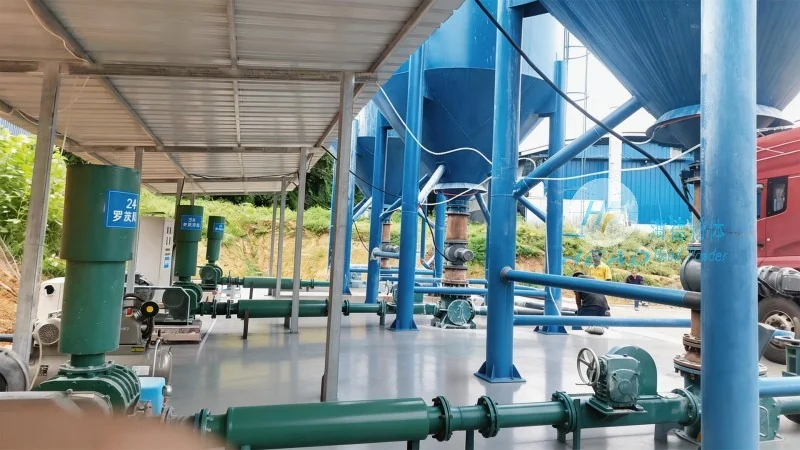
Overview of Pneumatic Conveying Systems for Cement and Fly Ash
Pneumatic conveying equipment, such as the systems developed by Shandong HeadPowder Engineering Co., Ltd., utilizes air or gas to transport bulk materials like cement and fly ash from one location to another. The core principle involves creating a pressure differential to move the material through a pipeline network. This method offers significant advantages over traditional mechanical conveying, including reduced maintenance, lower energy consumption, and enhanced safety in handling potentially hazardous materials.
Key Working Principles of the Equipment
The operation of cement and fly ash pneumatic conveying systems is based on several critical principles. First, the system generates a flow of air or gas within the pipeline, creating a pressure difference between the inlet and outlet. This pressure differential propels the material particles forward. The equipment typically includes components like a hopper for material storage, a blower or compressor to generate the airflow, and a pipeline network that guides the material to its destination. The design of these components is optimized to ensure efficient material transport with minimal degradation or loss.
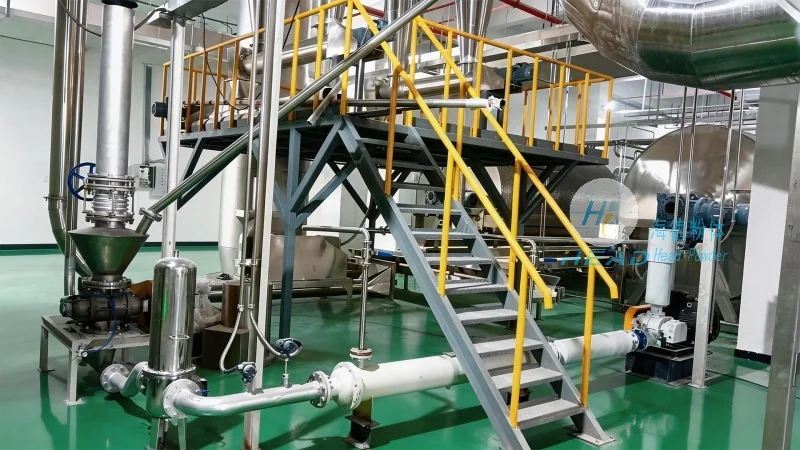
Working Scene Characteristics and Applications
The working scene characteristics of cement and fly ash pneumatic conveying systems are tailored to meet the demands of diverse industrial environments. In cement production facilities, these systems are commonly used to transport raw materials and finished products between processing units, such as from storage silos to mixing plants. In power plants, they play a crucial role in handling fly ash from boilers, ensuring safe and efficient removal from the combustion process. The systems are also applied in construction sites and industrial sites where bulk material handling is required for project execution.
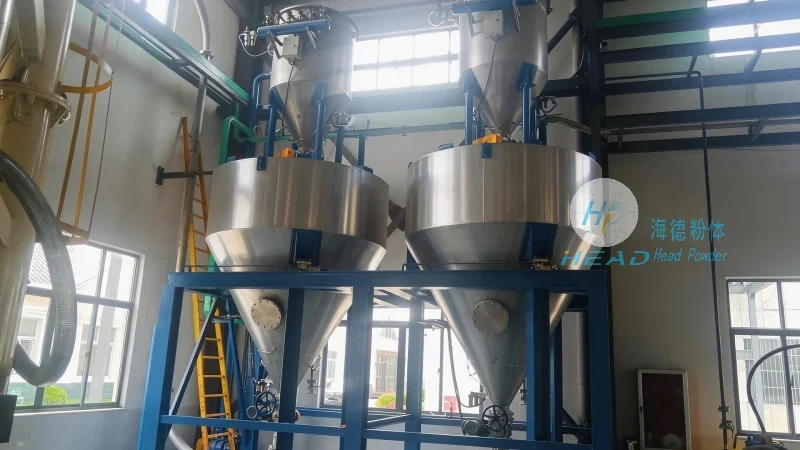
Advantages in Different Operational Scenarios
Across various working scenes, the pneumatic conveying equipment from HeadPowder demonstrates notable advantages. In industrial plants, the systems reduce the risk of dust exposure and material spillage, contributing to a safer working environment. The flexibility of the pipeline layout allows for easy integration into existing infrastructure, minimizing construction and installation time. Additionally, the systems can handle materials with varying particle sizes and moisture content, making them versatile for different applications. The energy efficiency of these systems is another key benefit, as they often require less power compared to mechanical conveyors, leading to cost savings over time.
Conclusion and Company Information
Shandong HeadPowder Engineering Co., Ltd., with its headquarters in Shandong, China, provides reliable and efficient pneumatic conveying solutions for cement and fly ash transportation. The company's expertise in designing customized systems ensures that clients receive equipment tailored to their specific operational needs. By leveraging advanced technology and robust engineering, HeadPowder delivers products that enhance productivity, safety, and cost-effectiveness in material handling processes across various industrial sectors.