Adipic acid, a crucial raw material in the production of nylon and other polymers, requires efficient and reliable material handling systems to ensure smooth industrial processes. The adipic acid material handling conveyor is a specialized equipment designed to transport this chemical safely and effectively within manufacturing facilities. This article explores the concept of such a conveyor system and delves into its core design principles, highlighting the technical aspects that make it suitable for handling adipic acid and other similar industrial chemicals.
Understanding the Adipic Acid Material Handling Conveyor
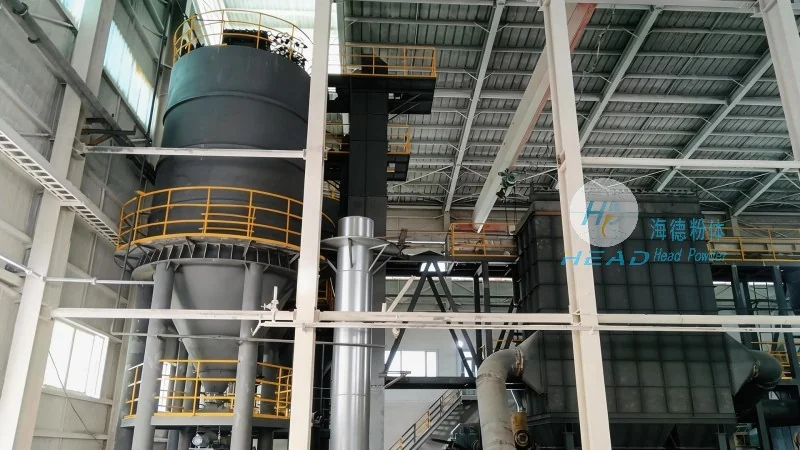
The adipic acid material handling conveyor is a type of industrial conveyor system engineered specifically for the transportation of adipic acid, a white crystalline organic acid used extensively in the chemical and polymer industries. As a key intermediate in the synthesis of nylon-6,6, adipic acid is often handled in large quantities, making efficient material flow critical to production efficiency. The conveyor system is designed to meet the stringent safety and operational requirements associated with handling this chemical, ensuring minimal risk of spills, contamination, or equipment damage.
Key Components and Design Considerations
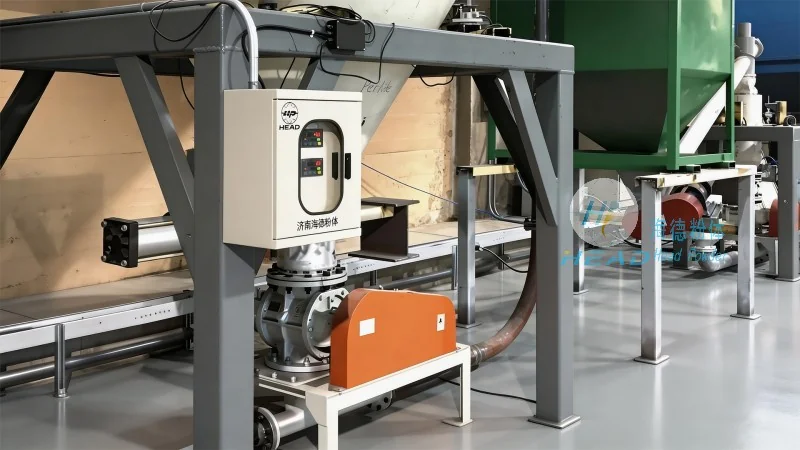
The design of an adipic acid material handling conveyor involves several critical components and considerations tailored to the unique properties of adipic acid. These include:
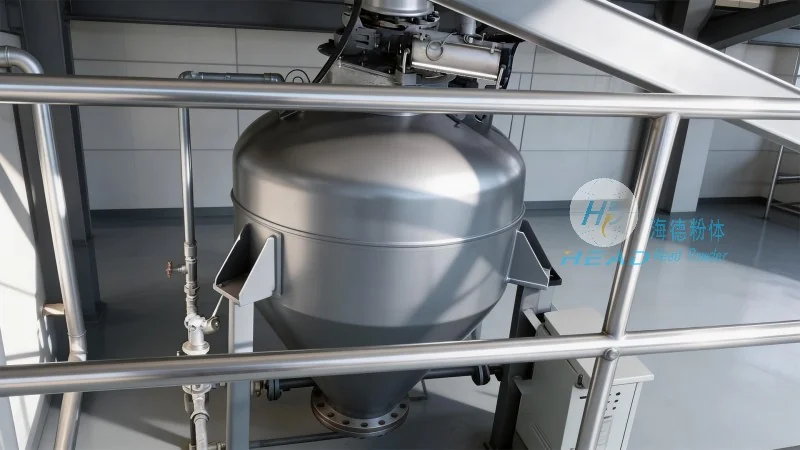
- Material of Construction: The conveyor's components, such as the conveyor belt, idlers, and frame, are typically made from materials resistant to chemical corrosion and abrasion. Common materials include stainless steel, polyethylene, or specialized polymers that can withstand exposure to adipic acid without degradation. This ensures durability and long-term performance in harsh industrial environments.
- Belt Type and Surface: The conveyor belt is often designed with a smooth, non-stick surface to prevent the buildup of adipic acid on the belt surface. This feature minimizes the risk of material adhesion and facilitates easy cleaning, which is essential for maintaining product purity and preventing contamination. The belt may also be treated with anti-static properties to mitigate the risk of electrostatic discharge, a common concern in chemical handling.
- Drive System: The drive system is engineered to provide consistent and reliable power transmission while minimizing mechanical stress on the conveyor components. This typically involves high-efficiency motors and gearboxes that can handle the load requirements of transporting adipic acid, ensuring smooth operation and reducing maintenance needs.
- Control and Safety Features: Advanced control systems are integrated into the conveyor design to monitor and regulate its operation. These systems may include sensors for level detection, temperature monitoring, and overload protection. Safety features such as emergency stop buttons, interlocked access panels, and visual indicators are also incorporated to ensure operator safety and compliance with industrial safety standards.
Design Principles for Optimal Performance
The design principles of an adipic acid material handling conveyor are centered on efficiency, safety, and durability. The system is engineered to minimize material degradation, prevent contamination, and ensure consistent flow rates. Key design principles include:
- Continuous and Uninterrupted Flow: The conveyor is designed to provide a continuous and uninterrupted flow of adipic acid, minimizing downtime and ensuring steady production output. This is achieved through proper belt tensioning, alignment, and maintenance to prevent belt slippage or misalignment.
- Low Friction and Minimal Abrasion: The design minimizes friction between the belt and the conveyed material to reduce wear and tear on both the belt and the conveyor components. This extends the service life of the equipment and reduces maintenance costs over time.
- Easy Cleaning and Maintenance: The conveyor is constructed with features that facilitate easy cleaning and maintenance. This includes removable components, smooth surfaces, and access points for inspection and repair. Regular cleaning is essential to prevent the accumulation of adipic acid on the conveyor surface, which can lead to clogging or contamination.
- Compliance with Industry Standards: The design adheres to relevant industry standards and regulations, such as those from the American Conference of Governmental Industrial Hygienists (ACGIH) and the Occupational Safety and Health Administration (OSHA), to ensure safe handling of adipic acid and protect workers from exposure to hazardous chemicals.
Applications and Benefits
Adipic acid material handling conveyors are widely used in various industrial applications, including chemical manufacturing, polymer production, and pharmaceutical processing. The primary benefits of using such a conveyor system include:
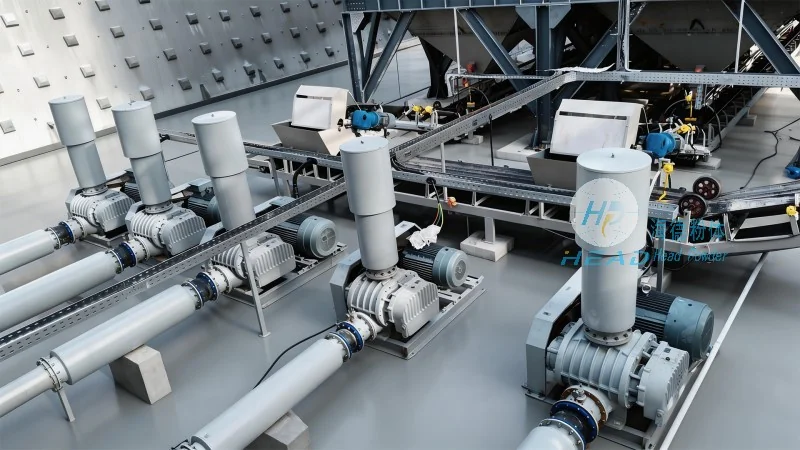
- Enhanced Productivity: By ensuring efficient and continuous material flow, the conveyor system helps to increase production output and reduce downtime, leading to higher overall productivity.
- Improved Safety: The design incorporates safety features that minimize the risk of accidents and exposure to adipic acid, protecting workers and maintaining a safe working environment.
- Cost-Effective Operation: The durable construction and low maintenance requirements of the conveyor system result in lower operational costs over its lifespan.
- Environmental Compliance: The system is designed to prevent spills and leaks, reducing the environmental impact of adipic acid handling and ensuring compliance with environmental regulations.
Conclusion
Adipic acid material handling conveyors are essential equipment for the efficient and safe transportation of this critical chemical in industrial settings. The design principles, components, and features of such systems are tailored to meet the unique requirements of handling adipic acid, ensuring durability, safety, and optimal performance. Companies like Shandong HeadPowder Engineering Co., Ltd., based in China, specialize in the design and manufacturing of these specialized conveyor systems, providing customized solutions to meet the diverse needs of industrial clients. By investing in high-quality adipic acid material handling conveyors, manufacturers can enhance their production efficiency, ensure worker safety, and comply with industry standards, ultimately contributing to their long-term success in the chemical and polymer industries.




