High-quality kaolin material conveying lines are essential for efficient processing in the industrial sector, particularly in applications where kaolin, a key white pigment and raw material, needs to be transported from one point to another within a production facility. These systems are engineered to handle the unique properties of kaolin, such as its fine particle size, low bulk density, and tendency to form clumps or dust, ensuring reliable and safe material movement. The design of a kaolin material conveying line involves a combination of specialized equipment and thoughtful engineering to address these challenges effectively.
Understanding the Core Components of a Kaolin Material Conveying Line
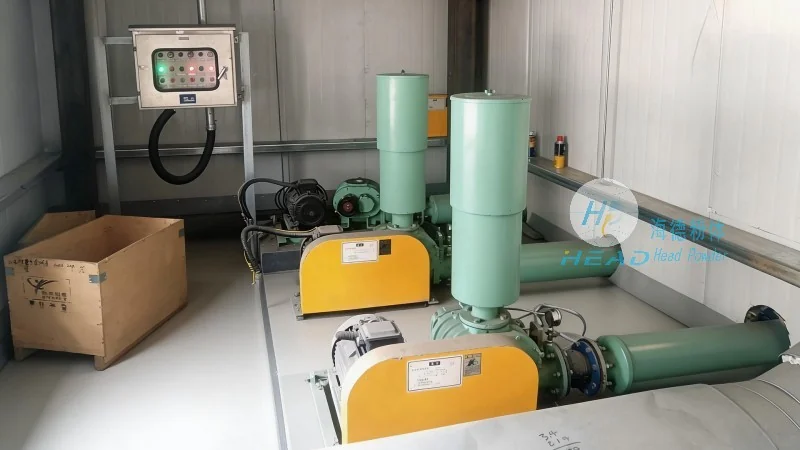
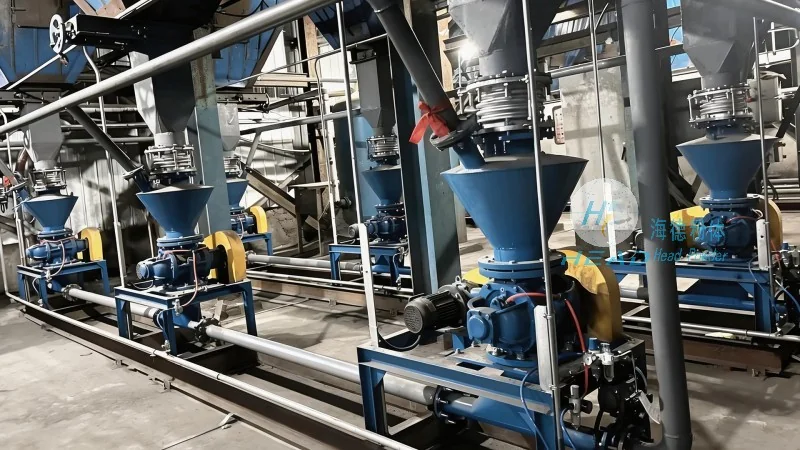
A typical kaolin material conveying line consists of several critical components that work in tandem to ensure smooth operation. The primary elements include feeders, conveyors, and control systems, each tailored to the specific characteristics of kaolin. Feeders are responsible for uniformly distributing the material into the conveying system, preventing overloading or uneven flow that could lead to blockages or equipment wear. Common feeder types for kaolin include rotary valves and vibratory feeders, which can handle the fine particles without causing excessive dust generation. Conveyors, such as belt conveyors or pneumatic conveying systems, are then used to transport the material to its destination. Belt conveyors are often preferred for horizontal or slight incline applications due to their simplicity and reliability, while pneumatic conveying systems are ideal for vertical or long-distance transport, as they can handle fine powders without the need for mechanical contact.
The Design Principles Behind Kaolin Material Conveying Systems
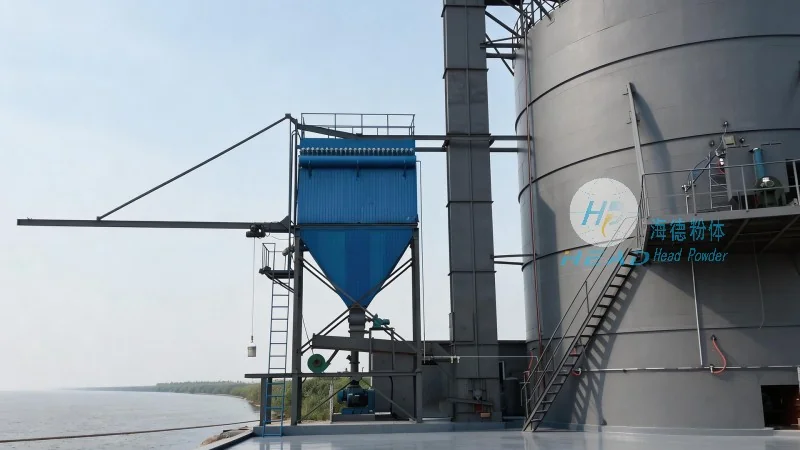
The design principles for kaolin material conveying lines are centered on maximizing efficiency, minimizing material loss, and ensuring operational safety. One of the key principles is the use of equipment that minimizes friction and wear, as kaolin particles can be abrasive over time. This often involves selecting materials for conveyor belts, hoppers, and other components that are resistant to abrasion, such as rubber or specialized plastics. Another critical principle is the prevention of dust generation and accumulation, which can pose health hazards and affect the quality of the final product. Enclosed systems and dust collection mechanisms are therefore integral to the design, ensuring that the material is contained and handled in a controlled environment. Additionally, the design must account for the flow characteristics of kaolin, which can vary based on moisture content and particle size. Properly sized hoppers and chutes are essential to maintain a consistent flow rate, preventing surges or stagnation that could lead to equipment failure.
Engineering Considerations for Optimal Performance
When designing a kaolin material conveying line, several engineering considerations must be taken into account to achieve optimal performance. One of the most important is the selection of the appropriate conveyor type based on the distance and elevation changes required. For short horizontal distances, belt conveyors may suffice, while for longer or vertical transport, pneumatic or bucket elevators are more suitable. The system must also be designed to handle variations in kaolin feed rate, ensuring that the conveying capacity matches the production needs without causing bottlenecks or overloading. This often involves incorporating variable speed drives and adjustable feeders that can be controlled based on real-time production demands. Furthermore, the design must consider the environmental impact and compliance with safety regulations, such as dust control measures and noise reduction. By addressing these engineering considerations, a well-designed kaolin material conveying line can operate efficiently, reliably, and safely, contributing to the overall productivity of the industrial process.
Applications and Benefits of Kaolin Material Conveying Lines
Kaolin material conveying lines are widely used in various industries, including ceramics, paper, and paint manufacturing, where kaolin is a critical raw material. The primary benefits of these systems include improved material handling efficiency, reduced labor costs, and enhanced product quality. By automating the material transport process, these lines minimize the risk of human error and ensure consistent material flow, which is crucial for maintaining product uniformity. Additionally, the enclosed design of many conveying systems helps to protect the material from contamination and moisture, preserving its quality and reducing waste. The use of specialized equipment also allows for better control over the material's moisture content and particle size distribution, which are key factors in determining the final product's properties. Overall, a well-designed kaolin material conveying line is a vital component of any industrial operation that relies on kaolin as a raw material, providing a reliable and efficient means of material transport.
Conclusion: The Importance of Proper Design and Implementation
In conclusion, a kaolin material conveying line is a sophisticated system that combines specialized equipment and engineering principles to efficiently transport kaolin material within an industrial setting. The design of such a system must address the unique properties of kaolin, including its fine particle size, low bulk density, and tendency to form clumps or dust. By incorporating components like feeders, conveyors, and dust control mechanisms, and adhering to design principles focused on efficiency, safety, and material protection, these systems can operate reliably and effectively. The benefits of using a well-designed kaolin material conveying line extend beyond mere material transport, contributing to improved production efficiency, product quality, and overall operational safety. For industries that rely on kaolin as a key raw material, investing in a properly engineered conveying system is essential for maintaining competitiveness and ensuring long-term success.




