Efficient material handling is a critical aspect of modern industrial operations, particularly when dealing with fine powders and granular materials like quartz sand. Pneumatic conveying systems offer a versatile and effective solution for transporting such materials over short to medium distances, ensuring minimal dust generation and operational efficiency. This article explores the principles and applications of quartz sand particle pneumatic conveying, highlighting how specialized equipment and engineering expertise can optimize the process for various industrial needs.
Understanding Pneumatic Conveying Systems
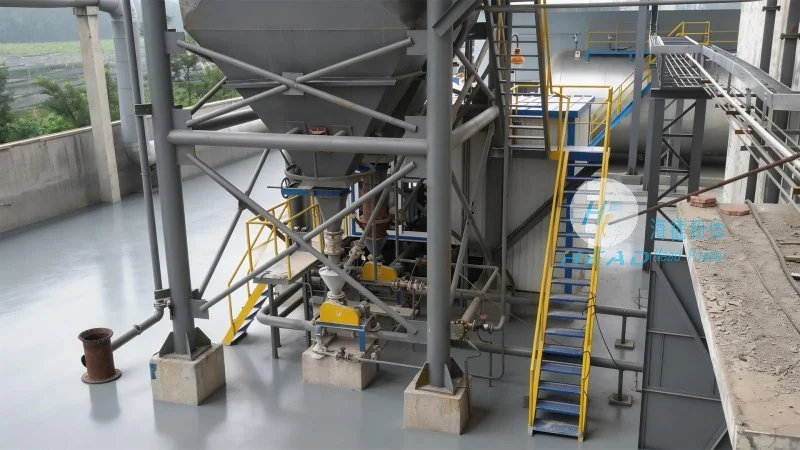
Pneumatic conveying, also known as air conveying, is a method of transporting bulk materials through a pipeline using a stream of air. This technique is widely used in industries such as mining, construction, and manufacturing due to its ability to handle a wide range of particle sizes and densities. The core components of a pneumatic conveying system typically include a material feed hopper, a conveying line, a pressure or vacuum source, and a discharge unit. The system can operate under either positive pressure (where air is forced through the line) or negative pressure (where air is drawn through the line), each with its own advantages depending on the application.
Key Considerations for Quartz Sand Pneumatic Conveying
When it comes to transporting quartz sand particles, several factors must be considered to ensure optimal performance. The size and shape of the sand particles, their density, and the desired conveying distance all play a role in determining the most suitable system design. For instance, fine quartz sand may require a higher air velocity to prevent clogging, while larger granules might benefit from a lower velocity to reduce wear on the system components. Additionally, the presence of moisture in the sand can affect the material's flow characteristics and the system's efficiency, necessitating proper drying or moisture control measures.
HeadPowder's Expertise in Quartz Sand Conveying Solutions
Shandong HeadPowder Engineering Co., Ltd., a leading provider of material handling solutions, specializes in designing and manufacturing customized pneumatic conveying systems tailored to the unique requirements of quartz sand applications. With years of experience in the industry, HeadPowder understands the challenges associated with handling abrasive and abrasive materials like quartz sand and has developed advanced technologies to address them. The company's engineers work closely with clients to assess their specific needs, from initial material analysis to final system installation and commissioning.
Components and Technology in Quartz Sand Pneumatic Conveying
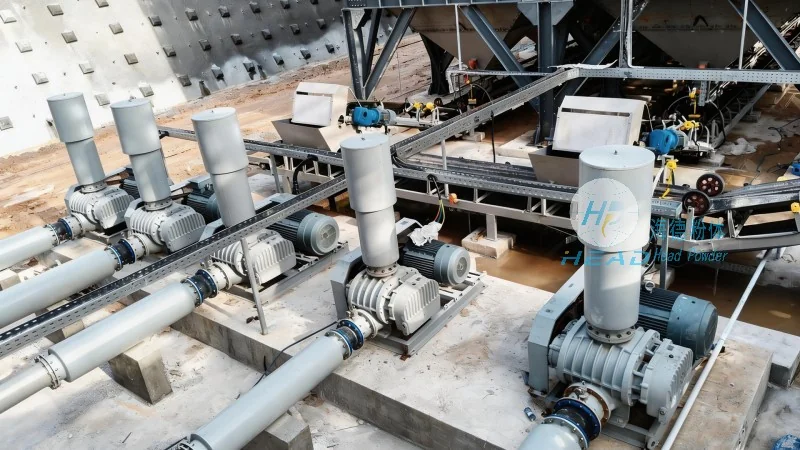
The effectiveness of a quartz sand pneumatic conveying system depends on the quality and design of its components. Key elements include the material feed hopper, which ensures a consistent flow of sand into the conveying line, and the air compressor or vacuum pump, which provides the necessary pressure or suction. The conveying line itself is typically made of durable materials such as stainless steel or high-grade plastic to withstand the abrasive nature of quartz sand and prevent corrosion. Advanced control systems are also integrated into modern systems to monitor and adjust air pressure, flow rate, and material feed, ensuring stable and efficient operation.
Benefits of Using Pneumatic Conveying for Quartz Sand
Implementing a pneumatic conveying system for quartz sand offers numerous benefits over traditional methods such as belt conveyors or bucket elevators. One of the primary advantages is the reduction in dust generation, which improves workplace safety and environmental compliance. Additionally, pneumatic systems can handle materials with high moisture content and prevent material degradation during transport. The ability to transport materials vertically and horizontally with minimal space requirements also makes them ideal for facilities with limited floor space. Furthermore, the flexibility of pneumatic conveying allows for easy integration with other processing equipment, streamlining the overall production process.
Application Examples in Industrial Settings
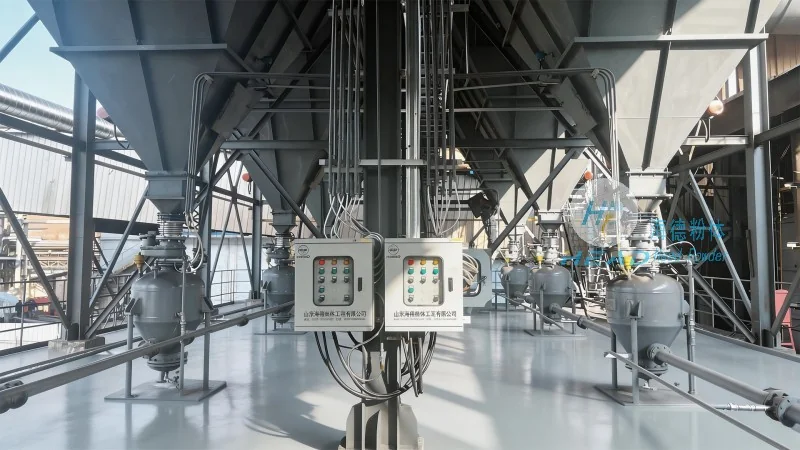
Quartz sand, a common raw material in industries such as glass manufacturing, foundry, and construction, is often transported using pneumatic conveying systems. For example, in a glass factory, quartz sand is conveyed from storage silos to the melting furnace, where it is mixed with other raw materials to produce glass. The system must be capable of handling large volumes of sand at high speeds while maintaining consistent particle size distribution. In foundries, quartz sand is used as a refractory material and is conveyed to the molding equipment to ensure uniform distribution. The efficiency of the conveying system directly impacts the quality of the final product, making it essential to choose a reliable and well-designed solution.
Maintenance and Operational Tips for Quartz Sand Pneumatic Systems
To ensure the long-term performance and reliability of a quartz sand pneumatic conveying system, regular maintenance is crucial. This includes inspecting and cleaning the conveying line and components to prevent clogging and wear, checking the air compressor or vacuum pump for proper operation, and monitoring the material feed to avoid overloading. Proper lubrication of moving parts and regular replacement of filters are also important to maintain system efficiency. Additionally, training operators on the proper use and maintenance of the system can help prevent issues and extend its lifespan. By following these best practices, industrial facilities can maximize the benefits of pneumatic conveying and minimize downtime.




