Efficient material handling is a critical aspect of industrial operations, particularly when dealing with bulk powders like carbon additives. Pneumatic conveying offers a versatile and effective solution for transporting these materials from one location to another. This method utilizes air flow to move powder particles through a pipeline system, eliminating the need for mechanical components such as belts or buckets. The process is widely adopted in industries that require precise and controlled movement of fine powders, including metallurgy, foundries, and chemical manufacturing.
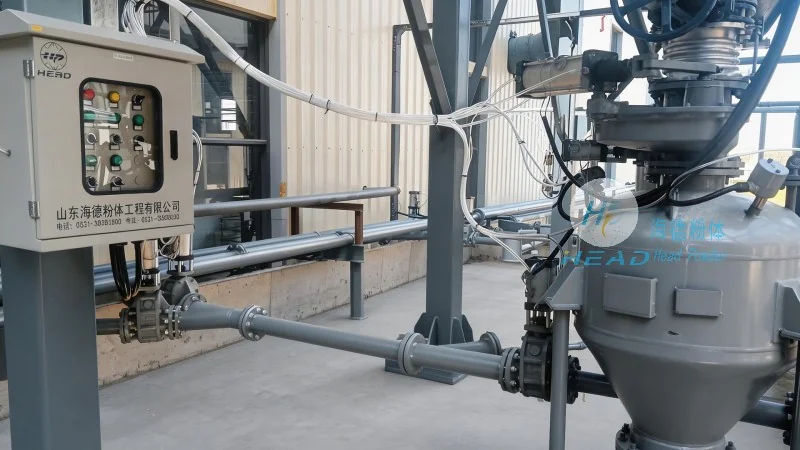
Understanding Pneumatic Conveying Systems for Carbon Additives
Pneumatic conveying systems for carbon additives typically consist of several key components. These include a material feed hopper, a conveyor line (often made of stainless steel or other corrosion-resistant materials), a pressure or vacuum source, and a receiver or discharge unit. The system can operate under either positive pressure or negative pressure, depending on the specific requirements of the application. Positive pressure systems use a blower to push air and powder through the line, while negative pressure systems use a vacuum to draw the material. Each configuration has its advantages, with positive pressure systems generally being more suitable for long-distance or high-capacity transport, and negative pressure systems better for short-distance or low-volume applications.
Key Factors Influencing the Efficiency of Carbon Additive Pneumatic Conveying
The efficiency of pneumatic conveying for carbon additives is influenced by several factors. Particle size and density are crucial, as larger or denser particles may require higher air velocities to maintain flow. The moisture content of the powder also plays a role, as excessive moisture can cause caking or blockages in the system. Proper system design, including the selection of appropriate pipe diameters and air velocities, is essential to prevent material degradation or system damage. Additionally, the choice of air source and filtration system is vital to ensure clean air and prevent contamination of the carbon additive.
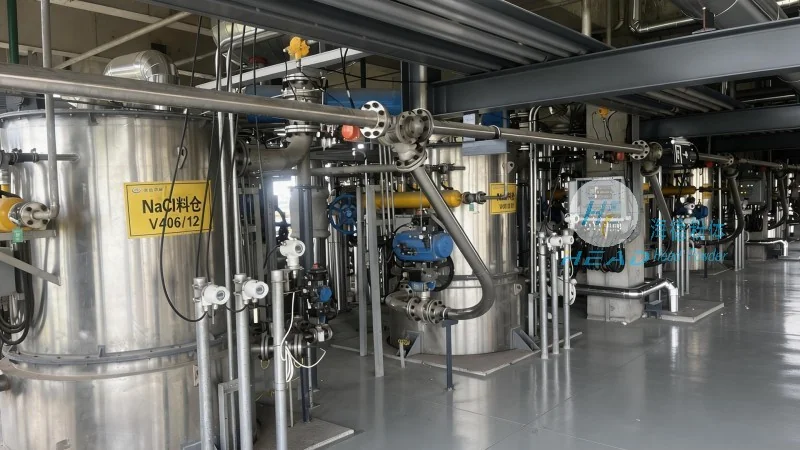
Applications of Pneumatic Conveying in Carbon Additive Handling
Pneumatic conveying is widely used in various applications involving carbon additives. In metallurgical processes, it is used to transport carbon black or other carbon-based powders to furnaces or reactors. In foundries, it helps in delivering carbon additives to molding lines for improving the properties of castings. The method is also employed in chemical manufacturing for the transfer of carbon-based catalysts or additives in production lines. The ability to handle fine powders without segregation or loss makes pneumatic conveying an ideal choice for these applications.
Advantages of Using Pneumatic Conveying for Carbon Additive Transport
There are several advantages to employing pneumatic conveying for carbon additive transport. One of the primary benefits is the ability to handle fine powders without the need for mechanical handling equipment, which can reduce maintenance costs and operational downtime. The system also provides better control over the material flow, ensuring consistent delivery rates. Additionally, pneumatic conveying can be integrated with other processing equipment, such as mixers or reactors, to create a seamless production line. The method is also more hygienic and cleaner compared to traditional methods, as it minimizes dust exposure and contamination.
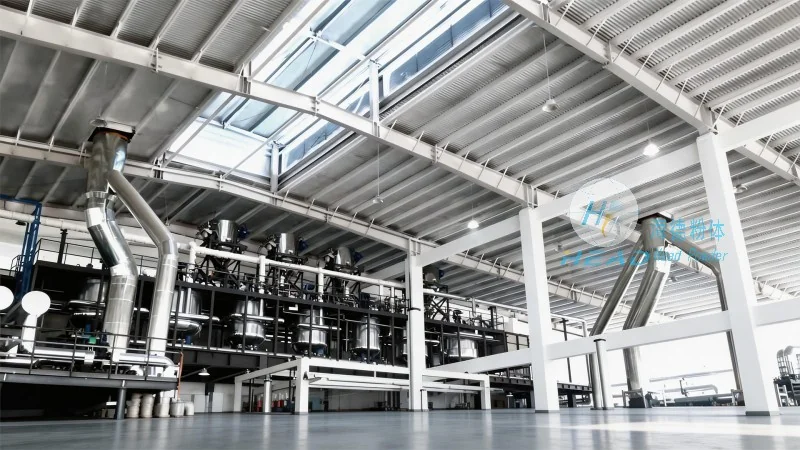
Challenges and Solutions in Carbon Additive Pneumatic Conveying
Despite its benefits, pneumatic conveying of carbon additives may present some challenges. One common issue is the risk of material blockages or clogging in the pipeline, especially with cohesive or moisture-rich powders. This can be mitigated by using appropriate pipe diameters, maintaining proper air velocities, and incorporating anti-caking agents or moisture control measures. Another challenge is the potential for particle degradation due to high air velocities or prolonged exposure to air. To address this, the system can be designed with lower air velocities and appropriate filtration to protect the material quality. Regular maintenance and monitoring of the system are also essential to ensure optimal performance and prevent issues.
HeadPowder: Expert in Pneumatic Conveying Solutions for Carbon Additives
Shandong HeadPowder Engineering Co., Ltd., commonly known as HeadPowder, is a leading provider of pneumatic conveying solutions tailored for carbon additive applications. With a strong presence in China, particularly in Shandong, the company specializes in designing and manufacturing customized conveying systems that meet the specific needs of its clients. HeadPowder's expertise lies in understanding the unique properties of carbon additives and tailoring the conveying system to ensure efficient and reliable transport. The company's products are known for their durability, efficiency, and ability to handle a wide range of powder characteristics. By leveraging advanced engineering and material science, HeadPowder delivers solutions that enhance the productivity and safety of industrial operations.




