

What is Plastic Powder Material Handling? And What Are Its Design Principles?
Plastic powder material handling refers to the processes and technologies used to transport, store, and manage plastic powders in industrial settings. This involves a range of equipment and systems designed to ensure efficient, safe, and consistent handling of plastic powders, which are essential raw materials in various manufacturing processes. The proper handling of plastic powders is crucial for maintaining product quality, optimizing production efficiency, and ensuring workplace safety. For example, in the plastics manufacturing industry, the quality of the final product is directly influenced by how well the plastic powder is handled during processing. Inadequate handling can lead to contamination, inconsistent flow rates, and increased risk of accidents, all of which can negatively impact production output and product integrity.
Understanding Material Handling Systems for Plastic Powders
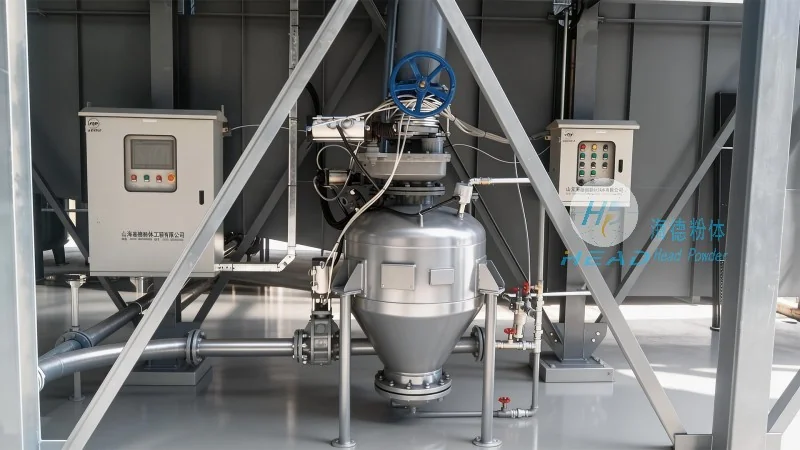
Material handling systems for plastic powders typically include conveyor systems, pneumatic conveying equipment, storage silos, and feeding mechanisms. These systems are engineered to handle the unique properties of plastic powders, such as their fine particle size, potential for static charge, and varying flow characteristics. The goal is to minimize material loss, prevent contamination, and ensure smooth material flow from storage to processing equipment. For instance, screw conveyors are commonly used for horizontal transport due to their ability to handle powders with minimal segregation. Pneumatic conveying systems, on the other hand, are ideal for long-distance or vertical transport, as they can move powders through pipes without the need for mechanical parts that might cause wear or blockages.
Key Design Principles for Efficient Plastic Powder Transport
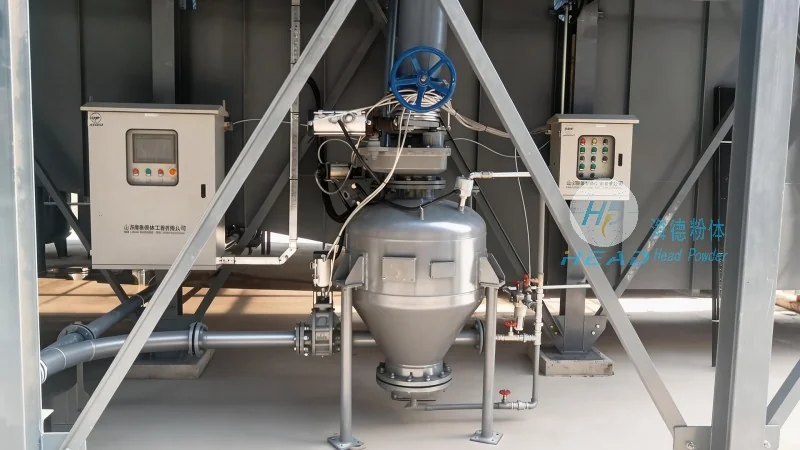
Efficient plastic powder transport relies on several key design principles. First, the system must address the challenges of plastic powder flow, including issues like bridging, rat-holing, and segregation. Engineers design equipment with appropriate hopper angles, vibrators, and air knives to promote uniform flow. For example, a hopper with a 60-degree angle is often used to prevent bridging, while vibrators can be added to break up any agglomerates. Second, material handling systems must consider the potential for static electricity, which can cause powder accumulation and spark hazards. Anti-static measures, such as grounding and ionizers, are integrated into the design to mitigate these risks. Third, the system should be scalable and adaptable to accommodate changes in production volume or powder types. This flexibility allows manufacturers to adjust their handling systems as their production needs evolve, ensuring long-term efficiency.
Components and Technologies in Plastic Powder Handling Equipment
Plastic powder handling equipment includes a variety of components that work together to ensure effective material transport. Conveyors, such as screw conveyors or belt conveyors, are commonly used for horizontal or inclined transport. Screw conveyors are particularly effective for handling powders with high moisture content or those that tend to stick together, as the rotating screw can break up clumps and maintain a consistent flow. Belt conveyors, on the other hand, are ideal for transporting larger quantities of powder over longer distances. Pneumatic conveying systems, which use air to move powders through pipes, are ideal for long-distance or vertical transport. These systems can be either positive or negative pressure, depending on the application. Storage silos and hoppers are designed with smooth, non-stick surfaces to prevent powder buildup and ensure easy discharge. The use of materials like stainless steel or polyethylene helps to prevent corrosion and maintain the purity of the plastic powder. Feeding devices, like rotary valves or vibratory feeders, control the flow rate of plastic powders to downstream equipment. Rotary valves are commonly used for precise control of flow rates, while vibratory feeders are effective for handling powders that are prone to bridging.
Applications and Industries Benefiting from Plastic Powder Handling Solutions
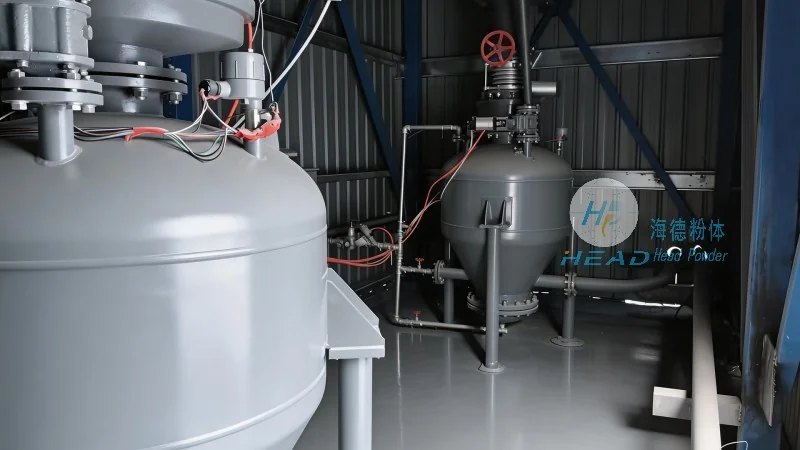
Plastic powder handling solutions are widely used in industries that rely on plastic powders as raw materials. These include the plastics manufacturing industry, where powders are processed into pellets or other forms. The automotive industry uses plastic powders for components like interior parts and exterior trim, as they offer lightweight and durable properties. The electronics industry incorporates plastic powders into housings and casings, providing a combination of strength and electrical insulation. The construction industry utilizes plastic powders in composite materials for building applications, such as reinforcement in concrete or insulation panels. Each of these industries benefits from efficient material handling systems that ensure consistent powder quality and minimize downtime. For example, in the automotive industry, a slight variation in powder flow can affect the quality of the final part, making reliable material handling systems critical to maintaining product standards.