

What is Sheet Material Conveying? And What Are Its Design Principles?
Sheet material conveying systems are integral to modern industrial operations, facilitating the efficient movement of flat, sheet-like materials through various production stages. These systems are designed to handle materials such as paper, cardboard, metal sheets, and other flat products, ensuring smooth and reliable transport from one process to another. Understanding the core concepts and design principles behind these systems is crucial for optimizing workflow, enhancing productivity, and maintaining material integrity throughout the manufacturing process.
Key Components of Sheet Material Conveying Systems
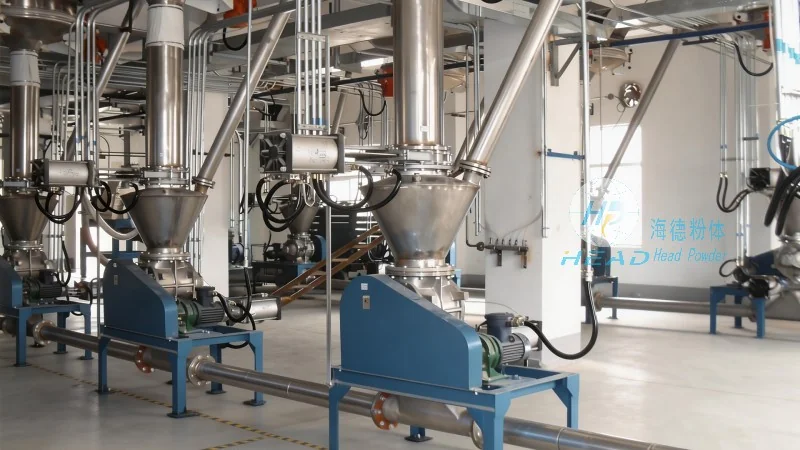
At the heart of any sheet material conveying system are several critical components that work in tandem to achieve effective material transport. These components include conveyors, feeders, guides, and control mechanisms. Conveyors, often in the form of belt or roller systems, provide the primary means of moving materials. Feeders are used to distribute materials evenly onto the conveyor, preventing jams and ensuring consistent flow. Guides and dividers help maintain the alignment of sheets, preventing them from overlapping or shifting during transport. Control systems, typically integrated with sensors and automation technology, monitor the conveyor's operation, adjust speed as needed, and detect any anomalies that could disrupt the process.
Design Principles for Efficient Sheet Material Conveying
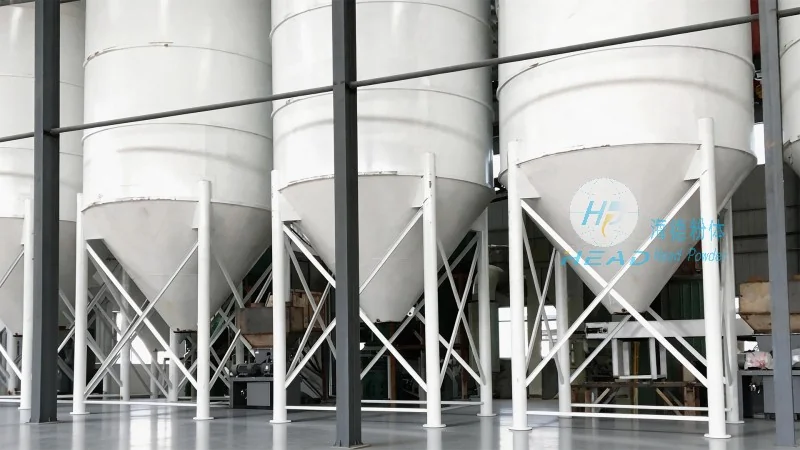
The design of sheet material conveying systems follows several key principles aimed at maximizing efficiency and reliability. One of the primary principles is ensuring proper material alignment and spacing. This is achieved through the use of adjustable guides and rollers that maintain the sheet's position throughout the conveying process. Another critical principle is the selection of appropriate conveyor types based on the material's properties and the required transport distance. For example, belt conveyors are ideal for lightweight materials, while roller conveyors are better suited for heavier or more rigid sheets. The design also considers the need for minimal friction and wear, as excessive friction can damage delicate materials or reduce the system's lifespan. Additionally, the integration of safety features, such as emergency stop buttons and protective guards, is essential to prevent accidents and ensure compliance with industrial safety standards.
Applications and Industries Utilizing Sheet Material Conveying
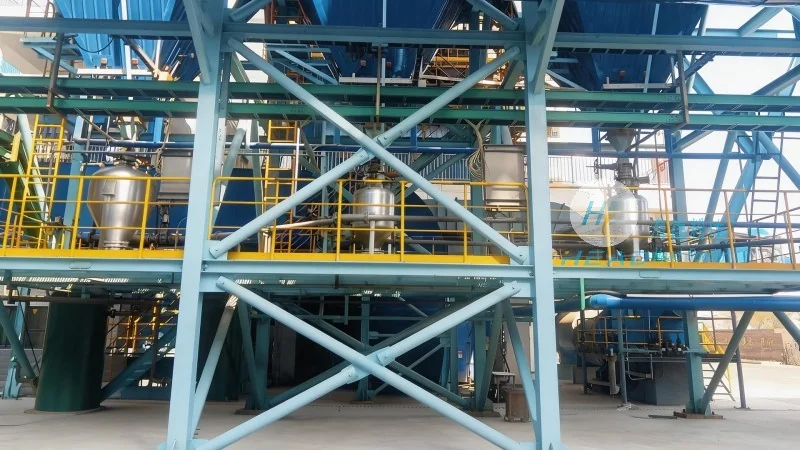
Sheet material conveying systems are widely used across various industries, including manufacturing, packaging, and printing. In the manufacturing sector, these systems are used to transport metal sheets for assembly lines, ensuring that components are delivered to the correct workstations in a timely manner. In the packaging industry, they are essential for moving cardboard sheets to packaging machines, enabling efficient box formation and sealing. The printing industry also relies on sheet material conveyors to transport paper sheets through printing presses, ensuring consistent and high-quality output. Each application requires a customized design to meet specific operational needs, such as speed, load capacity, and material compatibility.
Advantages of Professional Sheet Material Conveying Solutions
Companies like Shandong HeadPowder Engineering Co., Ltd. specialize in designing and manufacturing high-quality sheet material conveying systems tailored to the unique needs of their clients. These solutions offer several advantages over standard, off-the-shelf systems. Customization is a key benefit, as the systems can be tailored to handle specific material types, sizes, and production volumes. This ensures optimal performance and minimal downtime. Additionally, professional solutions often include advanced features such as automated controls, real-time monitoring, and predictive maintenance, which help to reduce operational costs and extend the system's lifespan. The expertise of companies like HeadPowder in material handling and conveyor technology ensures that their designs are both efficient and reliable, providing long-term value to their clients.
Conclusion: The Importance of Well-Designed Sheet Material Conveying Systems
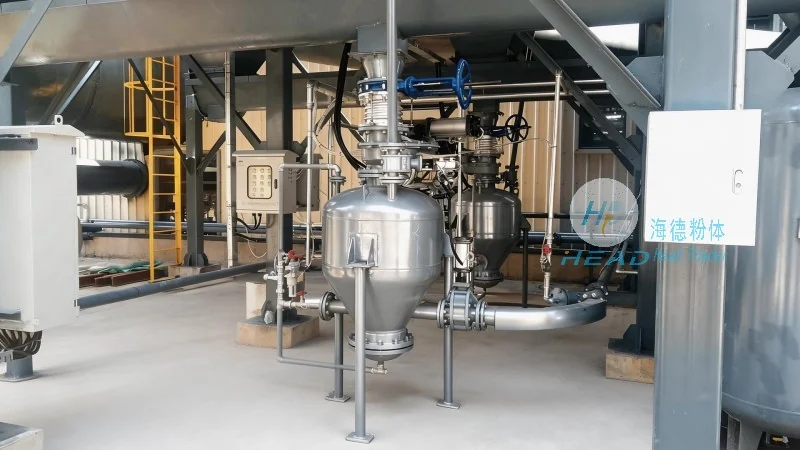
In conclusion, sheet material conveying systems play a vital role in modern industrial operations, enabling the efficient and reliable transport of flat materials. The design principles behind these systems, including proper alignment, material compatibility, and safety features, are critical to their effectiveness. By investing in well-designed and professionally manufactured conveying solutions, companies can enhance their productivity, reduce costs, and maintain the quality of their materials. As a leading provider in the industry, Shandong HeadPowder Engineering Co., Ltd. offers expert solutions that meet the diverse needs of various industries, ensuring that businesses can achieve their operational goals with confidence.