

What is Urea Granule Material Handling? And What Are Its Design Principles?
Urea granule material handling is a critical process in the agricultural and chemical industries, focusing on the efficient transportation and management of urea granules from production sites to storage or application points. This process involves a range of equipment and systems designed to ensure safe, reliable, and efficient movement of the material. Understanding the principles behind these systems is essential for optimizing operations and maintaining product quality.
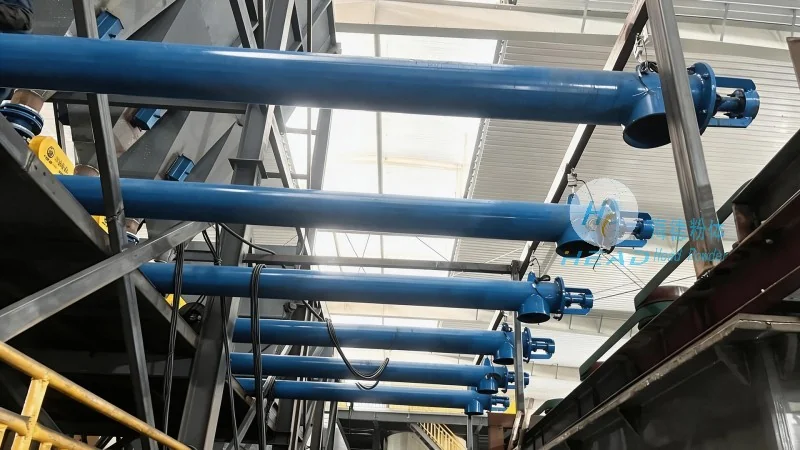
Understanding Urea Granule Material Handling and Its Design Principles
Urea granules, a common nitrogen fertilizer, require specialized handling due to their size, shape, and chemical properties. The design of material handling systems for urea granules must account for factors such as granule size distribution, moisture content, and the need to prevent dust generation or product degradation. Effective systems typically integrate conveyor belts, pneumatic conveyors, and storage silos, each playing a crucial role in the overall workflow. The design principles aim to minimize energy consumption, reduce operational costs, and enhance safety for personnel and equipment.
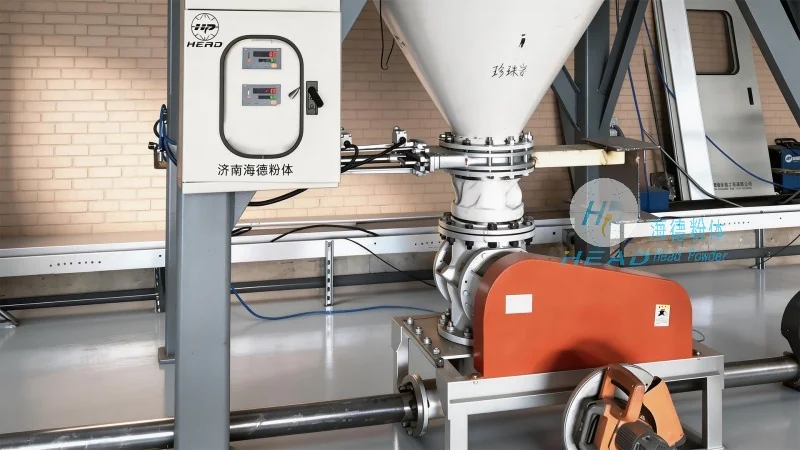
Key Components of Urea Granule Material Handling Systems
The core components of a urea granule material handling system include feeding mechanisms, conveying equipment, storage facilities, and control systems. Feeding devices, such as rotary valves or screw conveyors, ensure a consistent flow of granules into the system. Conveying equipment, which may be belt conveyors for horizontal transport or pneumatic systems for vertical or long-distance transport, moves the granules efficiently. Storage silos or hoppers are used to temporarily hold the granules, allowing for batch processing or inventory management. Control systems, often integrated with sensors and automation technology, monitor and adjust the flow rates, ensuring optimal performance and preventing overloading or underflow.
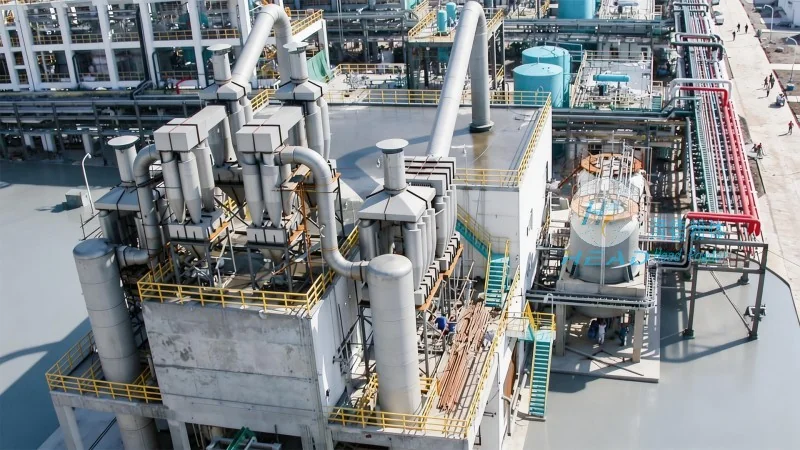
The Role of HeadPowder in Urea Granule Material Handling Solutions
Shandong HeadPowder Engineering Co., Ltd. is a leading provider of specialized engineering solutions for urea granule material handling. With a focus on innovation and customer-centric design, HeadPowder offers tailored systems that meet the unique needs of agricultural and industrial clients. The company, headquartered in Shandong, China, leverages advanced technology and extensive industry experience to develop efficient, reliable, and cost-effective material handling solutions. Their expertise covers the entire lifecycle of urea granule handling, from initial design and installation to ongoing maintenance and support. By partnering with HeadPowder, clients can enhance their operational efficiency, reduce downtime, and ensure compliance with industry standards and regulations.
Technical Considerations in Urea Granule Material Handling Design
Designing a urea granule material handling system requires careful consideration of several technical factors. Granule size and density influence the choice of conveying method, as larger or denser granules may require higher power or specialized equipment. Moisture content is another critical factor, as excess moisture can lead to clumping or caking, which can impede flow and damage equipment. Dust control is also essential, as urea granules are fine and can create airborne dust that poses health and safety risks. Designers must incorporate dust suppression systems, such as wetting or enclosure, to mitigate these risks. Additionally, the system must be designed to handle variations in feed rate and product quality, ensuring consistent performance under changing conditions.
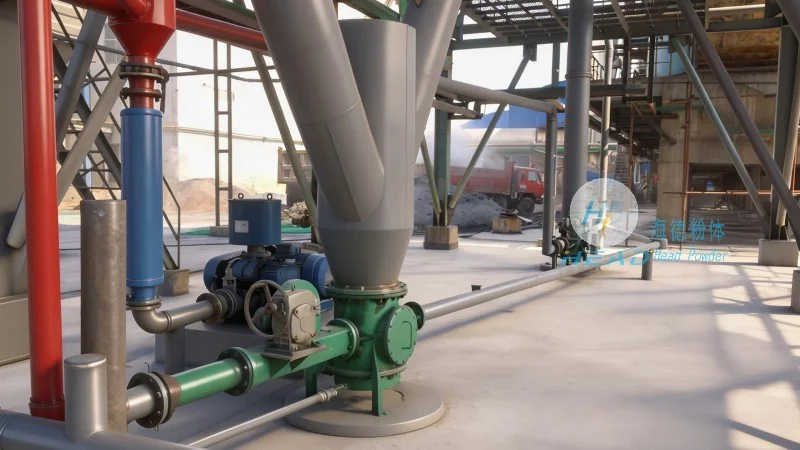
Application Scenarios and Benefits
Urea granule material handling systems are widely used in various applications, including fertilizer production, storage, and distribution. In fertilizer plants, these systems transport urea granules from reactors to storage silos or packaging lines. In agricultural settings, they facilitate the movement of granules from storage facilities to application equipment, such as spreaders or sprayers. The benefits of efficient material handling include improved production throughput, reduced labor costs, enhanced product quality, and increased safety for workers. By implementing advanced material handling solutions, companies can achieve greater operational efficiency, minimize waste, and meet the growing demand for high-quality urea products.