When it comes to managing the handling and transportation of barium sulfate in industrial processes, selecting the appropriate pneumatic conveying system is crucial for efficiency, safety, and cost-effectiveness. Barium sulfate, a white crystalline powder commonly used in various industries such as pharmaceuticals, ceramics, and coatings, requires specialized equipment to ensure reliable and safe material transfer. This article aims to guide you through the key considerations and factors to evaluate when choosing a pneumatic conveying system tailored to your barium sulfate processing needs.
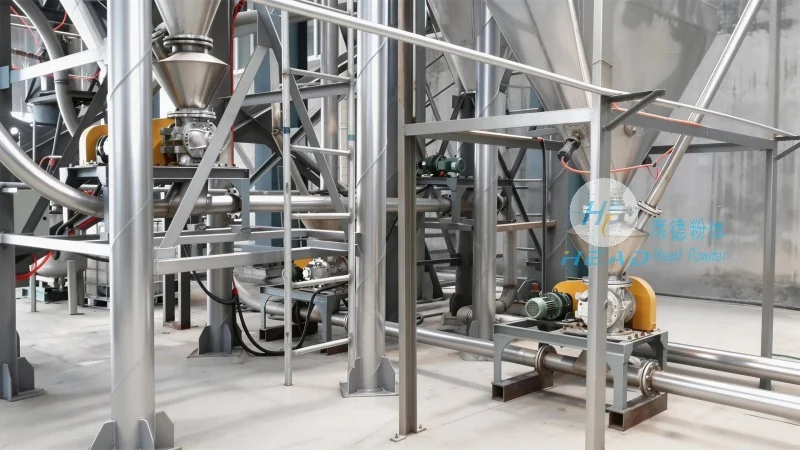
Understanding the Importance of Pneumatic Conveying for Barium Sulfate
Barium sulfate is a fine powder with specific properties that influence the choice of conveying method. Its density, flowability, and potential for dust generation are critical factors that affect system performance. Traditional methods like belt conveyors or bucket elevators may not be suitable due to the material's characteristics, as they can lead to product degradation, increased maintenance, or safety hazards. Pneumatic conveying systems offer a more controlled and efficient way to move barium sulfate, minimizing product contamination and ensuring consistent flow rates.
Key Factors to Consider When Selecting a Pneumatic Conveying System
Several key factors must be evaluated when choosing a pneumatic conveying system for barium sulfate. The first consideration is the system's capacity and flow rate requirements. The amount of barium sulfate that needs to be transported per hour or per batch will determine the size and type of equipment needed. Additionally, the distance between the source and destination points is a critical factor, as it influences the choice between positive pressure, negative pressure, or a combination of both. The layout of the facility and the existing infrastructure also play a role in determining the most suitable system configuration.
Another important factor is the material's properties, particularly its dustiness and abrasiveness. Barium sulfate can be a fine powder that easily generates dust, which poses health and safety risks. Therefore, the system must include proper dust collection and filtration to ensure compliance with environmental regulations and protect personnel. The system's design should also account for the material's potential to cause wear on components, requiring durable materials like stainless steel or specialized coatings to extend the equipment's lifespan.
Types of Pneumatic Conveying Systems for Barium Sulfate
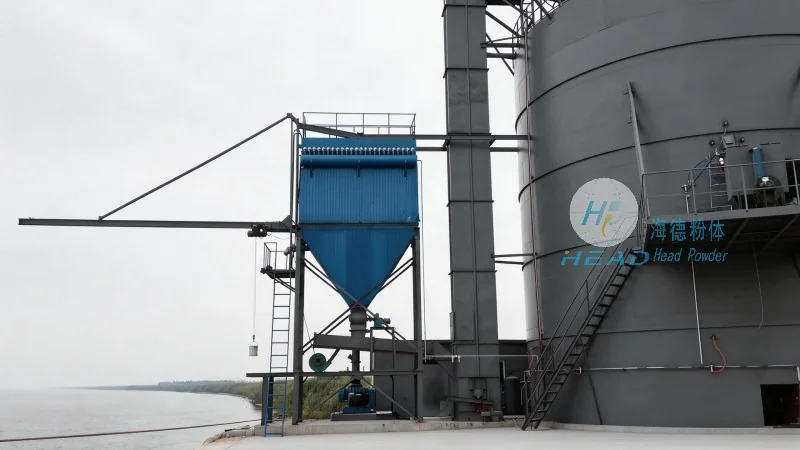
There are primarily two types of pneumatic conveying systems used for handling barium sulfate: positive pressure and negative pressure systems. Positive pressure systems use a blower or compressor to push air and material through the system, making them suitable for long-distance or high-capacity applications. These systems are often preferred for barium sulfate due to their ability to handle fine powders and maintain consistent flow rates. Negative pressure systems, on the other hand, use a vacuum to draw material into the system, which is ideal for short-distance or low-volume applications where dust containment is a priority.
Within these categories, there are various subtypes, such as dilute phase and dense phase systems. Dilute phase systems use low air-to-material ratios, moving material in a suspended state, which is efficient for long distances but may require larger ducts. Dense phase systems, also known as plenum or low velocity systems, use higher air-to-material ratios, moving material in a slurry-like state, which is better for handling abrasive or sensitive materials like barium sulfate. The choice between these subtypes depends on the specific requirements of the barium sulfate handling process, including the distance, capacity, and material characteristics.
Design and Installation Considerations for Barium Sulfate Pneumatic Conveying
The design and installation of a pneumatic conveying system for barium sulfate must be carefully planned to ensure optimal performance and longevity. Proper duct sizing is essential to maintain the desired air velocity and prevent material settling or blockages. The system should include appropriate fittings, such as elbows, bends, and transitions, to minimize pressure losses and maintain flow efficiency. Additionally, the use of high-quality materials, such as stainless steel or corrosion-resistant alloys, is crucial to withstand the abrasive nature of barium sulfate and prevent system degradation over time.
Installation considerations also include the integration of dust collection and filtration systems to comply with environmental regulations and protect the workplace. The system should be designed to minimize dust emissions at all points, including the source, transfer points, and discharge. Proper maintenance procedures, such as regular cleaning and inspection of components, are also essential to ensure the system operates efficiently and safely over its lifespan.
Choosing the Right Partner for Your Barium Sulfate Pneumatic Conveying System
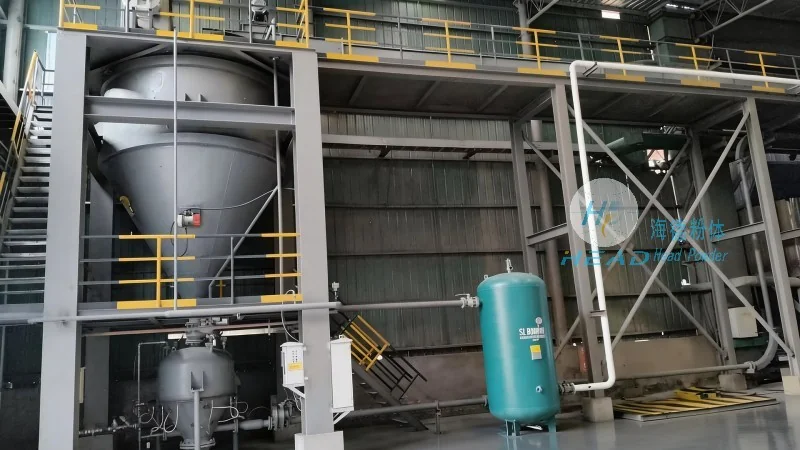
When selecting a pneumatic conveying system for barium sulfate, it is important to work with a partner who understands the unique challenges of handling this material. Shandong HeadPowder Engineering Co., Ltd., a leading provider of powder handling solutions, specializes in designing and manufacturing customized pneumatic conveying systems tailored to the specific needs of barium sulfate processing. With years of experience in the industry, HeadPowder offers comprehensive solutions that address the material's properties and the operational requirements of the facility.
HeadPowder's team of experts works closely with clients to assess their barium sulfate handling processes, identify potential challenges, and recommend the most suitable pneumatic conveying system. The company provides detailed engineering services, including system design, material selection, and installation support, ensuring that the final solution meets all safety, efficiency, and regulatory requirements. By partnering with HeadPowder, businesses can ensure that their barium sulfate transportation process is optimized for performance, reliability, and cost-effectiveness.
Whether you are looking to upgrade an existing system or install a new one, HeadPowder offers a range of solutions that cater to different capacity and distance requirements. The company's commitment to quality and customer satisfaction is reflected in its use of high-quality materials and rigorous testing procedures to ensure that each system meets the highest standards of performance and durability. With HeadPowder as your partner, you can trust that your barium sulfate pneumatic conveying system will be designed to handle the unique challenges of this material, providing reliable and efficient material transfer for years to come.




