Polystyrene, a widely used thermoplastic material, often requires efficient and reliable handling and transportation in industrial processes. The selection of an appropriate pneumatic conveying system is crucial for ensuring smooth operations, minimizing material degradation, and optimizing overall process efficiency. This article aims to guide industrial operators in selecting the most suitable pneumatic conveying system for their polystyrene handling needs, with a focus on practical considerations and technical aspects.
Understanding the Polystyrene Handling Challenges
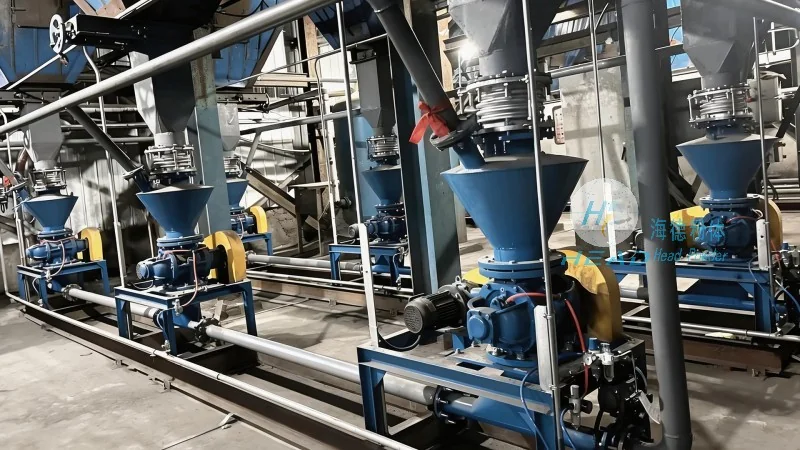
Polystyrene is known for its lightweight, low density, and sometimes abrasive properties, which can pose unique challenges during material handling. Traditional methods like belt conveyors or manual handling may not be efficient for large volumes or require frequent material transfers. Additionally, polystyrene can be sensitive to moisture and temperature changes, making it essential to use systems that maintain consistent conditions. The primary challenges include material segregation, dust generation, and the need for gentle handling to preserve product quality. These factors necessitate a specialized approach to material transport, where pneumatic conveying systems offer significant advantages.
Types of Pneumatic Conveying Systems for Polystyrene
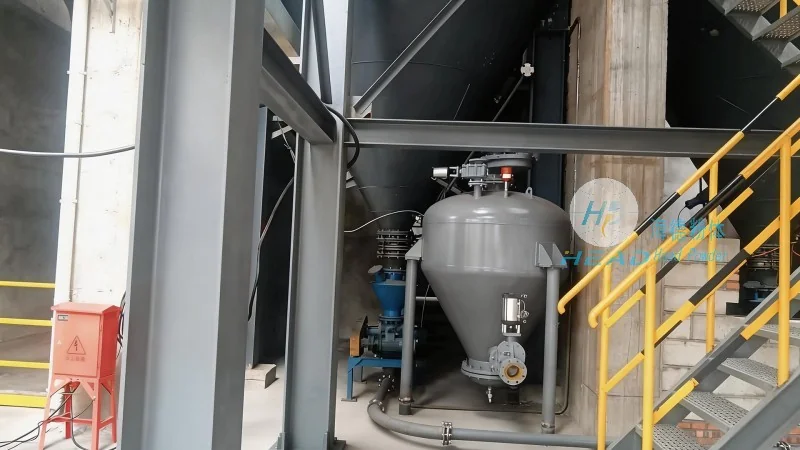
Several pneumatic conveying system types are available, each with distinct characteristics and applications. The most common types include pressure, vacuum, and pressure-vacuum systems. Pressure systems use compressed air to push material through a pipeline, while vacuum systems use suction to draw material. Pressure-vacuum systems combine both methods, offering flexibility for different transfer distances and material characteristics. For polystyrene, the choice often depends on factors such as the distance between the source and destination, the volume of material to be transported, and the need for gentle handling. For short distances and moderate volumes, pressure systems are often preferred due to their simplicity and efficiency. For longer distances or when handling delicate materials, vacuum or pressure-vacuum systems may be more suitable, as they provide gentler material movement and better control over the conveying process.
Key Factors to Consider When Selecting a System
When choosing a pneumatic conveying system for polystyrene, several key factors must be evaluated to ensure optimal performance. First, the material's physical properties, such as particle size, density, and flowability, are critical. Polystyrene particles can vary in size, and the system must be designed to handle these variations without clogging or loss of efficiency. Second, the required conveying distance and volume determine the system's capacity and pressure requirements. Longer distances typically require higher pressure or more robust vacuum systems to maintain material flow. Third, the need for gentle handling is essential to prevent product degradation. Systems that minimize impact and friction, such as low-pressure or vacuum systems, are often preferred for polystyrene, as they reduce the risk of breakage or surface damage. Fourth, the system's integration with existing infrastructure and process controls is important. Compatibility with existing equipment, such as hoppers, silos, and processing machinery, ensures seamless operation and reduces installation complexity. Finally, maintenance and operational costs should be considered, as regular maintenance and energy efficiency are key to long-term system performance.
HeadPowder Engineering's Expertise in Pneumatic Conveying Solutions
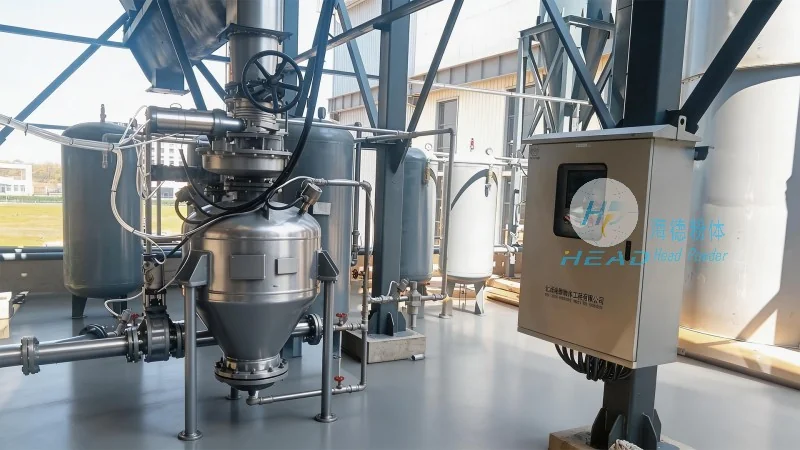
Shandong HeadPowder Engineering Co., Ltd., a leading provider of material handling solutions, specializes in designing and manufacturing customized pneumatic conveying systems tailored to the unique needs of polystyrene handling. With years of experience in the industry, HeadPowder has developed a deep understanding of the challenges associated with polystyrene and has engineered solutions that address these challenges effectively. The company's team of engineers and technicians work closely with clients to assess their specific requirements, including material characteristics, transfer distances, and operational constraints, to design systems that meet or exceed expectations. HeadPowder's systems are built with high-quality components, ensuring durability and reliability in demanding industrial environments. The company's commitment to innovation and customer satisfaction has made it a trusted partner for businesses seeking efficient and reliable polystyrene handling solutions.




