

Efficient and Clean High-Temperature Fly Ash Handling: An In-Depth Look at Pneumatic Conveying Techn
For industrial facilities dealing with high-temperature fly ash, selecting the right material handling solution is crucial for maintaining operational efficiency and ensuring environmental compliance. Traditional methods like belt conveyors or screw conveyors often face challenges when handling hot, abrasive, and potentially hazardous fly ash, leading to increased maintenance costs and operational downtime. This is where pneumatic conveying technology emerges as a superior, clean, and efficient solution for high-temperature fly ash transport. In this article, we delve into the benefits and applications of pneumatic conveying systems specifically designed for high-temperature fly ash, highlighting how they enhance process reliability and reduce environmental impact.
Understanding High-Temperature Fly Ash and Its Handling Challenges
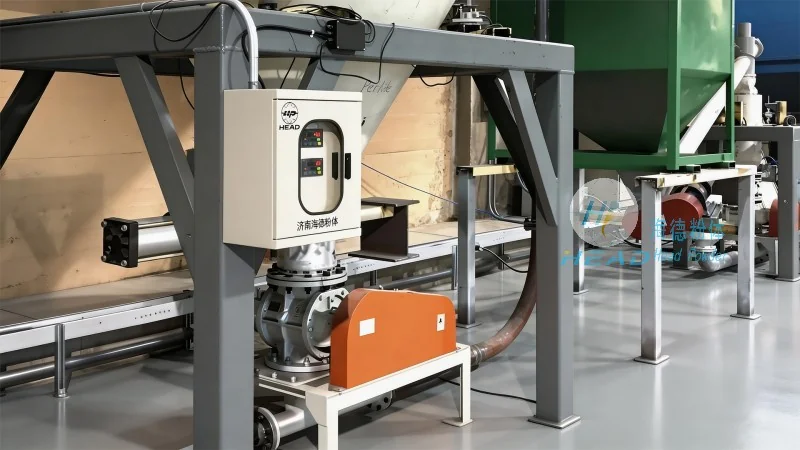
High-temperature fly ash, a byproduct of coal combustion in power plants and industrial furnaces, poses unique challenges due to its properties. It is typically hot, fine, and abrasive, with temperatures often exceeding 200°C. These characteristics make it difficult to handle using conventional mechanical equipment. Traditional methods such as belt conveyors can suffer from material buildup, increased wear and tear, and the risk of dust emissions, which not only reduce efficiency but also pose health and safety risks. Additionally, the high temperature of the ash can lead to thermal degradation of conveyor components, shortening their lifespan and increasing maintenance frequency. These challenges highlight the need for a more robust and specialized solution like pneumatic conveying.
Pneumatic Conveying Technology: The Ideal Solution for High-Temperature Fly Ash
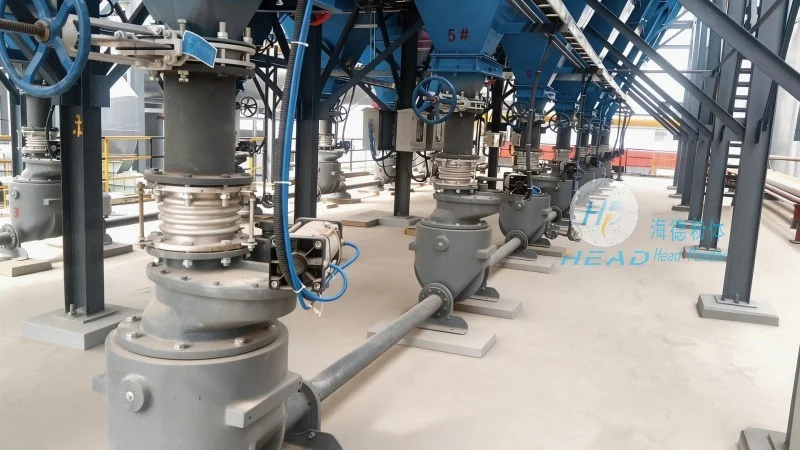
Pneumatic conveying systems utilize air or gas to transport bulk materials through a pipeline network. For high-temperature fly ash, this technology offers several advantages over mechanical conveying methods. First, it eliminates the need for physical contact between the material and the conveying equipment, reducing wear and tear and extending the lifespan of components. The absence of moving parts also minimizes the risk of material blockages and reduces the likelihood of dust emissions, making it a cleaner and more environmentally friendly option. Second, pneumatic conveying can handle materials at high temperatures without compromising the system's performance. The system's design, including insulated pipelines and specialized valves, ensures that the high-temperature fly ash is transported efficiently without causing thermal stress on the equipment. Third, the technology provides greater flexibility in terms of layout and routing, allowing for complex transport paths that adapt to the specific needs of industrial facilities. This flexibility is particularly valuable in power plants and industrial sites where space constraints and process integration are critical.
Key Components of a High-Temperature Pneumatic Conveying System
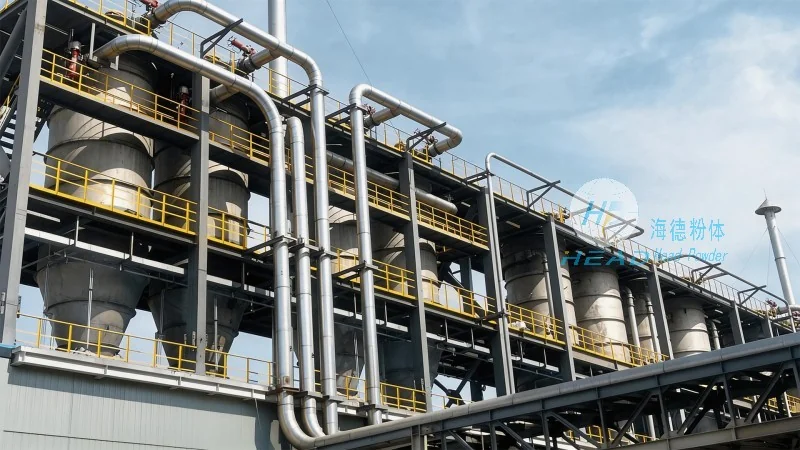
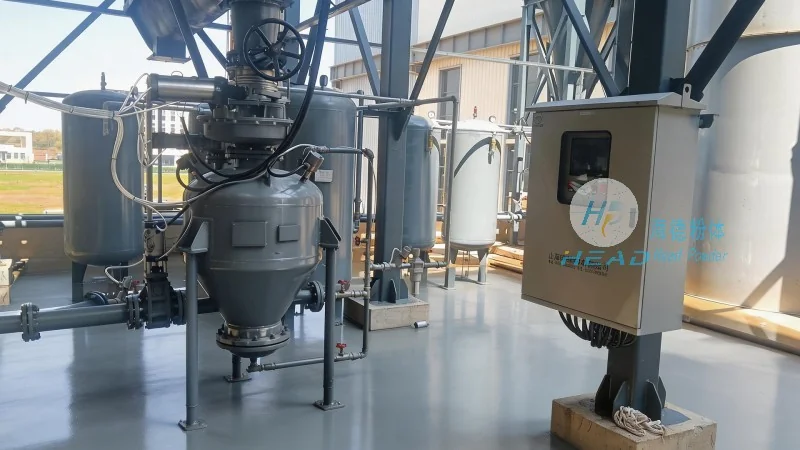
A high-temperature pneumatic conveying system consists of several key components that work together to ensure efficient and reliable transport of fly ash. The primary components include the material feed system, the conveying pipeline, the air or gas source, and the control system. The material feed system typically involves a hopper or a rotary valve that feeds the hot fly ash into the pipeline at a controlled rate. The conveying pipeline is made of materials with high thermal resistance, such as stainless steel or specialized alloys, to withstand the high temperatures of the ash. Insulation is often applied to the pipeline to minimize heat loss and maintain the temperature of the ash during transport. The air or gas source provides the necessary pressure to move the material through the pipeline, with the pressure level adjusted based on the distance and height of the transport. The control system monitors and regulates the flow of material and air, ensuring smooth operation and preventing issues like overpressure or material blockages. Additionally, specialized components such as check valves, filters, and dust collectors are included to maintain system efficiency and protect against contamination.
Benefits of Implementing Pneumatic Conveying for High-Temperature Fly Ash
The adoption of pneumatic conveying technology for high-temperature fly ash handling brings numerous benefits to industrial facilities. One of the most significant advantages is the improvement in operational efficiency. By eliminating the need for mechanical components that require regular maintenance, facilities can reduce downtime and increase overall productivity. The system's ability to handle high temperatures without degradation also means less frequent component replacement, leading to lower maintenance costs over time. Furthermore, the clean operation of pneumatic conveying reduces the risk of dust emissions, improving air quality and compliance with environmental regulations. This is particularly important for facilities located in populated areas or near sensitive ecosystems. Another benefit is the enhanced safety of the operation. The absence of moving parts reduces the risk of accidents related to mechanical failure, and the enclosed pipeline system minimizes the exposure of workers to hot and potentially hazardous materials. This improves workplace safety and reduces the risk of injuries or health issues associated with fly ash exposure. Finally, the flexibility of the system allows for easy integration with existing industrial processes, making it a cost-effective solution for upgrading or modernizing material handling systems.
Case Study: Successful Implementation by Shandong HeadPowder Engineering Co., Ltd.
Shandong HeadPowder Engineering Co., Ltd., a leading provider of industrial material handling solutions, has successfully implemented high-temperature pneumatic conveying systems for several power plants and industrial clients. One notable case involved a coal-fired power plant in Shandong, China, where the company installed a pneumatic conveying system to transport hot fly ash from the boiler to the storage silo. The system was designed to handle ash temperatures up to 250°C and transport it over a distance of 500 meters. The implementation resulted in a significant reduction in maintenance costs, as the system required less frequent component replacement compared to traditional belt conveyors. The plant also reported improved operational efficiency, with reduced downtime and increased throughput. The clean operation of the system minimized dust emissions, contributing to better air quality and compliance with local environmental regulations. The success of this project demonstrated the effectiveness of pneumatic conveying technology in handling high-temperature fly ash and its potential to deliver long-term benefits to industrial facilities.