

Cement Raw Material Pneumatic Conveying Solutions
For industrial operations in the cement sector, the efficient and reliable transport of raw materials is a critical factor that directly impacts production throughput and overall operational costs. Traditional methods such as belt conveyors or bucket elevators may face challenges like material degradation, high maintenance requirements, and limited flexibility in handling diverse raw materials. In response to these challenges, pneumatic conveying systems have emerged as a sophisticated solution that offers superior performance and adaptability. This article explores the comprehensive solutions provided by Shandong HeadPowder Engineering Co., Ltd., a leading provider in the field, focusing on the design, implementation, and benefits of pneumatic conveying systems tailored for cement raw materials.
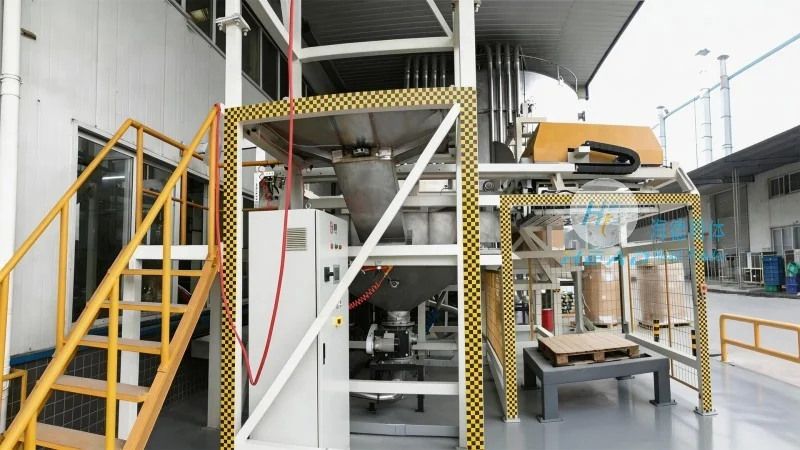
Key Features and Advantages of Pneumatic Conveying Solutions
HeadPowder's pneumatic conveying solutions are engineered to address the unique demands of cement raw material handling. The systems utilize air as the conveying medium, enabling the transport of powders and bulk materials through a network of pipes and components. This approach offers several distinct advantages over conventional methods. Firstly, it minimizes material degradation by reducing mechanical stress and exposure to external elements. Secondly, the enclosed system ensures better control over dust emissions, contributing to improved workplace safety and compliance with environmental regulations. Thirdly, pneumatic conveying systems provide flexibility in layout design, allowing for horizontal, vertical, or complex multi-directional transport paths that can be tailored to the specific layout of a cement plant. Additionally, these systems are capable of handling a wide range of raw materials, including limestone, clay, gypsum, and other additives, with consistent performance and minimal downtime.
Customized System Design and Engineering
At Shandong HeadPowder Engineering Co., Ltd., the design of pneumatic conveying systems is a highly customized process that considers the specific characteristics of the raw materials, production capacity, and operational environment. The company's engineering team conducts thorough assessments to determine the optimal conveying method—whether it's a pressure or vacuum system, the appropriate air velocity, and the required equipment specifications. This comprehensive approach ensures that the final system not only meets current operational needs but also accommodates future expansion and technological advancements. The design phase involves detailed calculations of material flow rates, pressure drops, and energy consumption, using advanced software and industry best practices to guarantee efficiency and reliability. HeadPowder's commitment to precision engineering ensures that each system is tailored to the client's unique requirements, resulting in a solution that maximizes performance while minimizing operational costs.
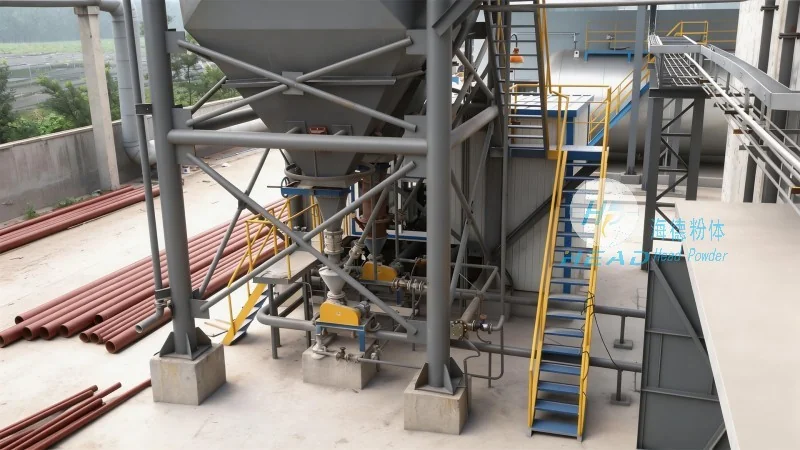
Installation, Commissioning, and After-Sales Support
HeadPowder provides end-to-end support for the implementation of pneumatic conveying systems, from initial installation to ongoing maintenance and technical support. The company's experienced installation teams are equipped with the necessary expertise and tools to handle the complexities of system setup, ensuring that all components are properly aligned, connected, and tested for optimal performance. Commissioning involves a series of tests to verify the system's functionality, including pressure tests, material flow tests, and performance evaluations. Once the system is operational, HeadPowder offers comprehensive after-sales support, including regular maintenance services, spare parts availability, and technical assistance for troubleshooting. This commitment to long-term partnership ensures that clients can rely on their pneumatic conveying systems for consistent and reliable operation, minimizing disruptions and maximizing productivity.
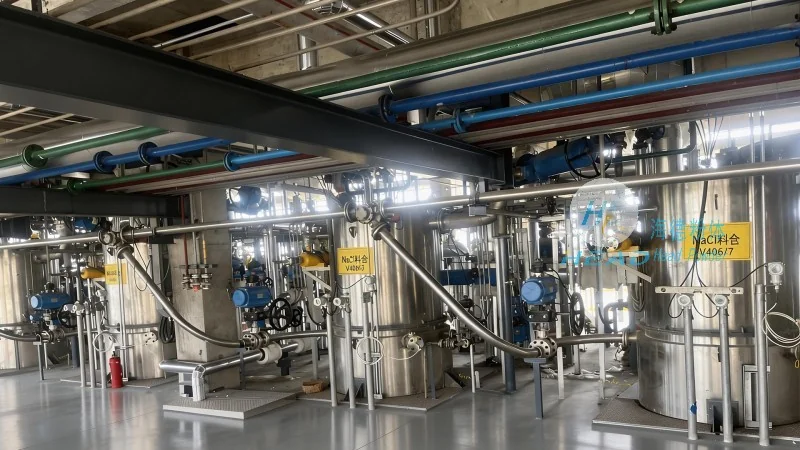
Case Studies and Real-World Applications
HeadPowder has successfully implemented numerous pneumatic conveying systems for cement raw material handling across various industrial sites. For instance, in a large-scale cement production facility in Shandong, China, the company designed and installed a pressure pneumatic conveying system to transport limestone from the quarry to the raw material storage silos. The system was engineered to handle high flow rates and maintain consistent material quality, resulting in a significant reduction in material degradation and lower maintenance costs compared to traditional methods. Another case involved a vacuum conveying system for transporting gypsum and other additives to the mixing stage, where the enclosed design effectively controlled dust emissions and improved workplace safety. These real-world applications demonstrate the effectiveness and adaptability of HeadPowder's pneumatic conveying solutions in addressing the diverse needs of the cement industry.
Conclusion: Enhancing Cement Production with Advanced Pneumatic Conveying
As the cement industry continues to evolve, the demand for efficient and reliable raw material handling solutions remains high. Pneumatic conveying systems, particularly those designed and manufactured by Shandong HeadPowder Engineering Co., Ltd., offer a superior alternative to traditional methods, providing enhanced performance, flexibility, and cost-effectiveness. By leveraging advanced engineering, customized design, and comprehensive support, HeadPowder enables cement producers to optimize their operations, improve product quality, and maintain a competitive edge in the market. The company's commitment to innovation and customer satisfaction ensures that its pneumatic conveying solutions remain at the forefront of industrial material handling technology, supporting the sustainable growth of the cement sector.