HeadPowder, a leading engineering firm based in Shandong, China, specializes in the design and implementation of advanced pneumatic conveying systems tailored for handling lithium fluoride. This article provides a comprehensive overview of the system design considerations, technical specifications, and practical applications of such systems, highlighting the expertise and capabilities of Shandong HeadPowder Engineering Co., Ltd.
System Design Fundamentals for Lithium Fluoride Pneumatic Conveying
The design of a lithium fluoride pneumatic conveying system involves a meticulous approach to ensure efficient, safe, and reliable material transport. Key design fundamentals include selecting the appropriate conveying method (e.g., pressure or vacuum systems), determining the optimal air velocity and pressure levels, and selecting suitable materials for system components to withstand the chemical properties of lithium fluoride. The system must also comply with industrial safety standards and environmental regulations to prevent contamination and ensure worker safety.
Key Components and Their Roles in the System
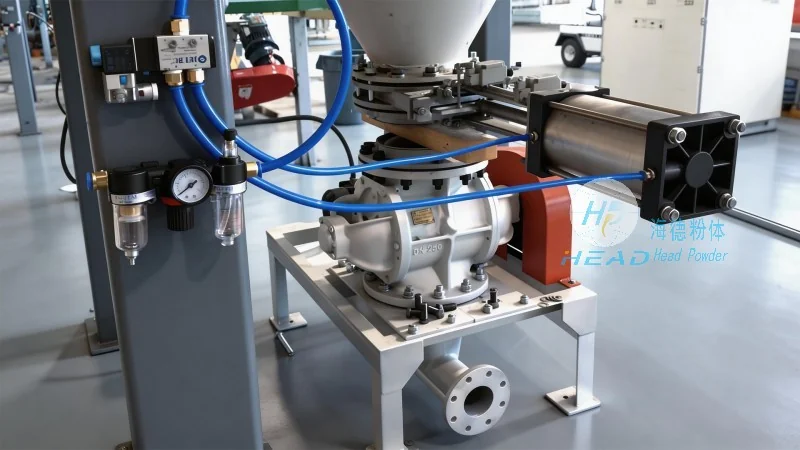
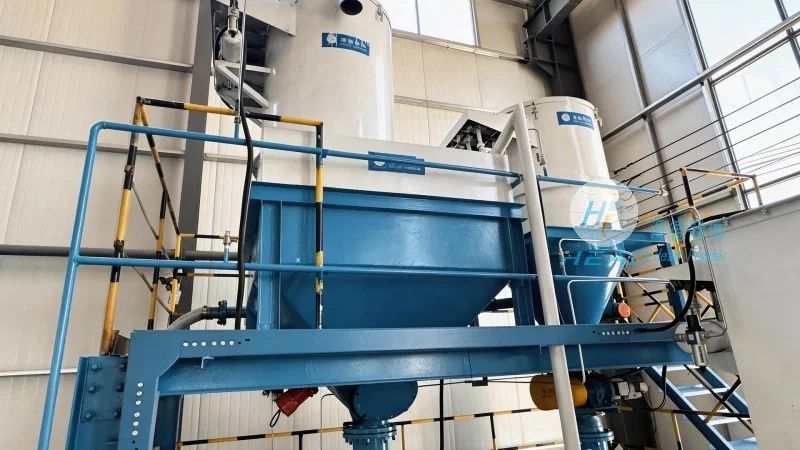
A lithium fluoride pneumatic conveying system typically consists of several critical components, each playing a vital role in the overall operation. The primary components include the material hopper, feeder, air compressor or vacuum pump, conveying line, and receiving hopper. The material hopper is designed to store lithium fluoride and feed it into the system at a controlled rate. The feeder, often a rotary valve or screw feeder, ensures a consistent flow of material into the conveying line. The air compressor or vacuum pump generates the necessary pressure or vacuum to move the material through the system. The conveying line, usually made of corrosion-resistant materials like stainless steel or PTFE, transports the material and air mixture. The receiving hopper collects the conveyed material and discharges it as needed. Each component must be carefully selected and sized to match the specific requirements of the lithium fluoride handling process, ensuring optimal performance and minimal downtime.
Technical Specifications and Performance Parameters
For a lithium fluoride pneumatic conveying system to operate effectively, specific technical specifications must be considered. These include the system's capacity, which is measured in terms of material flow rate (e.g., tons per hour), the air velocity, which is typically maintained between 20-30 meters per second for efficient transport, and the pressure or vacuum levels, which are adjusted based on the system's layout and material characteristics. The system's efficiency is also influenced by factors such as the material's bulk density, particle size distribution, and moisture content. Proper system design ensures that these parameters are optimized to minimize energy consumption while maximizing material throughput. Additionally, the system must be equipped with monitoring and control systems to track performance metrics, detect abnormalities, and adjust operational parameters in real-time, enhancing overall system reliability.
Application Scenarios and Industry Use Cases
Lithium fluoride pneumatic conveying systems are widely used in various industrial applications where the safe and efficient transport of lithium fluoride is critical. These systems are commonly employed in chemical manufacturing plants, where lithium fluoride is used as a raw material in the production of lithium-based compounds and batteries. The systems are also utilized in research and development laboratories, where precise handling of lithium fluoride is required for experimental processes. In addition, the systems are applied in the pharmaceutical and food industries, where stringent safety and hygiene standards must be met. The versatility of pneumatic conveying systems makes them suitable for a wide range of applications, from small-scale laboratory operations to large-scale industrial production lines.
Advantages of Pneumatic Conveying for Lithium Fluoride Handling
Compared to traditional mechanical conveying methods, pneumatic conveying offers several advantages for handling lithium fluoride. One of the primary benefits is the ability to transport material over long distances without the need for multiple transfer points or equipment. This reduces the risk of material contamination and improves overall system efficiency. Pneumatic conveying also provides a more hygienic and dust-free environment, which is crucial for handling lithium fluoride in industries where product purity is essential. Additionally, the system can be easily integrated with other processing equipment, such as reactors and mixers, allowing for seamless material transfer and process automation. The flexibility of pneumatic conveying systems also enables them to handle varying material characteristics, such as different particle sizes and moisture levels, without significant performance degradation.
Customization and Integration with Existing Facilities
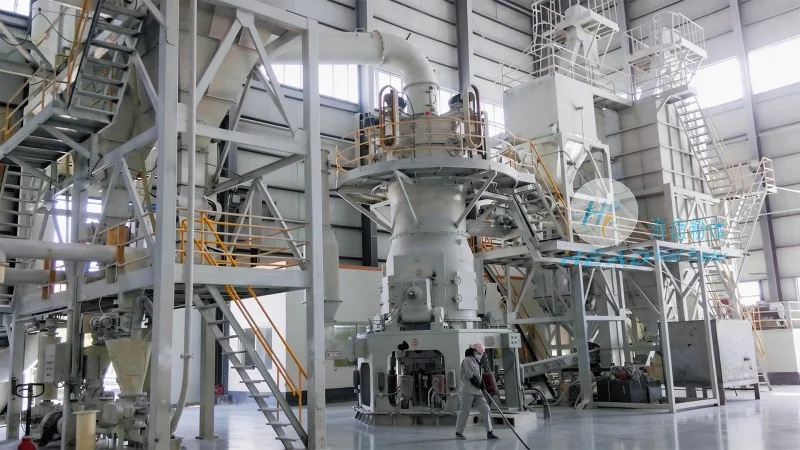
Shandong HeadPowder Engineering Co., Ltd. offers customized pneumatic conveying solutions tailored to the specific needs of clients. The company's engineers work closely with clients to understand their operational requirements, material characteristics, and facility constraints, then design a system that meets all specifications. Customization may include modifications to the system layout, component selection, or control systems to ensure optimal performance. The company also provides integration services to connect the new pneumatic conveying system with existing facilities, ensuring a smooth transition and minimal disruption to ongoing operations. This approach allows clients to leverage the benefits of pneumatic conveying while maintaining compatibility with their current infrastructure.
Maintenance and Operational Considerations
Proper maintenance and operational practices are essential to ensure the long-term performance and reliability of a lithium fluoride pneumatic conveying system. Regular maintenance activities include inspecting and cleaning system components, checking for wear and tear, and replacing worn parts as needed. The system should also be equipped with monitoring devices to detect issues such as pressure drops, air leaks, or material blockages, allowing for timely intervention. Operational considerations include maintaining proper air pressure and flow rates, ensuring consistent material feeding, and monitoring system performance metrics. Proper training of operators on system operation and maintenance is also crucial to prevent accidents and ensure compliance with safety regulations. By following these practices, clients can maximize the lifespan of their system and minimize downtime, ensuring consistent and reliable material transport.
Conclusion and Contact Information
Shandong HeadPowder Engineering Co., Ltd. specializes in the design and implementation of advanced lithium fluoride pneumatic conveying systems, offering customized solutions tailored to the unique needs of clients. With a focus on efficiency, safety, and reliability, the company provides comprehensive engineering services, from system design and installation to maintenance and support. Based in Shandong, China, HeadPowder leverages its expertise and experience to deliver high-quality pneumatic conveying systems that meet the demands of modern industrial applications. For inquiries or to learn more about their services, please contact Shandong HeadPowder Engineering Co., Ltd.




