

Preventing Pipe Blockages in Concrete Pneumatic Conveying Systems: Key Design Parameters
When it comes to transporting concrete using pneumatic conveying systems, one of the most critical challenges is preventing pipe blockages. These blockages can halt production, increase maintenance costs, and lead to material waste. Understanding the key design parameters that mitigate this risk is essential for optimizing the performance and reliability of concrete pneumatic conveying systems. This article explores effective strategies and essential design considerations to ensure smooth and uninterrupted concrete transport, with insights from industry leaders like Shandong HeadPowder Engineering Co., Ltd.
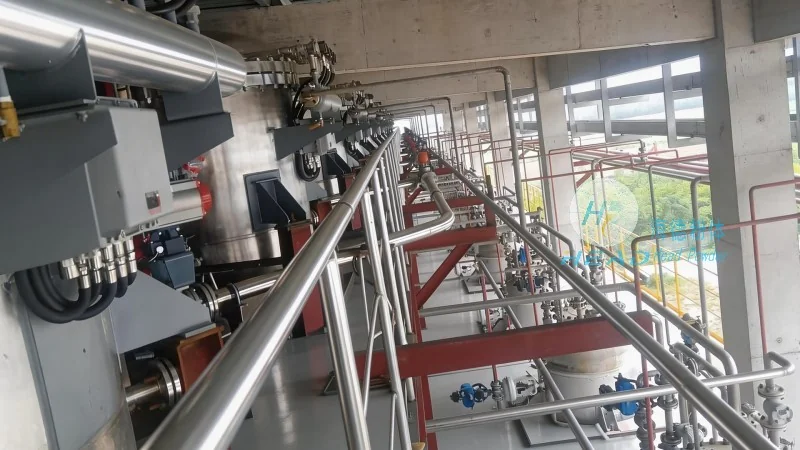
Understanding the Risks of Pipe Blockages in Concrete Pneumatic Conveying
Pneumatic conveying systems rely on air pressure to move bulk materials like concrete through pipelines. However, the abrasive and viscous nature of concrete can lead to buildup on pipe walls, causing blockages. Common causes include improper air velocity, inadequate pipeline diameter, and insufficient separation of air and material. These issues not only disrupt the flow but also increase the wear and tear on system components, leading to higher operational costs over time.
Key Design Parameters for Preventing Pipe Blockages
Several critical design parameters must be carefully considered to prevent pipe blockages in concrete pneumatic conveying systems. These parameters are directly related to the system's capacity, material characteristics, and operational efficiency. The primary factors include:
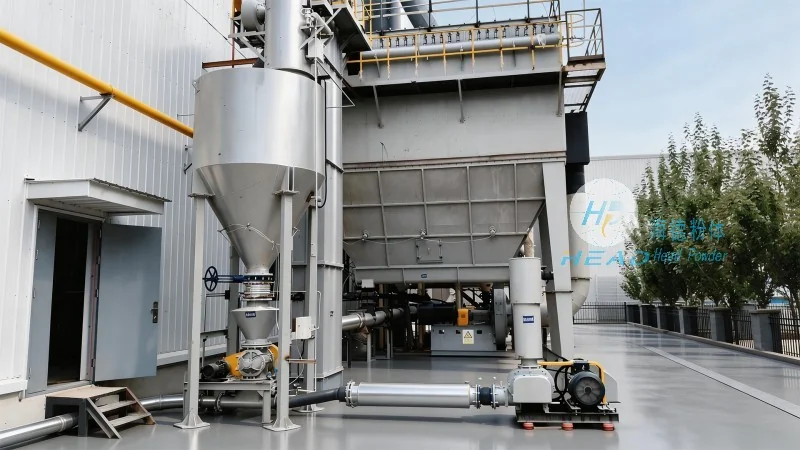
1. Air Velocity and Flow Rate
Optimizing air velocity is paramount. Insufficient air velocity may cause the concrete to settle and accumulate on the pipe walls, while excessive velocity can lead to excessive wear and energy consumption. The ideal air velocity for concrete typically ranges between 20 to 30 meters per second, depending on the pipeline diameter and material properties. Proper calculation of flow rate ensures that the air-to-material ratio is maintained at an optimal level, preventing material deposition and ensuring consistent transport.
2. Pipeline Diameter and Length
The diameter of the conveying pipeline is a critical factor. Larger diameters reduce friction and the risk of blockages, but they also increase material costs. Conversely, smaller diameters may be more cost-effective but require higher air velocities to maintain flow. The length of the pipeline also impacts the system's performance; longer pipelines may need additional air boosters or larger diameter sections to maintain adequate pressure and prevent material stagnation. Proper sizing of the pipeline based on the expected flow rate and material characteristics is essential.
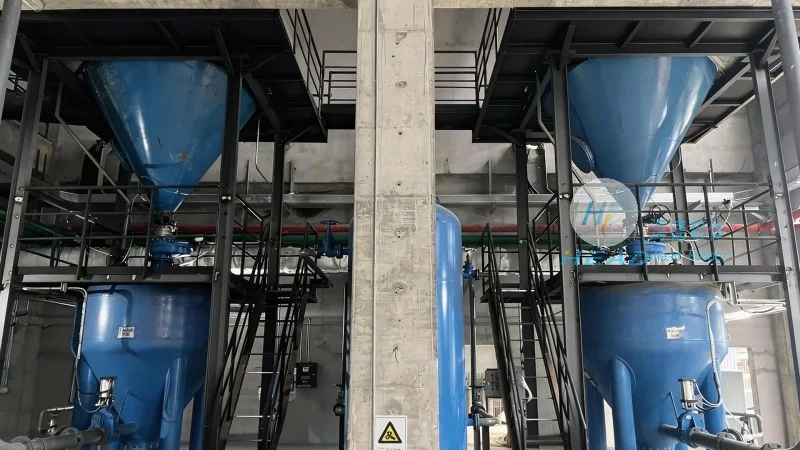
3. Material Characteristics and Moisture Content
The physical properties of the concrete, such as its fineness, moisture content, and aggregate size, significantly affect the risk of blockages. High moisture content can cause the material to clump together, leading to clogs. Similarly, overly fine or abrasive aggregates increase wear on the system components and may contribute to blockages. It is crucial to analyze the material's characteristics before designing the conveying system. Adjusting the moisture content through pre-treatment or selecting appropriate aggregates can reduce the likelihood of blockages.
4. Air Separation and Collection Systems
Efficient air separation is vital to prevent material from being carried over into the air system and causing blockages in downstream equipment. Properly designed cyclones, filters, and dust collectors help separate the concrete from the air stream, ensuring that only clean air is released. The design of these systems must consider the material's density and particle size to maximize separation efficiency. Regular maintenance of these components is also necessary to prevent clogging and maintain optimal performance.
Role of System Components in Mitigating Blockages
While design parameters are crucial, the selection and integration of system components also play a significant role in preventing pipe blockages. Key components include air blowers, which must provide sufficient pressure and volume to maintain flow. The use of air boosters in long pipelines helps maintain pressure and prevent material stagnation. Additionally, the inclusion of inline mixers or agitators can help keep the concrete suspended and prevent settlement in the pipeline. Regular inspection and maintenance of these components are essential to ensure they operate within their design parameters and avoid contributing to blockages.
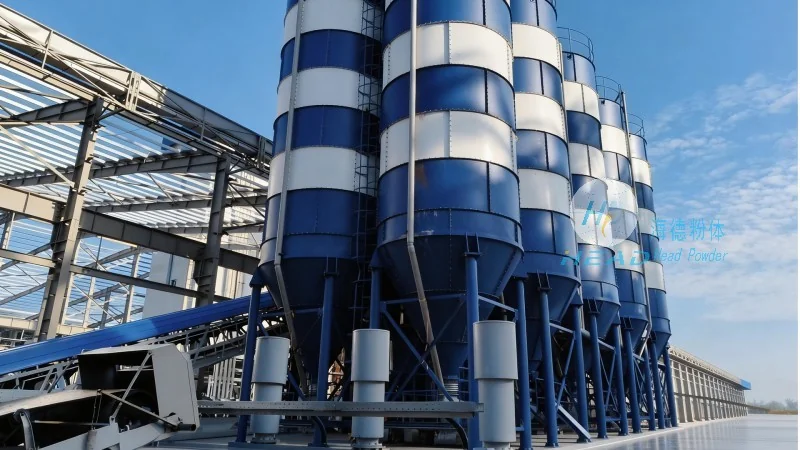
Case Study: Successful Implementation by Shandong HeadPowder Engineering Co., Ltd.
Shandong HeadPowder Engineering Co., Ltd., a renowned provider of advanced pneumatic conveying solutions, has demonstrated exceptional expertise in designing and implementing concrete conveying systems that minimize blockage risks. By leveraging years of experience and a deep understanding of material dynamics, their engineering team has developed tailored solutions that address the unique challenges of concrete transport. For example, a recent project involved the transportation of high-viscosity concrete over a 600-meter pipeline. Through careful analysis of the material's moisture content and aggregate size, the company designed a system with larger diameter pipelines and strategically placed air boosters to maintain optimal air velocity. The result was a system that operated continuously for over 900 hours without any blockages, proving the effectiveness of their design approach. This case study highlights the importance of professional engineering and customized solutions in achieving reliable concrete pneumatic conveying.
Conclusion: Ensuring Reliable Concrete Pneumatic Conveying
Preventing pipe blockages in concrete pneumatic conveying systems requires a comprehensive approach that integrates proper design parameters and effective system components. By focusing on air velocity, pipeline sizing, material characteristics, and air separation, system designers can significantly reduce the risk of blockages and enhance operational efficiency. The expertise of companies like Shandong HeadPowder Engineering Co., Ltd. in tailoring pneumatic conveying solutions to specific applications underscores the importance of professional consultation and engineering in achieving reliable concrete transport. With the right design and maintenance strategies, pneumatic conveying systems can provide a cost-effective and efficient method for transporting concrete, minimizing downtime and maximizing productivity.