For industrial operations dealing with soybean meal, an efficient and reliable powder conveying system is crucial. The soybean meal powder conveying line, also known as a soybean meal handling system, is a specialized setup designed to transport soybean meal from storage silos or processing units to various destinations such as feed mills, storage facilities, or packaging areas. This article will explore the fundamental aspects of such a system, including its design principles and key components, with a focus on the solutions provided by Shandong HeadPowder Engineering Co., Ltd.
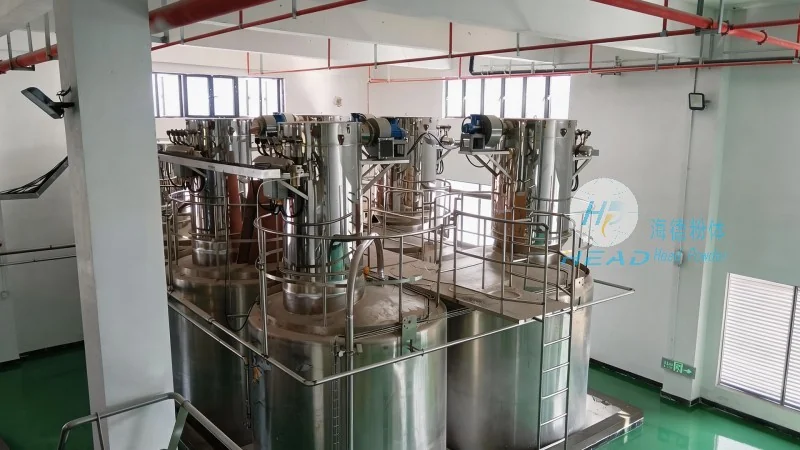
Understanding the Core Components of a Soybean Meal Powder Conveying Line
The soybean meal powder conveying line typically consists of several interconnected components that work in harmony to ensure smooth and safe material transport. The primary components include hoppers, feeders, conveyors, and control systems. Each component plays a vital role in the overall operation, and Shandong HeadPowder Engineering Co., Ltd. designs these components with precision to handle the unique characteristics of soybean meal.
Firstly, hoppers are used to store and feed the soybean meal into the system. They are designed with a sloped bottom to facilitate the flow of powder and prevent clogging. The hopper's design, including its size and material, is tailored to handle the specific characteristics of soybean meal, such as its bulk density and flowability. Shandong HeadPowder Engineering Co., Ltd. offers hoppers made from high-quality materials like stainless steel or carbon steel, ensuring durability and resistance to corrosion.
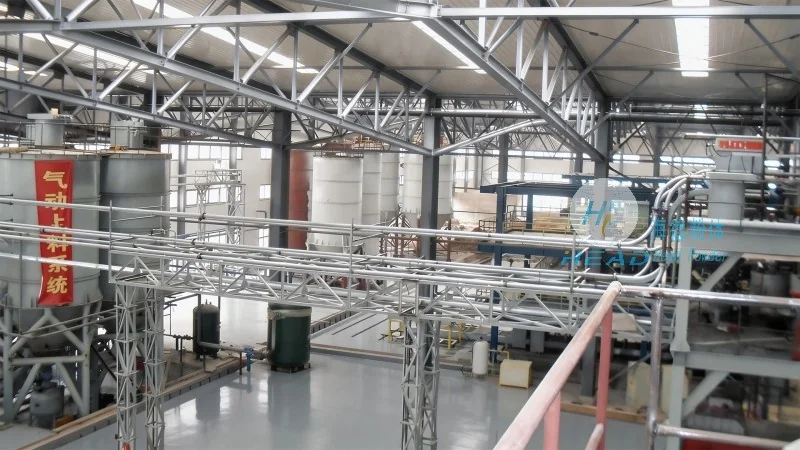
Next, feeders are employed to regulate the flow rate of soybean meal from the hopper to the conveyor. Common types of feeders include rotary valves, vibratory feeders, and screw feeders. These devices ensure a consistent and controlled feed rate, which is essential for maintaining the efficiency of the conveying system and preventing overloading or underloading of the conveyor. The company's feeders are equipped with advanced control mechanisms that allow for precise adjustment of the feed rate based on real-time demand.
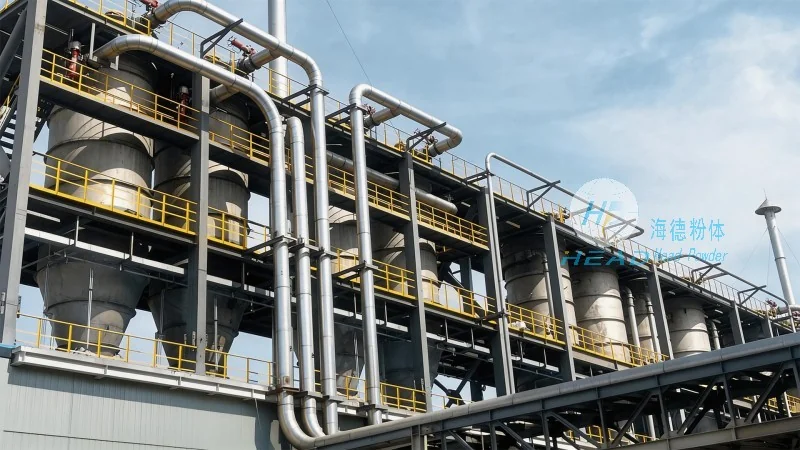
Conveyors are the heart of the powder conveying line. They are responsible for transporting the soybean meal from one location to another. There are several types of conveyors used in such systems, including pneumatic conveyors, belt conveyors, and screw conveyors. Pneumatic conveyors use air pressure to move the powder through a pipeline, while belt and screw conveyors use mechanical means to transport the material along a path. Shandong HeadPowder Engineering Co., Ltd. selects the appropriate conveyor type based on the application and material characteristics, ensuring optimal performance and minimal energy consumption.
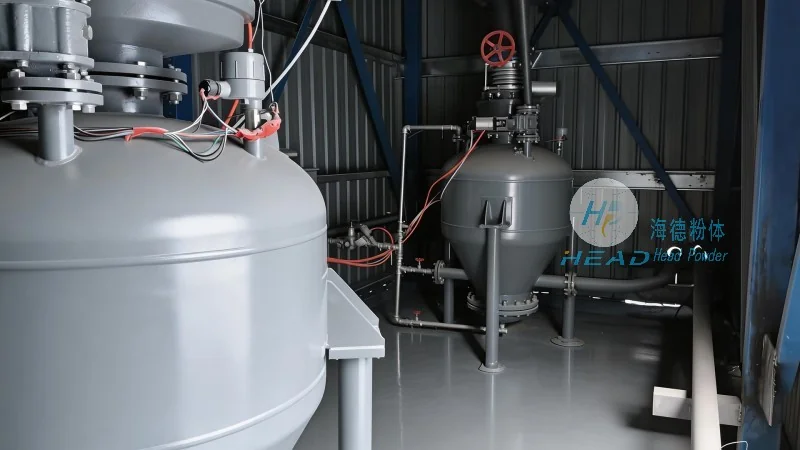
Finally, control systems are integrated into the conveying line to monitor and regulate its operation. These systems include sensors, controllers, and alarms that detect changes in flow rate, pressure, or level, and adjust the system accordingly to maintain optimal performance. The control system also ensures safety by preventing overpressure or underpressure conditions that could lead to equipment damage or accidents. The company's control systems are designed with user-friendly interfaces and robust safety features to meet industry standards.
Design Principles for an Efficient Soybean Meal Powder Conveying Line
The design of a soybean meal powder conveying line is based on several key principles to ensure efficiency, reliability, and safety. The first principle is to minimize material degradation and contamination. Soybean meal is a sensitive product that can be easily damaged by excessive friction, impact, or exposure to air and moisture. Therefore, the conveying system is designed to minimize these factors, such as using smooth surfaces and avoiding sharp edges. Shandong HeadPowder Engineering Co., Ltd. incorporates these design elements to preserve the quality of the soybean meal.




