HeadPowder, or Shandong HeadPowder Engineering Co., Ltd., is a professional enterprise dedicated to powder handling technology. Based in Shandong, China, the company specializes in the development and implementation of advanced systems for handling lithium oxalate powders. This article provides a detailed overview of the structural principles and operational mechanisms of these systems, emphasizing the engineering solutions that ensure efficient and safe material processing.
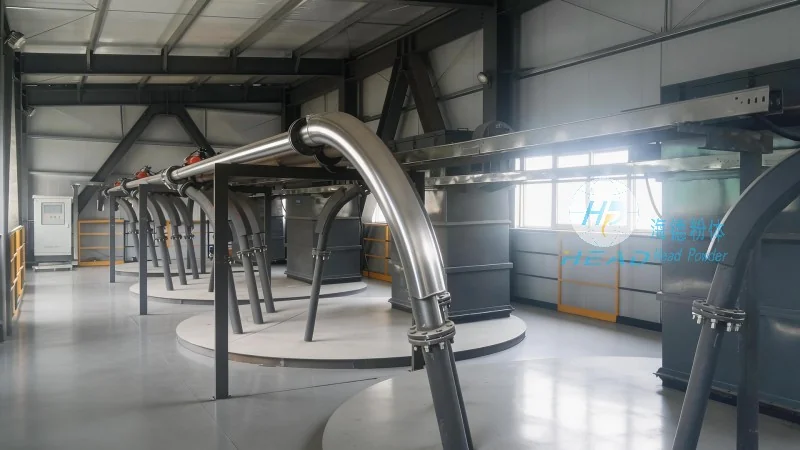
Understanding Lithium Oxalate Powder Handling Systems
Lithium oxalate is a critical raw material in various industrial applications, including battery production and chemical synthesis. Efficient handling of this fine powder is essential to maintain product quality, minimize material loss, and ensure safe operation. The systems designed for lithium oxalate powder handling are engineered to address the unique challenges associated with fine powders, such as dust generation, caking, and flow characteristics. These challenges are addressed through a combination of specialized equipment and engineering solutions tailored to the material's properties.
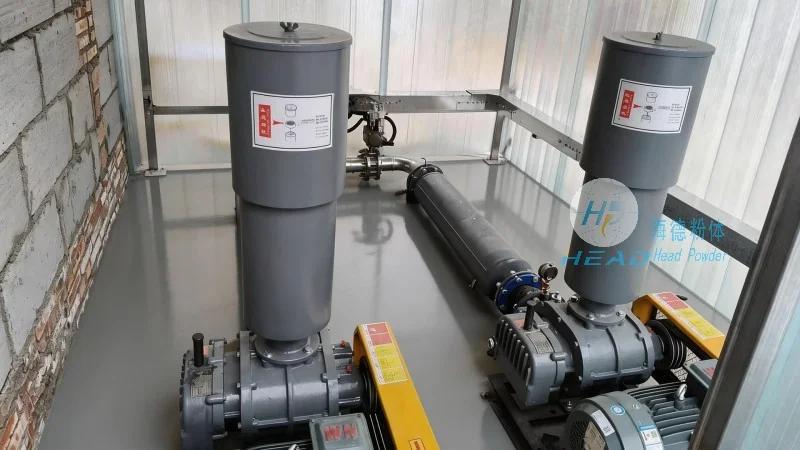
Key Structural Components of Powder Handling Systems
The core structural components of lithium oxalate powder handling systems typically include feeders, conveyors, storage silos, and processing equipment. Each component plays a vital role in the overall system's functionality. Feeders, such as rotary valves or vibratory feeders, are used to control the flow rate of the powder from storage silos to processing units. Conveyors, including pneumatic or mechanical systems, transport the powder between different stages of the process. Storage silos are designed to maintain the powder's quality by preventing moisture absorption and agglomeration. Processing equipment, such as mixers or reactors, utilize the powder as a raw material for further production steps.
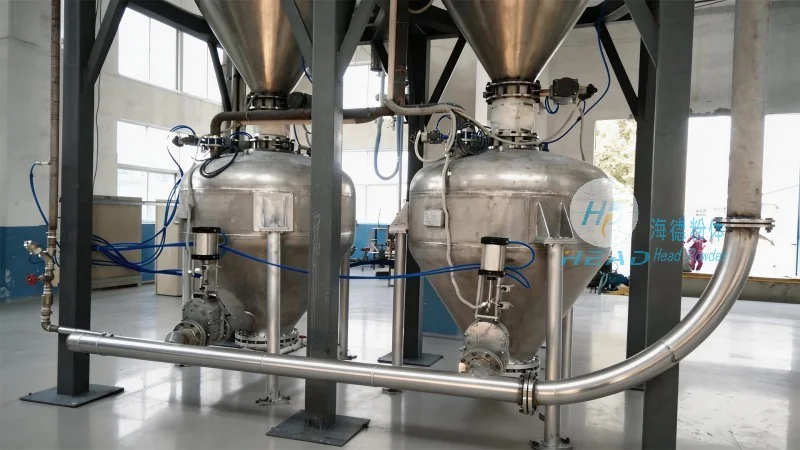
Operational Principles and Flow Control
The operational principles of lithium oxalate powder handling systems focus on maintaining consistent flow rates and preventing material degradation. Flow control is achieved through precise control of feeder speed, pressure differentials, and material properties. For lithium oxalate, which can be hygroscopic and prone to caking, special attention is given to moisture control and material conditioning. Systems may include drying units or anti-caking agents to ensure the powder remains free-flowing and stable during handling. Additionally, the design incorporates safety features, such as dust collection systems and explosion-proof components, to mitigate risks associated with fine powder handling.
Engineering Considerations for Lithium Oxalate Handling
Engineering considerations in the design of lithium oxalate powder handling systems involve material compatibility, corrosion resistance, and maintenance accessibility. The equipment is typically constructed from materials that are resistant to chemical attack from the powder and any additives used in processing. For example, stainless steel or specialized alloys may be used for components that come into direct contact with the material. The system's design also prioritizes ease of maintenance, with accessible components and standardized parts to reduce downtime and operational costs. Additionally, the integration of automation and control systems allows for real-time monitoring of flow rates, pressure, and temperature, ensuring optimal performance and safety.
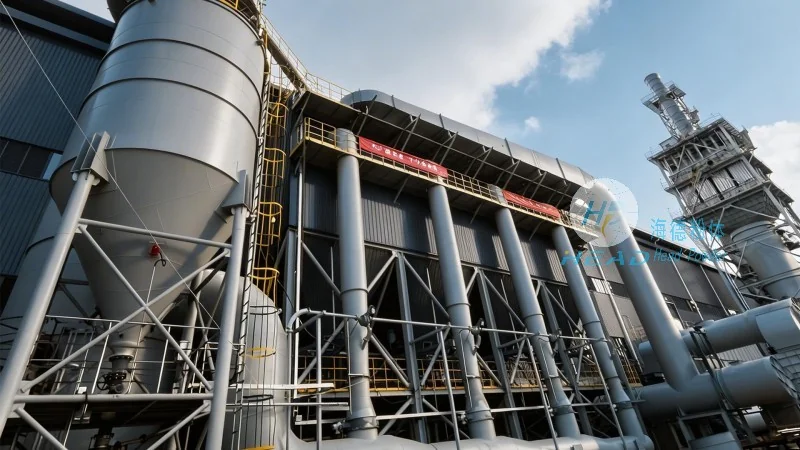
Applications and Industry Impact
Lithium oxalate powder handling systems are integral to industries that rely on lithium-based materials, particularly in the battery manufacturing sector. The efficient handling of this material directly impacts production efficiency, product quality, and overall operational costs. By ensuring consistent and reliable material flow, these systems contribute to the scalability and sustainability of lithium-based production processes. The structural principles and operational mechanisms discussed here are adaptable to various production scales, from small-scale laboratory applications to large-scale industrial manufacturing, making them versatile solutions for diverse industry needs.




