When it comes to designing an efficient and reliable denitration urea pneumatic conveying system, careful planning and consideration of key factors are essential. The system's performance, safety, and operational longevity depend heavily on the design approach adopted. This article aims to provide a comprehensive guide to designing a rational denitration urea pneumatic conveying system, highlighting the critical aspects that engineers and project managers should address.
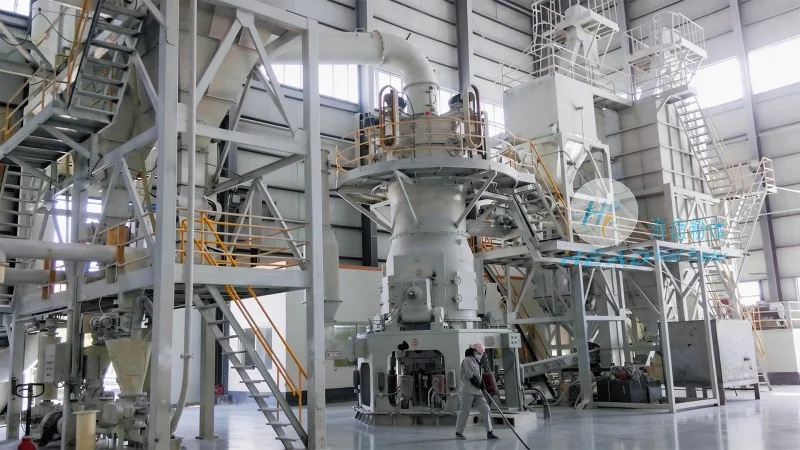
Understanding the Core Components of a Denitration Urea Pneumatic Conveying System
A denitration urea pneumatic conveying system typically consists of several interconnected components that work in harmony to transport urea, a key component in selective catalytic reduction (SCR) systems for flue gas denitration. The primary components include the urea storage silo, a feeder system, a conveying pipeline network, a control system, and a dust collection unit. Each component plays a vital role in ensuring the smooth and safe operation of the entire system.
Key Design Considerations for System Efficiency and Reliability
Efficiency and reliability are paramount when designing a denitration urea pneumatic conveying system. Several factors must be carefully evaluated to achieve optimal performance. First, the system's capacity and flow rate requirements must be accurately determined based on the plant's operational needs and urea consumption patterns. This involves calculating the required conveying velocity, which directly impacts the system's ability to handle the urea feed without clogging or excessive pressure drops.
Second, the selection of the appropriate conveying method—such as pressure or vacuum pneumatic conveying—is critical. Pressure systems are commonly used for long-distance or high-capacity applications, as they can handle larger volumes of material with less pressure loss. Vacuum systems, on the other hand, are suitable for shorter distances or when the material needs to be transported from multiple sources. The choice of method influences the system's energy consumption and overall cost.
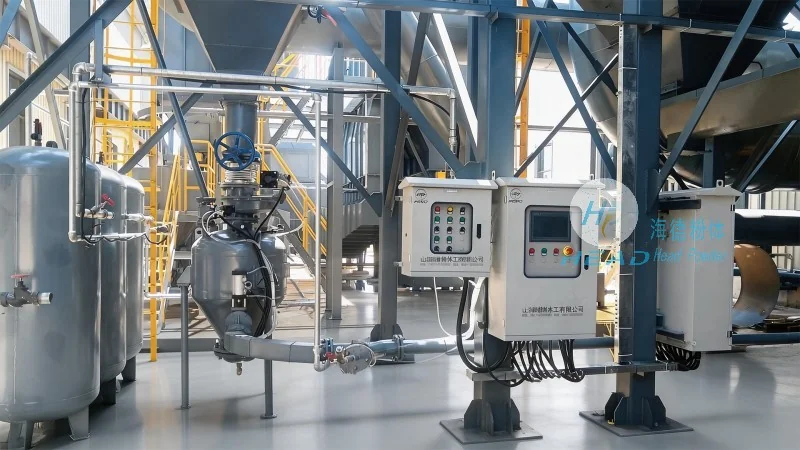
Material Handling and Equipment Selection
The choice of equipment for material handling is another critical aspect of system design. The urea feeder, for instance, must be capable of providing a consistent and controlled flow of material to the conveying system. Screw feeders or rotary valves are commonly used for this purpose, as they can handle bulk materials without clogging. The feeder's design should also consider the urea's properties, such as its moisture content and flowability, to ensure smooth operation.
The conveying pipeline network is another key component. The pipeline material, diameter, and length all affect the system's performance. Stainless steel is often preferred for its corrosion resistance and durability, especially in environments where urea may be exposed to moisture or acidic conditions. The pipeline's layout should be designed to minimize bends and pressure losses, ensuring that the conveying air can effectively move the urea through the system without excessive energy consumption.
Control and Monitoring Systems for Optimal Operation
Advanced control and monitoring systems are essential for maintaining the system's efficiency and safety. These systems typically include sensors to monitor pressure, flow rate, and temperature, as well as control valves and actuators to regulate the conveying process. Real-time data collection and analysis allow operators to detect and address issues promptly, preventing system downtime or performance degradation.
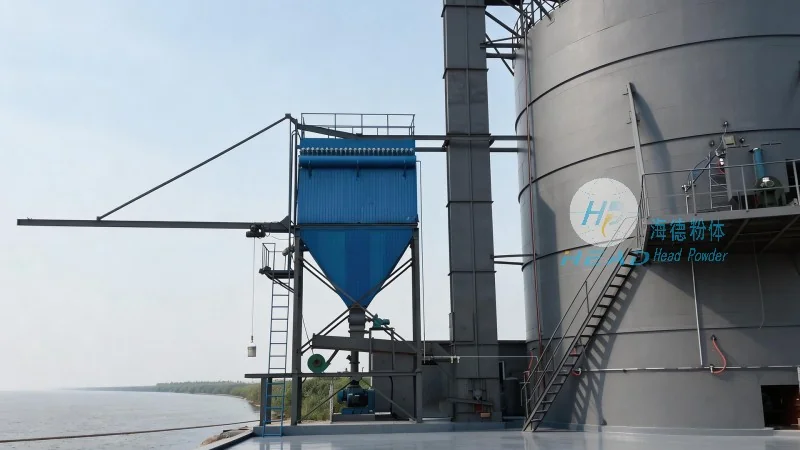
The control system should also integrate with the plant's overall process control, ensuring that the urea supply is synchronized with the flue gas denitration process. This integration helps optimize the system's operation and reduces waste, contributing to overall plant efficiency.
Safety and Environmental Considerations
Safety is a top priority in the design of any industrial system, and the denitration urea pneumatic conveying system is no exception. Proper ventilation and dust collection systems are essential to prevent the accumulation of urea dust, which can pose health risks and environmental hazards. The system should also include safety features such as pressure relief valves, emergency shut-off mechanisms, and alarms to alert operators of any abnormalities.
Environmental compliance is another critical consideration. The system must be designed to minimize emissions and comply with local regulations. This may involve incorporating dust filtration systems or using low-emission conveying methods. By prioritizing safety and environmental protection, the system ensures long-term operational viability and regulatory compliance.
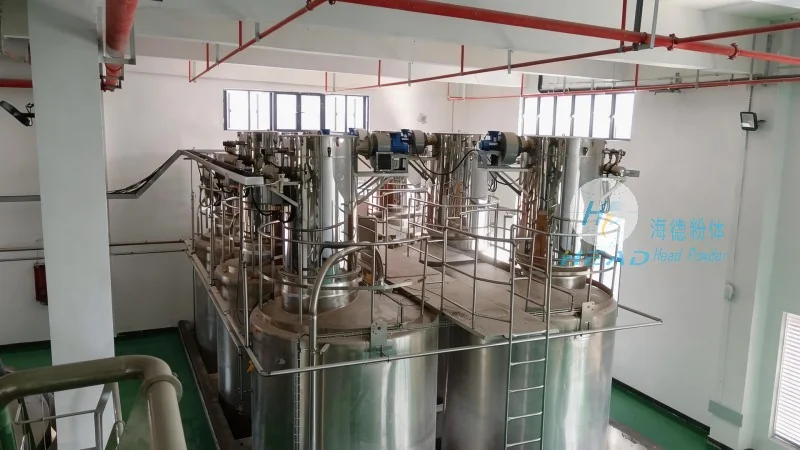
Case Study: Successful Implementation by Shandong HeadPowder Engineering Co., Ltd.
Shandong HeadPowder Engineering Co., Ltd., a leading provider of industrial engineering solutions, has extensive experience in designing and implementing denitration urea pneumatic conveying systems. The company's expertise lies in tailoring systems to meet the specific needs of clients, ensuring optimal performance and reliability. For instance, one of their recent projects involved designing a pressure pneumatic conveying system for a power plant in China, where the system successfully transported urea from storage to the SCR system with minimal downtime and high efficiency.
The project involved careful analysis of the plant's operational requirements, selection of appropriate equipment, and integration of advanced control systems. The system was designed to handle a high flow rate of urea while maintaining low pressure losses, resulting in energy savings and reduced operational costs. The success of this project highlights the importance of a systematic approach to system design, as well as the expertise of experienced engineering firms like Shandong HeadPowder.
Conclusion: Designing a Rational System for Optimal Performance
Designing a reasonable denitration urea pneumatic conveying system requires a comprehensive understanding of the system's components, operational requirements, and safety considerations. By carefully evaluating each aspect of the system—from material handling to control and monitoring—and selecting appropriate equipment and methods, engineers can ensure the system's efficiency, reliability, and safety. The involvement of experienced engineering firms, such as Shandong HeadPowder Engineering Co., Ltd., can provide valuable expertise and ensure that the system meets the specific needs of the client. With proper design and implementation, a denitration urea pneumatic conveying system can contribute significantly to the overall efficiency and performance of a flue gas denitration plant.




