When planning a pneumatic conveying system for cement and aggregates, it is crucial to consider multiple factors to ensure efficiency, reliability, and cost-effectiveness. A well-designed system not only optimizes material handling but also minimizes operational risks and maintenance costs. This guide outlines key considerations and best practices for developing a robust pneumatic conveying solution tailored to specific industrial needs.
Key Factors in System Design
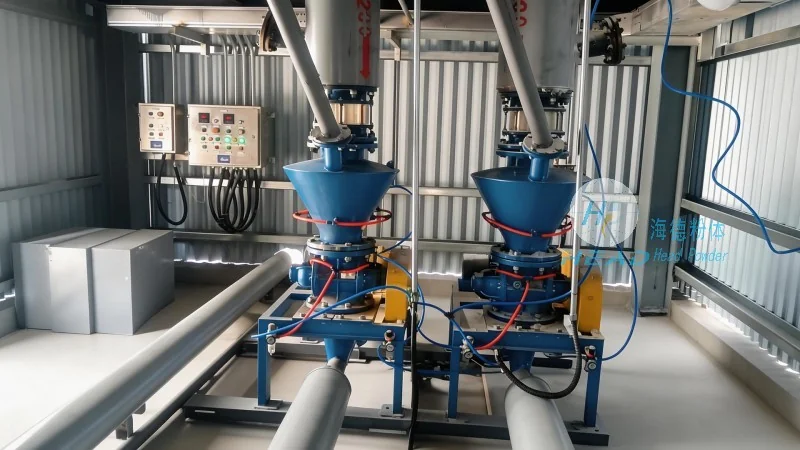
The design of a cement aggregate pneumatic conveying system involves evaluating several critical parameters. First, the type of material being conveyed—such as cement, sand, or gravel—affects the selection of equipment and system configuration. For instance, cement, being a fine powder, requires different handling strategies compared to coarse aggregates like gravel. Additionally, the distance and elevation changes between the source and destination points determine the required air pressure and system capacity. Other factors include the required flow rate, the need for dust control, and the integration with existing infrastructure. By thoroughly analyzing these variables, engineers can select the most suitable conveying method, whether it is dilute-phase or dense-phase transport.
Equipment Selection and Components
HeadPowder Engineering, a leading provider of industrial material handling solutions, emphasizes the importance of choosing appropriate equipment for each stage of the pneumatic conveying process. The system typically includes a material feed hopper, a blower or compressor to generate airflow, a conveying line (often with bends and filters), and a discharge hopper or silo. For cement applications, a positive displacement blower may be preferred due to its ability to maintain consistent pressure and handle fine powders effectively. The conveying line is usually made of stainless steel or other corrosion-resistant materials to prevent material buildup and ensure durability. Additionally, filters and cyclones are essential components to capture dust and maintain air quality, which is critical for both operational safety and compliance with environmental regulations.
System Layout and Integration
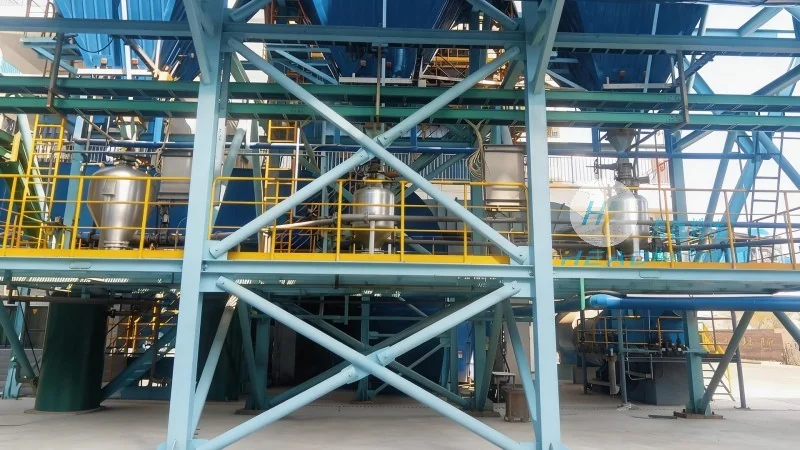
The layout of the pneumatic conveying system should be designed to minimize energy consumption and maximize material flow efficiency. The position of the feed hopper, the location of the blower, and the routing of the conveying line all impact the system's performance. For example, placing the feed hopper at a higher elevation can reduce the need for additional lifting equipment, while a horizontal line may be more suitable for shorter distances. Integration with existing storage facilities or processing plants is also a key consideration. HeadPowder Engineering offers customized solutions that can be seamlessly integrated into existing operations, ensuring minimal disruption to production schedules.
Flow Rate and Pressure Optimization
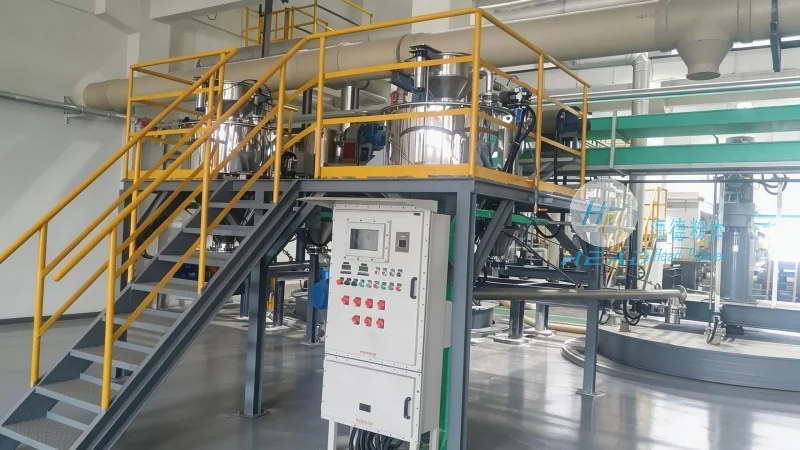
Optimizing the flow rate and air pressure is essential for achieving efficient material transport. The flow rate is determined by the required throughput, which depends on the production capacity of the plant. For instance, a cement plant with high output may require a system capable of handling several tons per hour. The air pressure is directly related to the system's ability to overcome friction losses in the conveying line and any elevation changes. Engineers use computational fluid dynamics (CFD) and empirical formulas to calculate the optimal pressure and flow rate for a given system. Regular monitoring and adjustment of these parameters can help maintain system efficiency and reduce energy costs over time.
Maintenance and Operational Considerations
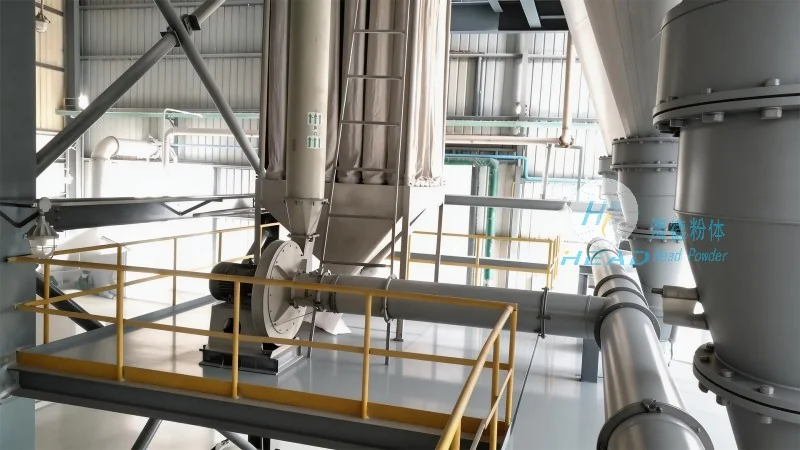
A well-designed pneumatic conveying system requires regular maintenance to ensure long-term reliability. HeadPowder Engineering recommends routine checks of the blower, filters, and conveying line for signs of wear or blockage. Dust collection systems should be inspected regularly to prevent clogging and maintain air quality. Additionally, training operators on proper system operation and emergency procedures is crucial for safe and efficient operation. By implementing a proactive maintenance schedule, companies can extend the lifespan of their equipment and avoid costly downtime.
Conclusion
Designing a rational cement aggregate pneumatic conveying system is a complex process that requires careful consideration of material properties, operational requirements, and equipment capabilities. With the expertise of companies like Shandong HeadPowder Engineering Co., Ltd., industrial facilities can develop customized solutions that enhance productivity, reduce costs, and ensure compliance with industry standards. By following best practices and leveraging advanced engineering techniques, organizations can achieve efficient material handling and maintain a competitive edge in their respective markets.




