

Preventing Pipeline Blockages in Pneumatic Conveying Systems for Barite Powder: Key Design Parameter
Barite powder, a crucial industrial material used in various applications such as oil drilling, paint, and rubber manufacturing, often requires efficient and reliable transportation. Pneumatic conveying systems have emerged as a preferred method for handling barite powder due to their ability to transport materials without direct contact, reducing contamination and wear. However, a common challenge in these systems is pipeline blockage, which can lead to operational disruptions and increased maintenance costs. Understanding the key design parameters that mitigate these blockages is essential for optimizing the performance and longevity of the conveying system.
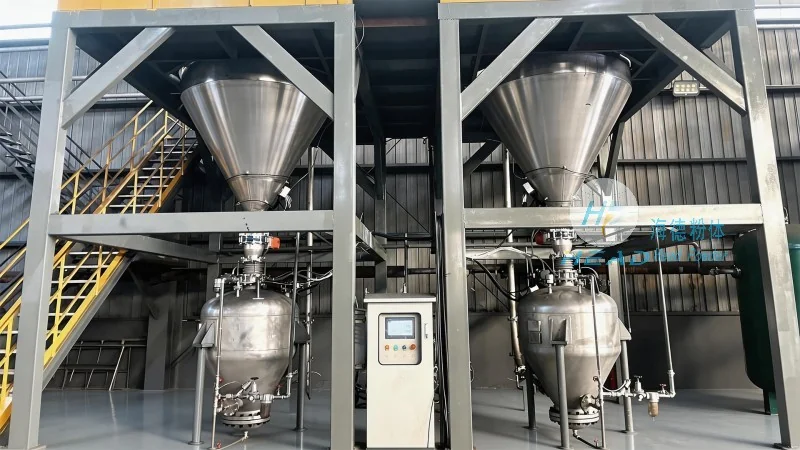
Understanding Pipeline Blockages in Pneumatic Conveying
Pipeline blockages in pneumatic conveying systems for barite powder typically occur due to several factors, including material properties, system design, and operational conditions. Barite powder, being a fine particulate material, can agglomerate or form deposits on the inner walls of the pipeline if the conveying air velocity is insufficient or if the system pressure is not properly managed. Additionally, the moisture content in the powder or the presence of foreign particles can exacerbate blockage risks. Recognizing these underlying causes is the first step toward implementing effective prevention strategies.
Key Design Parameters to Prevent Pipeline Blockages
Several critical design parameters must be considered when designing a pneumatic conveying system for barite powder to minimize the risk of pipeline blockages. These parameters are interrelated and require careful optimization to ensure system efficiency and reliability.
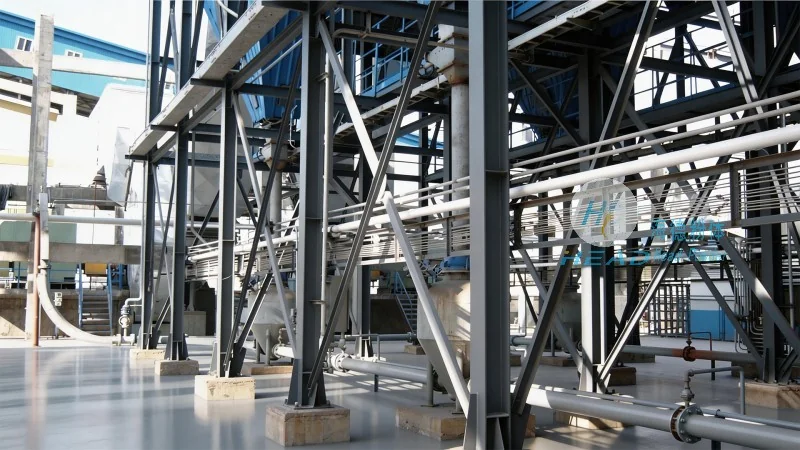
1. Air Velocity and Flow Rate The air velocity within the conveying pipeline is a primary factor in preventing blockages. Insufficient air velocity can lead to material settling and agglomeration, while excessive velocity may cause erosion and increased energy consumption. For barite powder, an optimal air velocity is typically determined based on the material's bulk density, particle size distribution, and the required conveying distance. The flow rate must be adjusted to maintain a consistent velocity that keeps the powder in suspension without causing excessive pressure drops.
2. System Pressure and Pressure Drop Maintaining appropriate system pressure is essential to ensure the material is adequately conveyed. Excessive pressure drop can indicate blockages or inefficient system design, while insufficient pressure may result in material deposition. The pressure drop across the pipeline should be monitored regularly to detect early signs of blockage. Proper sizing of the air compressor and pipeline diameter is crucial to maintain stable pressure levels throughout the conveying process.
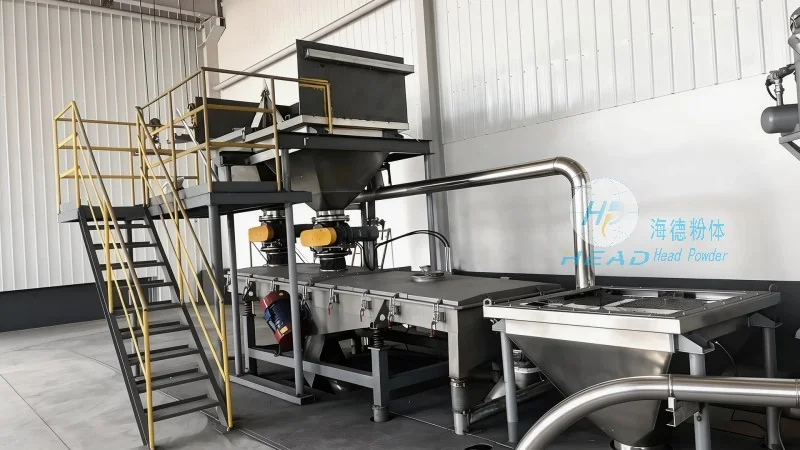
3. Pipeline Sizing and Material of Construction The diameter and length of the conveying pipeline significantly impact the risk of blockages. Larger diameter pipelines reduce the velocity required to keep the material in suspension, thereby lowering the risk of agglomeration. However, longer pipelines may require higher pressure to maintain the conveying velocity. The material of construction, such as stainless steel or corrosion-resistant alloys, is also important to prevent material buildup and corrosion, which can contribute to blockages over time.
4. Solids Loading Ratio The ratio of solid material to air in the conveying system affects the likelihood of blockages. A higher solids loading ratio increases the risk of material settling and blockage, as the air velocity may not be sufficient to keep all particles suspended. Conversely, a lower ratio may result in higher energy consumption. The optimal solids loading ratio for barite powder is typically determined through experimental testing, considering the material's properties and the system's design constraints.
5. Inlet and Outlet Design The design of the inlet and outlet components plays a vital role in preventing blockages. Properly designed inlets ensure that the material is introduced into the pipeline in a uniform manner, reducing the risk of localized concentration and agglomeration. Similarly, well-designed outlets minimize the risk of material deposition at the discharge point. Features such as vortex breakers, flow straighteners, and smooth transitions between components help maintain consistent flow and prevent blockages.
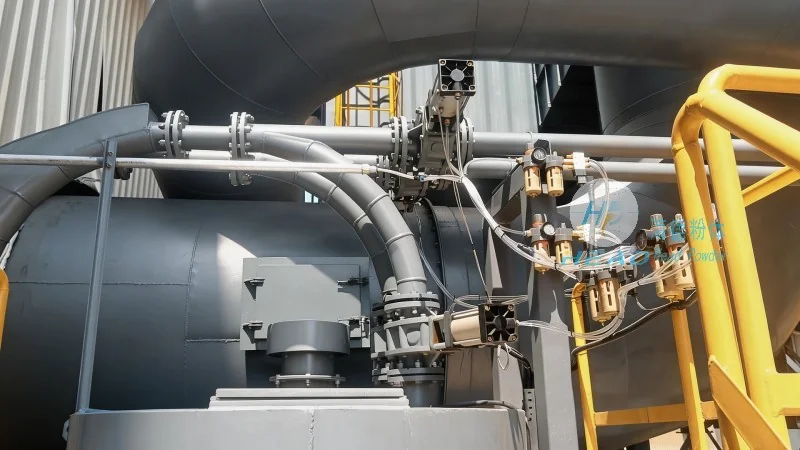
6. Cleaning and Maintenance Systems Even with optimal design, periodic cleaning and maintenance are necessary to prevent long-term blockages. Incorporating automated cleaning systems, such as pulse jets or mechanical scrapers, can help remove accumulated material from the pipeline. Regular inspection and maintenance of the system components, including filters and air compressors, ensure that the system operates at peak efficiency and reduces the risk of blockage-related issues.
Conclusion: Optimizing Pneumatic Conveying Systems for Barite Powder
Preventing pipeline blockages in pneumatic conveying systems for barite powder requires a comprehensive approach that considers multiple design parameters. By optimizing air velocity, system pressure, pipeline sizing, solids loading ratio, and inlet/outlet design, along with implementing effective cleaning and maintenance strategies, operators can significantly reduce the risk of blockages and enhance the overall performance of the conveying system. The expertise of companies like Shandong HeadPowder Engineering Co., Ltd. (headpowder) is invaluable in designing and implementing such systems, ensuring that barite powder is transported efficiently and reliably while minimizing operational disruptions.