

How to Prevent Pipeline Blockages in Pneumatic Conveying Systems for Rare Earth Mineral Powder Trans
For industries dealing with rare earth mineral powders, efficient and reliable material transport is crucial. Pneumatic conveying systems offer a viable solution, but a common challenge is pipeline blockages, which can halt production and lead to costly downtime. This article explores effective strategies to prevent blockages in such systems and highlights the critical design parameters that must be considered during system design and implementation.
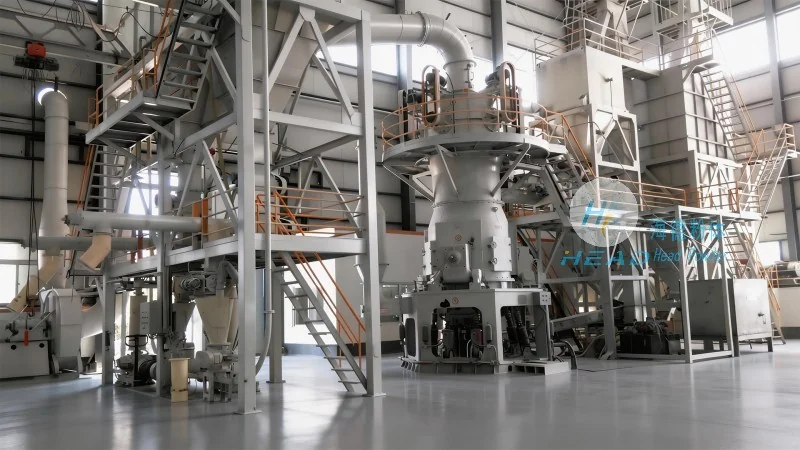
Understanding the Challenges of Rare Earth Mineral Powder Handling
Rare earth minerals, such as neodymium, praseodymium, and cerium, are often fine-grained and can exhibit properties that make them prone to agglomeration and caking. These materials may have high moisture content, variable particle size distributions, or inherent stickiness, all of which contribute to the risk of blockages in pneumatic conveying pipelines. Traditional bulk material handling methods may not be suitable due to the unique characteristics of rare earth powders, necessitating specialized pneumatic conveying solutions.
Key Design Parameters for Preventing Blockages in Pneumatic Conveying Systems
Designing a pneumatic conveying system for rare earth mineral powders requires careful consideration of several key parameters to ensure smooth operation and minimize the risk of blockages. The following factors are critical:
Pipeline Diameter and Material Flow Rate
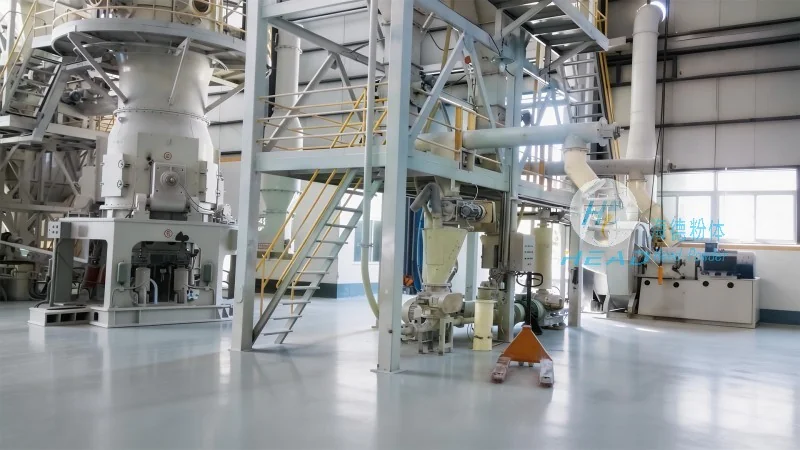
The diameter of the conveying pipeline is a fundamental parameter that directly impacts the system's capacity and flow characteristics. For rare earth mineral powders, a larger pipeline diameter can reduce the risk of blockages by allowing sufficient space for material movement and preventing excessive pressure drops. However, the flow rate must also be optimized to maintain a consistent gas-solid ratio, which is essential for preventing material settling or clogging. Shandong HeadPowder Engineering Co., Ltd. (headpowder) recommends selecting a pipeline diameter based on the expected material flow rate and the specific properties of the rare earth powder being handled.
Air Velocity and Gas-Solid Ratio
Air velocity is a critical factor in pneumatic conveying, as it determines the ability of the air stream to entrain and transport the material. Insufficient air velocity can lead to material deposition and blockages, while excessive velocity may cause erosion of the pipeline or increased energy consumption. The optimal air velocity for rare earth mineral powders typically falls within a specific range, often determined by the particle size and density of the material. The gas-solid ratio, which is the ratio of air volume to material volume, must be carefully balanced to ensure efficient transport without causing excessive pressure losses or blockages. headpowder's engineering team emphasizes the importance of conducting thorough testing to determine the ideal gas-solid ratio for each specific rare earth mineral powder.
System Pressure and Pressure Drop Management
The operating pressure of the pneumatic conveying system plays a significant role in preventing blockages. Higher pressures can help maintain material suspension and reduce the likelihood of clogging, but they also increase energy costs and may require more robust pipeline and equipment. Effective pressure drop management is essential to ensure that the system operates within safe and efficient parameters. This involves selecting appropriate pipeline materials, minimizing bends and fittings, and using high-quality components that can withstand the operating pressures without degradation. Shandong HeadPowder Engineering Co., Ltd. provides customized pressure management solutions tailored to the specific requirements of rare earth mineral powder handling.
Pipeline Design and Fitting Selection
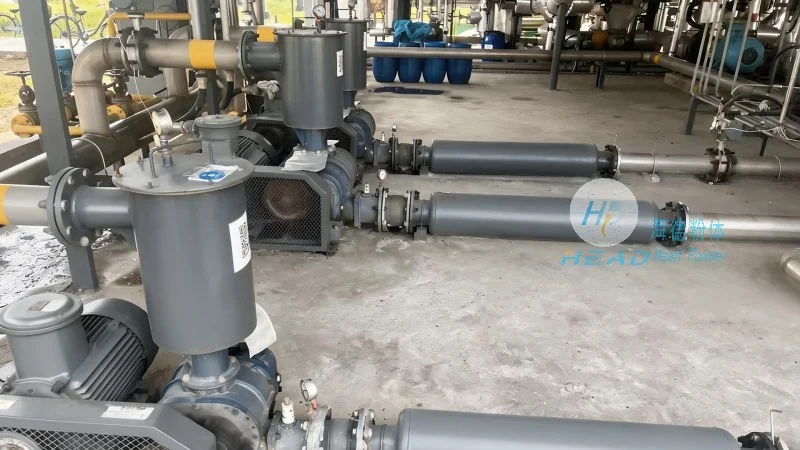
The design of the conveying pipeline, including the selection of bends, elbows, and other fittings, is crucial for preventing blockages. Sharp bends or narrow sections can cause material to settle or accumulate, leading to clogs. Using smooth, gradual bends and avoiding abrupt changes in pipeline diameter can help maintain consistent material flow. Additionally, incorporating features such as expansion joints or flexible connectors can help accommodate thermal expansion and reduce stress on the pipeline, further minimizing the risk of blockages. headpowder specializes in designing custom pipeline systems with optimized fittings to ensure reliable operation for rare earth mineral powders.
Material Conditioning and Pre-Treatment
Pre-treating the rare earth mineral powder before it enters the pneumatic conveying system can significantly reduce the risk of blockages. This may involve drying the material to reduce moisture content, which can help prevent caking and agglomeration. Additionally, adding anti-caking agents or using mechanical agitation to break up clumps can improve material flowability. Shandong HeadPowder Engineering Co., Ltd. offers material conditioning solutions, including drying equipment and agglomeration breakers, to enhance the performance of pneumatic conveying systems for rare earth minerals.
Filter and Pulse Valve Systems
Efficient filtration is essential to maintain the cleanliness of the air stream and prevent dust accumulation, which can contribute to blockages. The filter system must be designed to handle the specific characteristics of rare earth mineral powders, such as high dust load or abrasive particles. Pulse valve systems are commonly used to clean the filter media, ensuring that the air stream remains free of debris. Proper maintenance of the filter and pulse valve system is critical to prevent blockages caused by clogged filters or malfunctioning valves. headpowder provides high-quality filter and pulse valve systems tailored to the needs of rare earth mineral powder handling.
Conclusion: Ensuring Reliable Pneumatic Conveying for Rare Earth Minerals
Preventing pipeline blockages in pneumatic conveying systems for rare earth mineral powders requires a comprehensive approach that considers the unique properties of the material and the critical design parameters of the system. By optimizing pipeline diameter, air velocity, system pressure, and other factors, and incorporating effective material conditioning and filtration systems, industries can achieve reliable and efficient material transport. Shandong HeadPowder Engineering Co., Ltd. (headpowder) specializes in providing customized pneumatic conveying solutions that address the specific challenges of rare earth mineral powder handling, ensuring smooth operation and minimizing downtime. With their expertise in system design and implementation, headpowder helps clients maintain high productivity and operational efficiency in the processing of rare earth minerals.