Understanding the structure and working principle of fly ash pneumatic conveying equipment is crucial for efficient handling and transport of fly ash in industrial applications. This equipment is designed to handle fine powders like fly ash, which are commonly generated from coal-fired power plants. The system combines air flow and mechanical components to transport the material over long distances with minimal loss and contamination.
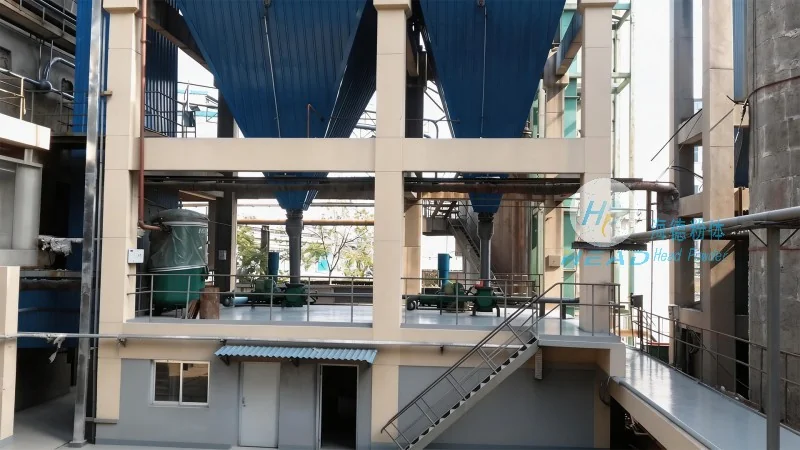
Key Components and Structure of Fly Ash Pneumatic Conveying Systems
The core components of a fly ash pneumatic conveying system include the hopper, feeder, air compressor, pipeline, and receiver. The hopper serves as the storage and feeding unit, where fly ash is collected and fed into the system. The feeder, often a rotary valve or screw feeder, controls the flow rate of the material into the pipeline. The air compressor generates the necessary air pressure to move the material through the pipeline. The pipeline network connects the hopper to the receiver, which collects the conveyed fly ash. The receiver may include a dust collection system to ensure environmental compliance and material recovery.
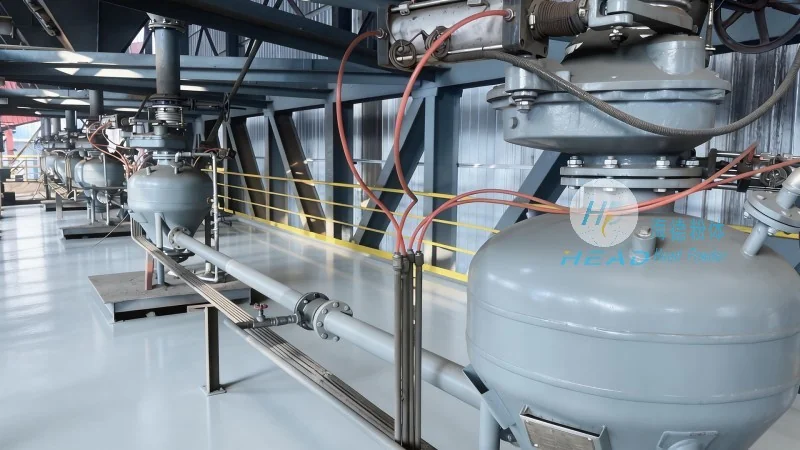
Working Principle of Pneumatic Conveying for Fly Ash
The operation of a fly ash pneumatic conveying system involves the creation of a high-velocity air stream within the pipeline. As the air flows, it entrains the fly ash particles, forming a slurry-like mixture known as a "pneumatic stream." The air pressure and velocity are carefully controlled to ensure the material is transported without clogging or degradation. The system can operate in either positive or negative pressure modes, depending on the application and distance requirements. Positive pressure systems are typically used for short to medium distances, while negative pressure systems are suitable for longer distances or when the material needs to be transported from multiple sources.
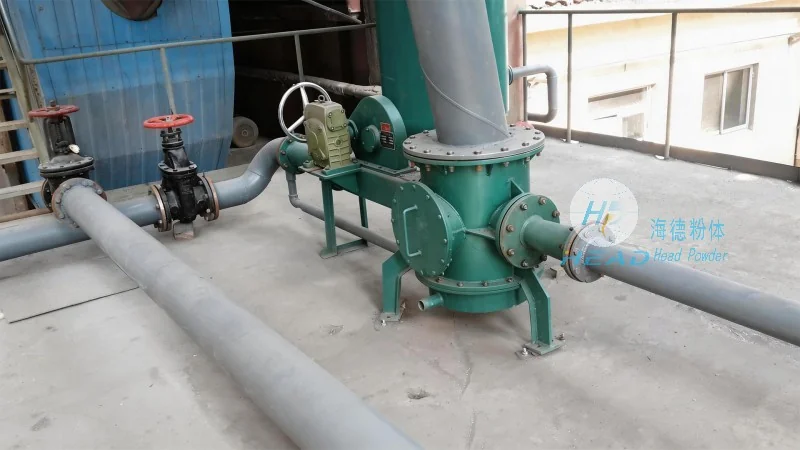
Advantages of Using Pneumatic Conveying for Fly Ash Handling
Compared to traditional methods like belt conveyors or bucket elevators, pneumatic conveying offers several advantages for fly ash handling. It provides a closed system, which minimizes dust emissions and environmental impact. The equipment is compact and can be installed in tight spaces, making it suitable for industrial facilities with limited floor space. Additionally, pneumatic conveying allows for flexible routing of the pipeline, enabling the material to be transported to various destinations without the need for complex infrastructure modifications. The system also reduces material degradation and loss, as the material is not exposed to external elements during transport.
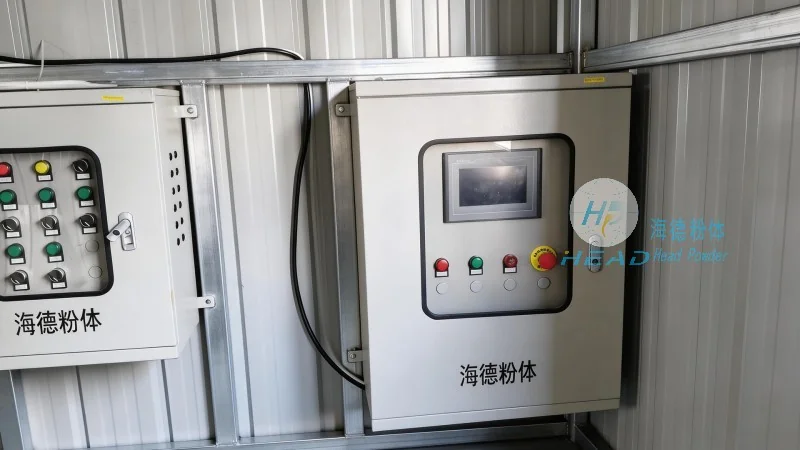
About Shandong HeadPowder Engineering Co., Ltd.
Shandong HeadPowder Engineering Co., Ltd., operating under the brand name headpowder, specializes in the design, manufacturing, and supply of advanced powder handling equipment. With a focus on industrial applications, the company provides customized solutions for fly ash and other fine powder transport needs. Headpowder's expertise lies in developing efficient and reliable pneumatic conveying systems that meet the specific requirements of power plants and industrial facilities. The company's products are engineered to ensure high performance, durability, and compliance with environmental regulations. Based in Shandong, China, headpowder serves clients globally, delivering quality equipment and technical support to enhance their material handling processes.




