When it comes to handling chloroprene rubber in industrial settings, the design of an efficient and reliable pneumatic conveying system is paramount. This guide outlines the critical considerations and steps involved in creating a system that meets the specific needs of your operation, ensuring optimal performance and longevity.
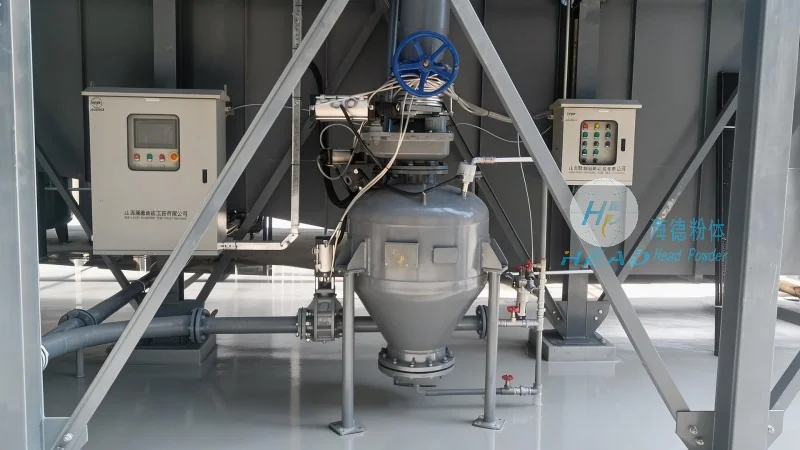
Introduction to Chloroprene Rubber Pneumatic Conveying Systems
Chloroprene rubber, also known as neoprene, is a versatile synthetic rubber used in a wide range of applications due to its excellent resistance to oil, chemicals, and weathering. Pneumatic conveying systems are widely adopted for transporting this material due to their ability to handle abrasive or sticky powders without the need for mechanical components that could cause wear or contamination. The design of such a system requires a thorough understanding of the material's properties, the process requirements, and the available space and infrastructure.
Key Factors in System Design
The success of a chloroprene rubber pneumatic conveying system hinges on several key factors. First, the type of system—whether positive pressure, negative pressure, or a hybrid—must be selected based on the distance, material characteristics, and environmental constraints. Second, the system layout must be carefully planned to minimize pressure drops and ensure smooth material flow. Third, the selection of components such as hoppers, cyclones, and filters is crucial for maintaining material quality and system efficiency. Finally, the air source and compressor specifications must be matched to the system's demands to avoid energy waste or insufficient airflow.
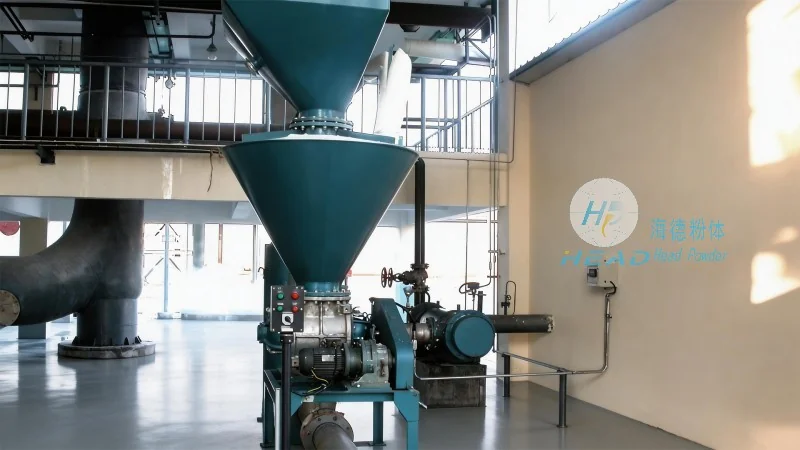
Choosing the Right Pneumatic Conveying Type
Positive pressure systems, where air is blown into the system to move material, are often preferred for long-distance or high-capacity applications. They offer better control over material flow and are less prone to clogging. Negative pressure systems, on the other hand, draw material into the system using suction, which is suitable for shorter distances or when the material is to be collected from multiple points. Hybrid systems combine both approaches to optimize performance for complex layouts. For chloroprene rubber, which can be sticky or have varying particle sizes, a positive pressure system with a well-designed hopper and feeder is typically recommended to prevent material buildup and ensure consistent conveying.
System Layout and Pipeline Design
The layout of the pneumatic conveying system, including the placement of hoppers, feeders, and separation equipment, directly impacts its efficiency. The pipeline should be designed with smooth transitions and minimal bends to reduce pressure losses. Elbows and tees should be selected with appropriate radii to minimize turbulence and prevent material accumulation. The use of flexible connectors at joints can accommodate minor misalignments and reduce stress on the system. Additionally, the inclusion of pressure relief valves and check valves is essential for safety and to prevent backflow. For chloroprene rubber, which can be abrasive, the pipeline material—such as stainless steel or special coatings—must be chosen to withstand wear and prevent contamination.
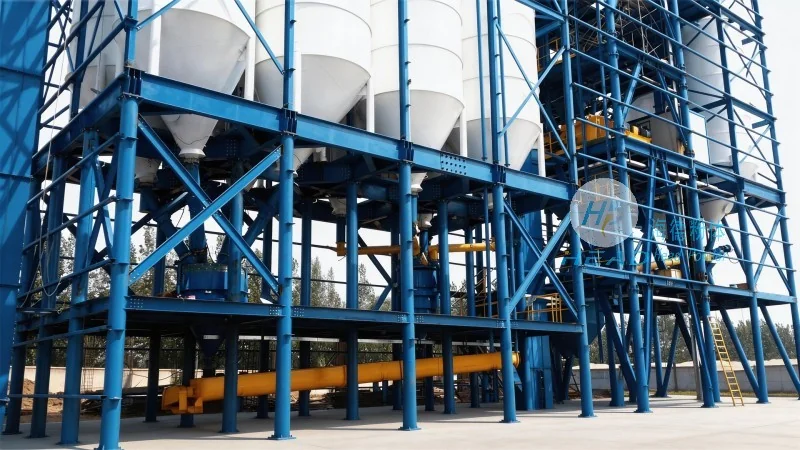
Air Source Selection and Compressor Specifications
The air source, typically a rotary lobe or centrifugal compressor, must be capable of delivering the required volume and pressure at the desired flow rate. The compressor's capacity should be sized to meet the system's peak demand while allowing for future expansion. Energy efficiency is also a key consideration, as the air compressor accounts for a significant portion of the system's operating costs. Regular maintenance of the compressor, including filter changes and lubrication, is necessary to ensure consistent performance and extend its lifespan. For a chloroprene rubber system, the air must be filtered to remove moisture and particulates, as these can degrade the material and cause blockages.
Equipment Selection: Hoppers, Cyclones, and Filters
The hopper and feeder are critical components that control the material's flow into the system. A properly designed hopper with a conical or wedge-shaped bottom and a well-matched feeder (such as a rotary valve or star feeder) ensures a consistent feed rate and prevents material bridging or segregation. The cyclone separator is used to separate the material from the air stream, and its design must be optimized for the specific particle size and density of chloroprene rubber. The filter, often a baghouse or cartridge filter, removes fine particles from the exhaust air, protecting the environment and maintaining air quality. The selection of these components should be based on the material's properties, the system's capacity, and the required separation efficiency.
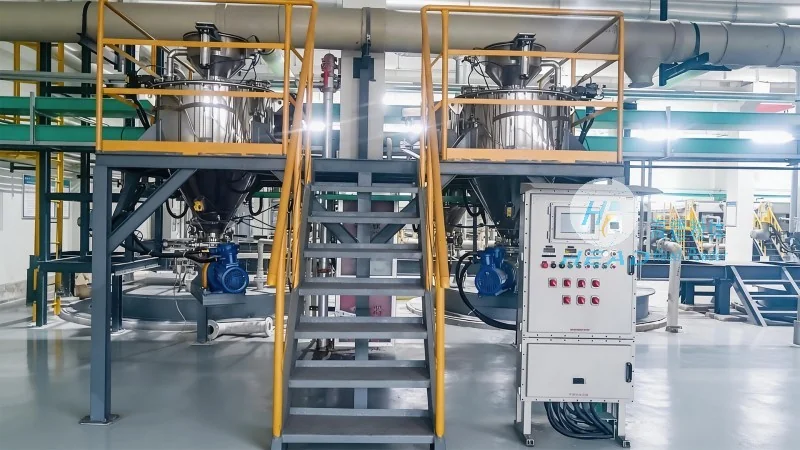
Material Handling Considerations for Chloroprene Rubber
Chloroprene rubber has unique handling characteristics that must be considered in system design. Its stickiness can cause material to adhere to the hopper walls or feeder parts, leading to uneven flow or blockages. To mitigate this, the hopper and feeder may be equipped with heating elements or anti-stick coatings. The material's density and particle size distribution also affect the conveying velocity and pressure drop. Larger or denser particles may require higher air velocities to prevent settling. Additionally, the material's resistance to abrasion means that all contact surfaces—hoppers, pipelines, and cyclones—must be made of durable materials to minimize wear and extend the system's service life.
Company Profile: Shandong HeadPowder Engineering Co., Ltd.
Shandong HeadPowder Engineering Co., Ltd., commonly known as HeadPowder, is a leading provider of industrial pneumatic conveying solutions. With its headquarters in Shandong, China, the company specializes in designing and manufacturing systems tailored to the unique needs of various industries, including rubber processing. HeadPowder's team of engineers brings extensive experience in material handling and system optimization, ensuring that each project is executed with precision and efficiency. The company's commitment to quality and customer satisfaction has made it a trusted partner for businesses seeking reliable and cost-effective pneumatic conveying systems for chloroprene rubber and other challenging materials.




