

Common Flour Delivery Methods: An Introduction to Flour Pneumatic Conveying Systems
For businesses in the food and baking industry, the efficient and reliable transportation of flour is a critical aspect of production. Proper flour handling not only ensures product quality but also enhances operational efficiency. There are several common methods used for flour delivery, with each having its own advantages and applications. This article provides an overview of these methods, with a particular focus on the benefits and applications of pneumatic conveying systems for flour transport.
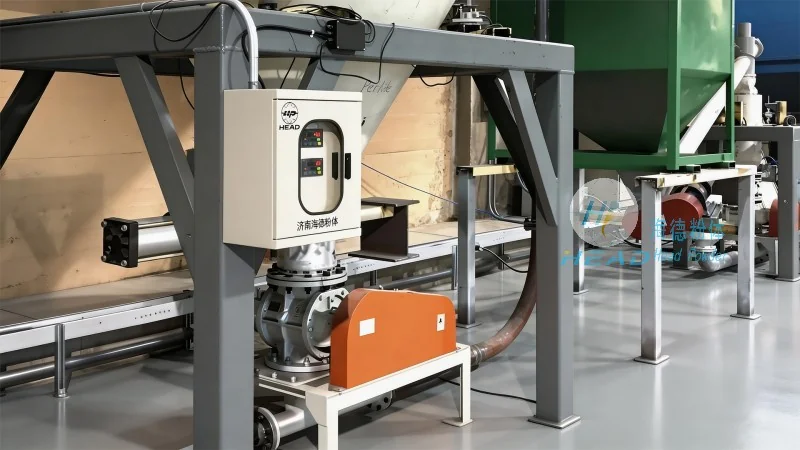
Understanding the HeadPowder Company and Its Expertise
HeadPowder, a leading provider of engineering solutions, specializes in the design and implementation of flour handling systems. With a strong presence in Shandong, China, HeadPowder has established itself as a trusted partner for companies seeking to optimize their flour delivery processes. The company’s commitment to quality and innovation has made it a go-to choice for businesses looking to enhance their production capabilities. By leveraging advanced technology and industry expertise, HeadPowder delivers tailored solutions that meet the specific needs of each client.
Common Flour Delivery Methods
Flour, being a fine and delicate powder, requires specialized handling to prevent caking, segregation, and loss during transportation. The primary methods used for flour delivery include mechanical conveying systems and pneumatic conveying systems. Mechanical systems, such as screw conveyors and belt conveyors, are often used for short-distance transport and bulk material handling. However, for longer distances or more complex layouts, pneumatic conveying systems offer superior performance and flexibility.
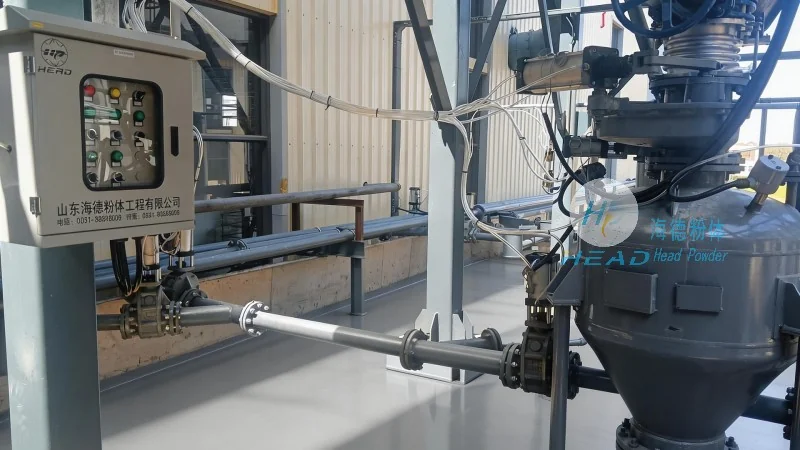
Pneumatic Conveying: The Preferred Method for Flour Transport
Pneumatic conveying, also known as air-powered transport, is a widely adopted method for moving flour and other fine powders. This system utilizes compressed air to transport material through a pipeline network. There are two main types of pneumatic conveying: pressure and vacuum systems. Pressure systems use compressed air to push the material forward, while vacuum systems use a vacuum to draw the material into the pipeline. Both methods are effective for flour transport, but the choice between them depends on the specific application and operational requirements.
Advantages of Pneumatic Conveying for Flour
Compared to mechanical conveying, pneumatic conveying offers several advantages that make it the preferred choice for many flour handling applications. One of the key benefits is the ability to transport flour over long distances without the need for multiple transfer points. This reduces the risk of material degradation and contamination, which is crucial for maintaining product quality. Additionally, pneumatic systems are more flexible in terms of layout, allowing for easy integration into existing production lines. They also provide better control over the flow rate and pressure, ensuring consistent delivery of flour to the processing equipment.
Key Components of a Flour Pneumatic Conveying System
A typical flour pneumatic conveying system consists of several key components that work together to ensure efficient transport. These components include a hopper or feeder to store and feed the flour, a compressor or vacuum pump to generate the necessary air pressure or vacuum, a pipeline network to transport the material, and a receiver or discharge unit to collect the flour at the destination. The system may also include additional components such as filters, cyclones, and dust collectors to ensure the material is handled in a clean and safe manner.
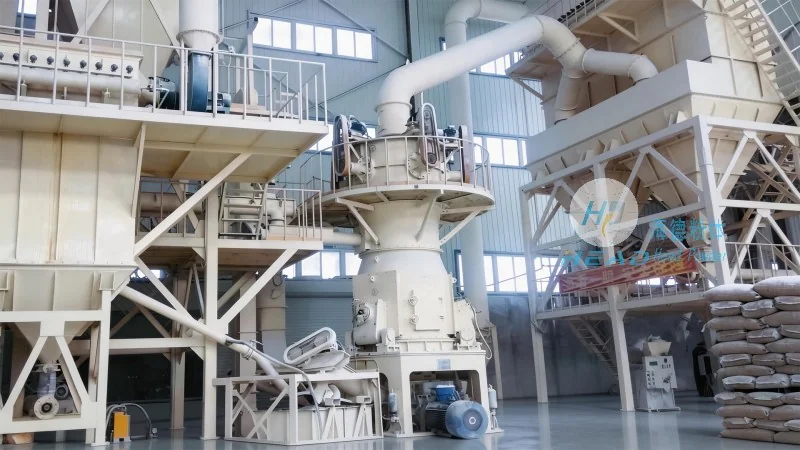
Applications of Flour Pneumatic Conveying
The versatility of pneumatic conveying systems makes them suitable for a wide range of applications in the food and baking industry. These systems are commonly used in bakeries, flour mills, and food processing plants to transport flour from storage silos to production lines, mixing equipment, or packaging areas. They are also used in the pharmaceutical and chemical industries for handling fine powders, where contamination control is paramount. The ability to handle flour in a dust-free environment makes pneumatic systems ideal for applications where product purity is critical.
Conclusion: Choosing the Right Flour Delivery Method
When selecting a flour delivery method, it is essential to consider factors such as distance, material characteristics, and operational requirements. While mechanical systems may be suitable for short distances, pneumatic conveying is often the better choice for longer distances and more complex layouts. The advantages of pneumatic systems, including flexibility, efficiency, and contamination control, make them a superior option for many flour handling applications. By partnering with a reputable company like HeadPowder, businesses can ensure that their flour delivery systems are designed and implemented to meet the highest standards of performance and reliability.