When it comes to handling and transporting straw powder, selecting the right conveying method is crucial for efficiency, cost-effectiveness, and operational reliability. Various techniques are employed in industrial settings, each with its own advantages and applications. Understanding these methods helps businesses optimize their material handling processes and ensure smooth operations.
Traditional Conveying Methods for Straw Powder
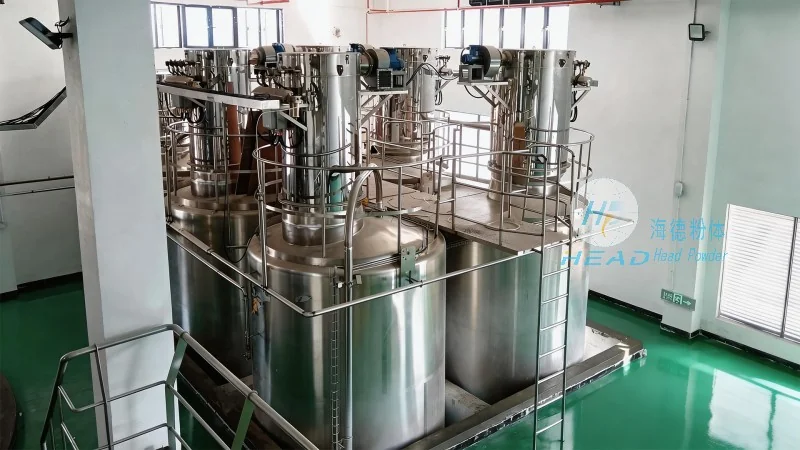
Before delving into modern solutions, it's essential to recognize traditional conveying approaches used for straw powder. These methods often involve mechanical systems such as screw conveyors, belt conveyors, and bucket elevators. While effective for certain bulk materials, they may face limitations when dealing with fine, dusty straw powders. For instance, screw conveyors can cause material bridging and blockages, while belt conveyors require regular maintenance and may not handle high volumes efficiently. These traditional systems are generally less suitable for handling the fine, abrasive nature of straw powder, which can lead to increased wear and reduced lifespan of equipment.
Pneumatic Conveying: A Modern Solution for Straw Powder Transport
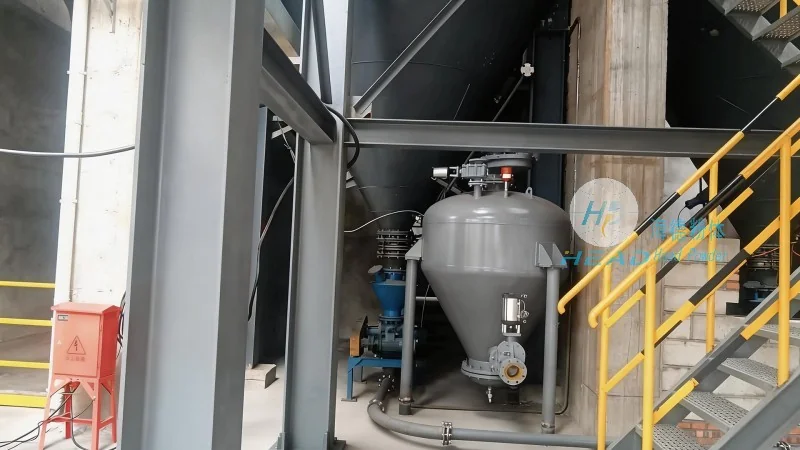
Among the various conveying methods, pneumatic conveying stands out as a highly effective solution for straw powder. This technology uses air or gas to transport the material through a pipeline system. There are two primary types of pneumatic conveying: pressure and vacuum systems. Pressure systems push the material forward using compressed air, while vacuum systems draw the material into the system using a vacuum pump. Both methods offer advantages in terms of flexibility, cleanliness, and ability to handle fine powders without the need for additional equipment like hoppers or chutes.
Key Advantages of Straw Powder Pneumatic Conveying
Straw powder pneumatic conveying offers several key benefits that make it a preferred choice for many industries. Firstly, it provides a clean and dust-free operation, which is critical in food processing, pharmaceuticals, and other industries where contamination must be minimized. The enclosed pipeline system prevents dust from escaping into the environment, reducing health hazards and maintaining compliance with environmental regulations. Secondly, pneumatic systems are highly flexible, allowing for easy reconfiguration of the conveying network. This adaptability is particularly valuable in facilities where production processes may change or expand over time. Thirdly, these systems can handle high volumes of material with minimal maintenance, as they have fewer moving parts compared to mechanical conveyors. Additionally, pneumatic conveying is energy-efficient, as it uses compressed air that can be recycled and reused, reducing operational costs.
Components of a Straw Powder Pneumatic Conveying System
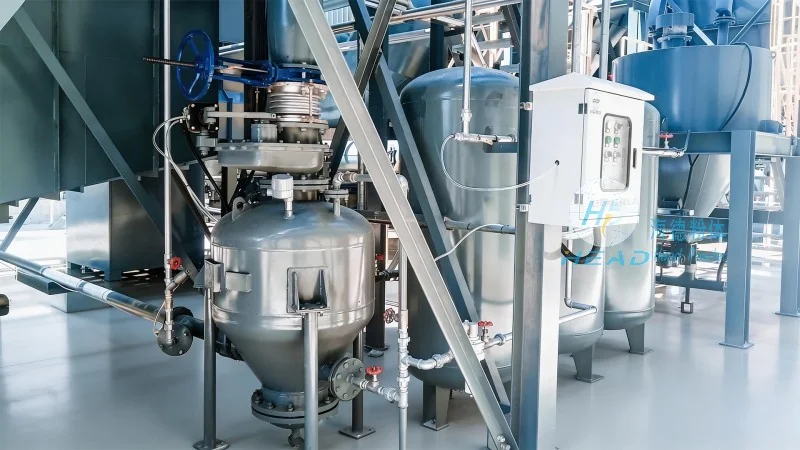
A typical straw powder pneumatic conveying system consists of several key components that work together to ensure efficient material transport. The main components include a material feeder, a conveying line, a control valve, a filter and separator, and a receiver or discharge point. The material feeder is responsible for introducing the straw powder into the system, ensuring a consistent flow rate. The conveying line, usually made of stainless steel or other corrosion-resistant materials, transports the material through the system. The control valve regulates the flow of air and material, maintaining optimal pressure and flow rates. The filter and separator are crucial for removing excess air and separating the material from the air stream, preventing dust accumulation and ensuring the material is delivered in a clean state. Finally, the receiver or discharge point collects the straw powder at the end of the conveying line, ready for further processing or storage.
Applications of Straw Powder Pneumatic Conveying
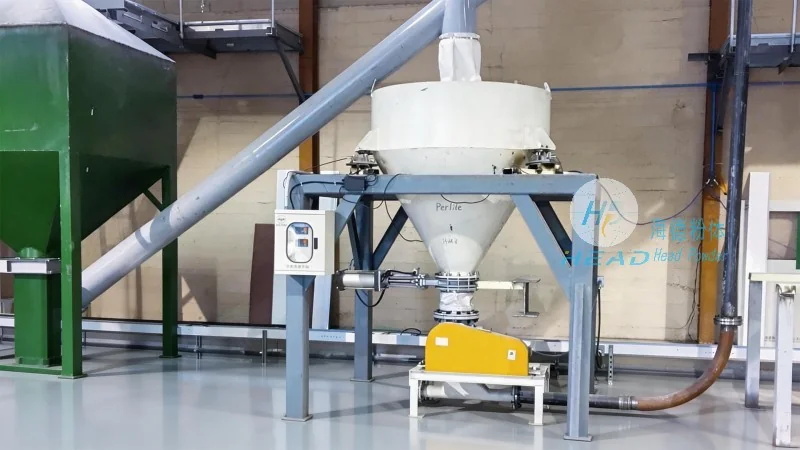
Straw powder pneumatic conveying is widely used in various industries that handle fine powders. In the agricultural sector, it is used for transporting straw powder from storage facilities to processing plants, such as for biofuel production or animal feed manufacturing. In the food industry, it is employed in the production of straw-based products, like straw flour or straw-based snacks, where maintaining product quality and preventing contamination is paramount. The pharmaceutical industry also utilizes pneumatic conveying for handling straw-derived powders in the production of herbal supplements or natural ingredients. Additionally, in the chemical and industrial sectors, straw powder is used as a raw material for various products, and pneumatic conveying ensures efficient and safe transport of these materials.
Choosing the Right Straw Powder Conveying System
When selecting a straw powder conveying system, several factors must be considered to ensure the best fit for a specific application. The first consideration is the material characteristics, such as particle size, moisture content, and abrasiveness. These factors influence the choice of conveying system and components. For example, fine and abrasive straw powders may require more robust components, such as high-quality filters and wear-resistant pipelines. The second factor is the required conveying capacity and distance. The system must be capable of handling the desired volume of material over the specified distance without losing efficiency or causing blockages. The third factor is the operational environment, including space constraints and environmental regulations. The system should be designed to fit within the available space and comply with local regulations regarding dust control and emissions. Finally, the cost of the system and its maintenance should be considered, as these factors can impact the overall operational costs over time.
Conclusion: The Importance of Selecting the Right Conveying Method
In conclusion, the choice of straw powder conveying method significantly impacts the efficiency and effectiveness of material handling processes. While traditional methods like screw and belt conveyors have their uses, pneumatic conveying offers superior advantages, especially for fine, dusty materials like straw powder. The enclosed system, flexibility, and low maintenance requirements make pneumatic conveying a reliable and cost-effective solution. By understanding the different methods and their applications, businesses can make informed decisions that optimize their operations and ensure long-term success. For those seeking a reliable solution for straw powder transport, companies like Shandong HeadPowder Engineering Co., Ltd. offer specialized systems tailored to meet specific industry needs, providing high-quality equipment and support to enhance operational performance.




