

Several Solutions for Pneumatic Conveying of Bone Powder
For the efficient and reliable transportation of bone powder, various pneumatic conveying solutions are available, each tailored to specific operational requirements and material characteristics. This article explores several effective approaches to bone powder pneumatic conveying, highlighting the technical considerations and practical applications.
Understanding Pneumatic Conveying Systems for Bone Powder
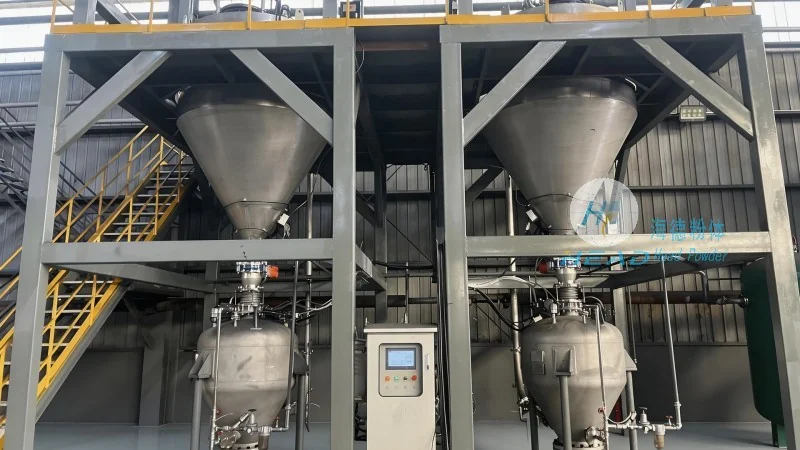
Bone powder, often used in animal feed, pharmaceuticals, and other industrial applications, presents unique challenges during material handling due to its fine particle size and potential for dust generation. Pneumatic conveying systems offer a dust-free and hygienic method to transport bone powder compared to traditional mechanical conveying methods. The choice of system depends on factors such as the distance of transport, the volume of material, and the required level of cleanliness.
Key Factors Influencing Pneumatic Conveying Solutions
Before selecting a pneumatic conveying system for bone powder, it is essential to consider several key factors. The first is the distance and layout of the conveying line, as different systems are optimized for short, medium, or long distances. For short to medium distances, positive pressure systems are often preferred due to their simplicity and lower energy consumption. Long-distance applications may require negative pressure or mixed systems to maintain material flow efficiency. Another critical factor is the material's flowability and moisture content, as these affect the system's pressure drop and power requirements. Additionally, the need for dust control and environmental compliance plays a significant role in system selection, especially in industries where hygiene and safety are paramount.
Option 1: Positive Pressure Pneumatic Conveying
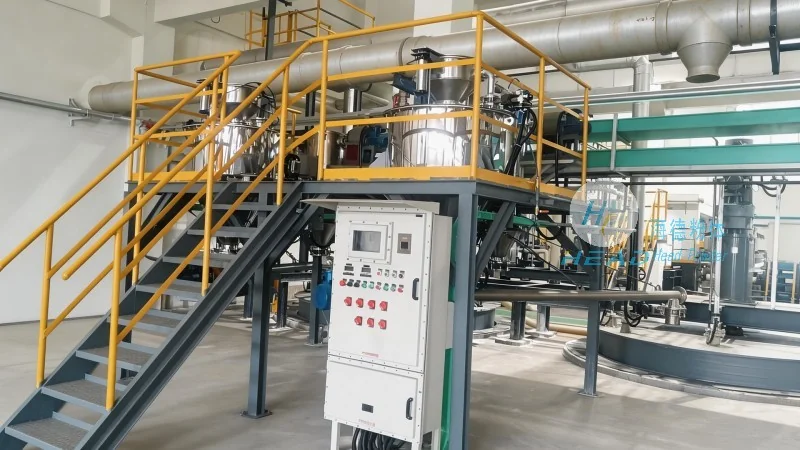
Positive pressure pneumatic conveying systems are widely used for bone powder transport, particularly in applications where the conveying distance is relatively short (typically up to 100 meters). In this system, air is supplied under pressure at the material inlet, and the material is drawn into the conveying line by the moving air stream. The system typically consists of a blower, a hopper, a feeder, and a pipeline. The blower generates the necessary pressure to move the material, while the feeder controls the flow rate to maintain consistent material transport. Positive pressure systems are known for their low maintenance requirements and ability to handle abrasive materials like bone powder without significant wear on components. They are also suitable for applications where the material needs to be discharged into a clean environment, as the system can be designed with sealed discharge points to prevent dust leakage.
Option 2: Negative Pressure Pneumatic Conveying
Negative pressure (or vacuum) pneumatic conveying systems are ideal for transporting bone powder over longer distances or when the material needs to be collected from multiple points. In this system, a vacuum is created at the material discharge point, and the material is drawn into the conveying line by the suction created by the vacuum pump. The system operates by using a vacuum to pull the material from the source, which is then transported through the pipeline to the destination. Negative pressure systems are particularly effective for applications where the material is to be collected from a hopper or silo and transported to a processing facility. They are also suitable for handling materials that are sensitive to pressure, as the system maintains a lower pressure environment compared to positive pressure systems. However, negative pressure systems require more robust filtration and dust collection equipment to prevent air leakage and maintain air quality.
Option 3: Mixed Pressure Pneumatic Conveying
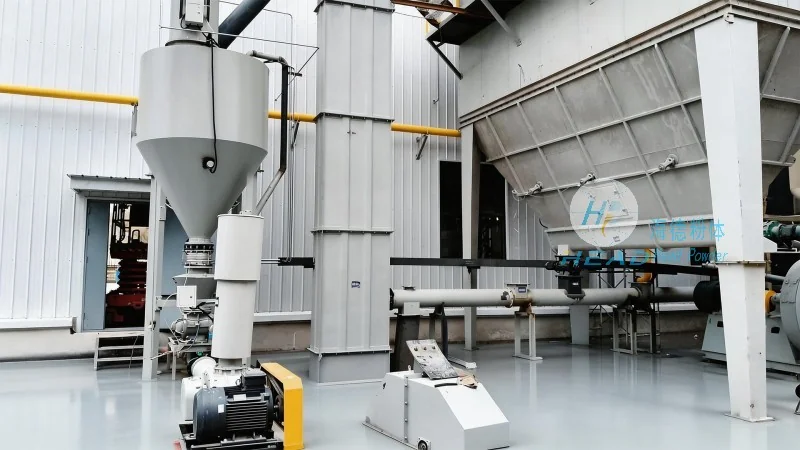
Mixed pressure (or combined) pneumatic conveying systems combine the advantages of both positive and negative pressure systems, making them suitable for a wide range of bone powder transport applications. These systems use a combination of pressure and vacuum to transport material over medium to long distances. The system typically starts with a positive pressure section to move the material from the source to a central point, and then switches to a negative pressure section to transport the material from the central point to the destination. This hybrid approach allows for efficient material handling while minimizing energy consumption and wear on components. Mixed pressure systems are particularly useful in complex layouts where the material needs to be transported from multiple sources to a single destination or vice versa. They are also suitable for applications where the material's flowability varies, as the system can be adjusted to maintain consistent material transport.
Design Considerations for Bone Powder Pneumatic Conveying
When designing a pneumatic conveying system for bone powder, several design considerations must be taken into account to ensure optimal performance and longevity. First, the pipeline diameter and length must be carefully selected to minimize pressure drop and maintain material velocity. The material velocity should be sufficient to prevent material settling and blockages but not so high as to cause excessive wear on the pipeline and components. Second, the system's air flow rate and pressure must be matched to the material's flow characteristics, as bone powder can be prone to bridging and caking, which can affect the system's efficiency. Third, the use of appropriate filters and dust collection equipment is crucial to maintain air quality and comply with environmental regulations. The filters should be designed to handle fine bone powder particles and be easily accessible for maintenance. Fourth, the system's control system should be equipped with sensors to monitor pressure, flow rate, and material level, allowing for real-time adjustments and troubleshooting.
Maintenance and Operational Tips for Bone Powder Pneumatic Conveying Systems
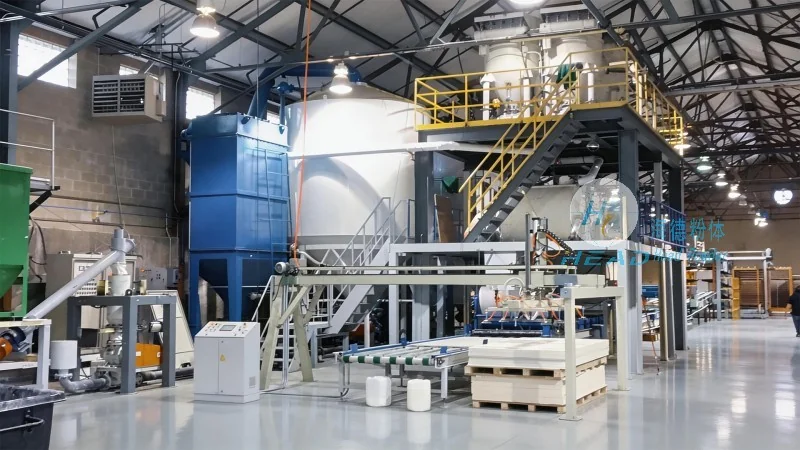
Proper maintenance and operational practices are essential to ensure the long-term reliability and efficiency of bone powder pneumatic conveying systems. Regular maintenance should include checking and replacing worn components such as blower impellers, pipeline elbows, and feeder parts. The system's air filters should be inspected and cleaned or replaced regularly to prevent clogging and maintain air quality. Additionally, the material feed should be monitored to ensure consistent flow rates and prevent overloading the system. If the system experiences frequent blockages or pressure drops, it may indicate issues with material flowability or pipeline design, which should be addressed promptly. Proper training of operators on the system's operation and maintenance is also critical to prevent accidents and ensure optimal performance.
Conclusion
Choosing the right pneumatic conveying solution for bone powder is crucial for efficient material handling and operational success. Whether using positive pressure, negative pressure, or mixed pressure systems, each approach has its advantages and is suitable for specific applications. By considering factors such as distance, material characteristics, and operational requirements, companies can select the most appropriate system to meet their needs. With proper design, maintenance, and operation, pneumatic conveying systems can provide a reliable and cost-effective method for transporting bone powder, contributing to improved productivity and safety in industrial applications.