Pharmaceutical powder handling is a critical aspect of modern pharmaceutical manufacturing, ensuring the efficient and safe transport of powders from one stage of production to another. This article provides an overview of the structural principles and operational mechanics involved in pharmaceutical powder transport systems, highlighting the importance of precision and reliability in maintaining product quality and regulatory compliance.
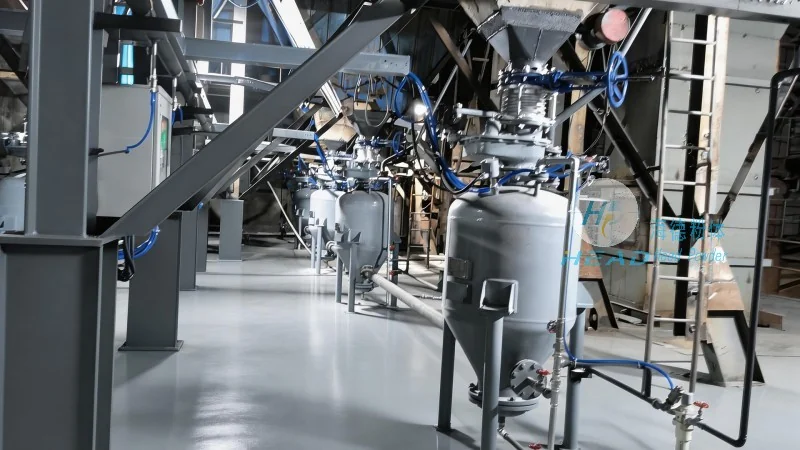
Company Overview: HeadPowder Engineering
HeadPowder, a leading manufacturer in the field, specializes in the design and development of advanced powder handling solutions tailored to the pharmaceutical industry. With a strong presence in Shandong, China, the company combines technical expertise and industry experience to deliver innovative equipment that meets the stringent requirements of pharmaceutical manufacturing. The company's commitment to quality and customer satisfaction has established it as a trusted partner for pharmaceutical companies worldwide.
Structural Principles of Pharmaceutical Powder Transport Systems
The core of pharmaceutical powder handling systems lies in their structural design, which is engineered to address the unique challenges of handling powders. These systems typically consist of several key components, including feeders, conveyors, and control mechanisms, all integrated to ensure smooth and controlled movement of powders. The structural design emphasizes durability, hygiene, and ease of maintenance, which are essential for meeting the high standards of the pharmaceutical industry.
Key Components and Their Functions
1. Feeders: Feeders are responsible for accurately controlling the flow rate of powders into the transport system. Various types of feeders, such as volumetric and gravimetric feeders, are used depending on the specific requirements of the application. These components ensure consistent and precise dosing, which is crucial for maintaining product uniformity and quality.
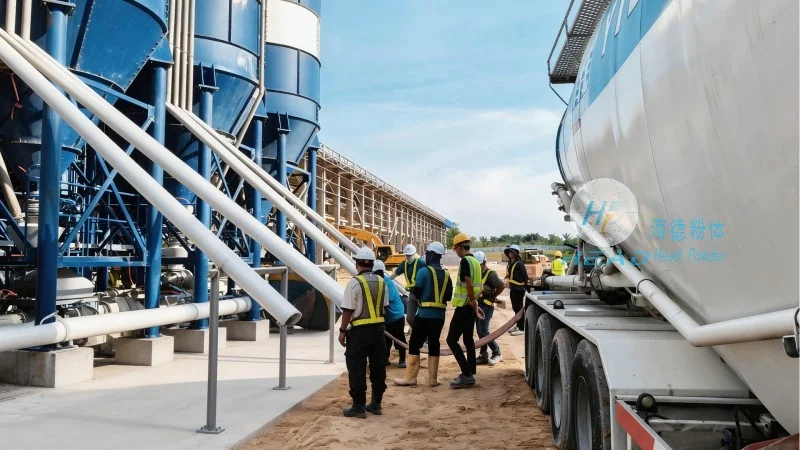
2. Conveyors: Conveyors are the primary means of transporting powders through the system. Different types of conveyors, including pneumatic and mechanical systems, are employed based on the properties of the powder and the production environment. Pneumatic conveyors use air to move powders, offering advantages like flexibility and low maintenance, while mechanical conveyors provide a more direct and controlled transport method.
Operational Mechanics and Control Systems
The operational mechanics of pharmaceutical powder transport systems involve sophisticated control systems that monitor and regulate the flow of powders. These systems use sensors and feedback mechanisms to adjust the speed of feeders and conveyors in real-time, ensuring that the powder flow remains stable and consistent. The control systems also include safety features to prevent overloading or blockages, which could lead to product contamination or equipment damage.
Importance of Hygiene and Compliance
In the pharmaceutical industry, maintaining hygiene and compliance with regulatory standards is paramount. Pharmaceutical powder handling systems are designed with cleanability and sterilization in mind, featuring smooth surfaces and easy-to-clean components. The structural design minimizes dead zones where powders can accumulate, reducing the risk of contamination. Additionally, the systems are built to comply with industry standards such as GMP (Good Manufacturing Practice), ensuring that they meet the highest quality and safety requirements.
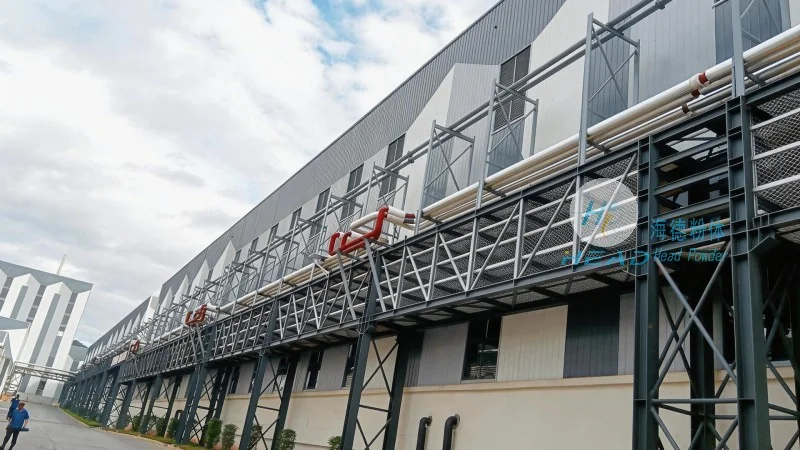
Applications in Pharmaceutical Manufacturing
Pharmaceutical powder handling systems are widely used in various stages of pharmaceutical manufacturing, including raw material handling, blending, and packaging. In raw material handling, these systems ensure that raw powders are accurately measured and transported to the blending stage. During blending, the systems help maintain consistent powder ratios, which is critical for achieving the desired product formulation. Finally, in the packaging stage, the systems ensure that the final product is accurately filled and sealed, maintaining product integrity throughout the process.
Advantages of Advanced Powder Handling Solutions
Advanced pharmaceutical powder handling solutions offer several advantages over traditional methods. These include improved efficiency, reduced product loss, and enhanced safety. The use of precise control systems minimizes waste and ensures that the correct amount of powder is used in each batch. Additionally, the advanced design of these systems reduces the risk of cross-contamination, which is a major concern in pharmaceutical manufacturing. The result is a more reliable and cost-effective production process that meets the demands of modern pharmaceutical companies.
Conclusion
Pharmaceutical powder handling is a complex but essential process in pharmaceutical manufacturing. The structural principles and operational mechanics of powder transport systems play a vital role in ensuring the quality and safety of pharmaceutical products. Companies like HeadPowder Engineering, with their expertise and innovative solutions, are instrumental in advancing the capabilities of pharmaceutical powder handling systems. By understanding and implementing these principles, pharmaceutical manufacturers can enhance their production processes, meet regulatory requirements, and deliver high-quality products to patients worldwide.




