Small bean powder handling systems are critical in industrial applications where efficient and reliable transport of bulk powders is required. These systems, often referred to as powder conveying systems, utilize specialized equipment to move materials like small bean powders through pipelines or other conduits. Understanding the structural principles and operational mechanisms of such systems is essential for optimizing performance, ensuring safety, and maintaining productivity in various industries.
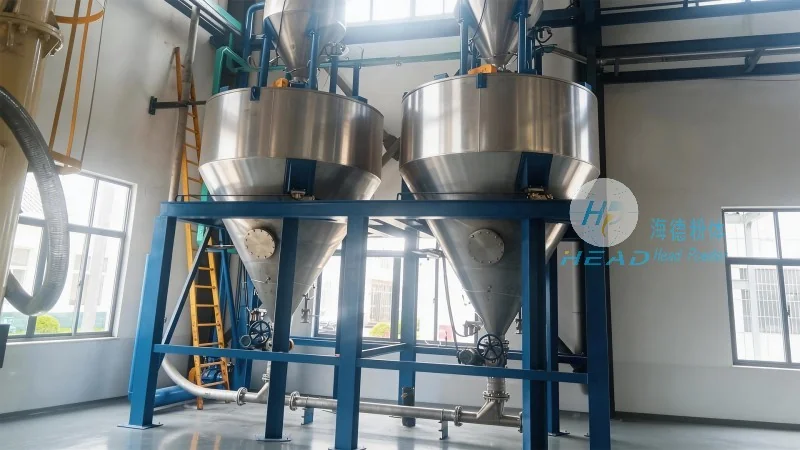
About Shandong HeadPowder Engineering Co., Ltd.
HeadPowder, the professional brand of Shandong HeadPowder Engineering Co., Ltd., is a leading provider of advanced powder handling solutions. The company specializes in the design, manufacturing, and integration of customized systems tailored to meet the unique demands of clients across diverse sectors. HeadPowder's expertise lies in developing innovative and precision-engineered equipment that ensures efficient, safe, and cost-effective powder transport. The company is headquartered in Shandong, China, leveraging local manufacturing capabilities and technical resources to deliver high-quality products and services. With a strong commitment to quality and customer satisfaction, HeadPowder has established itself as a trusted partner in the powder handling industry.
Core Components of Small Bean Powder Conveying Systems
The structural design of small bean powder conveying systems typically incorporates several key components that work in unison to achieve effective material transport. These components are engineered to accommodate the specific characteristics of small bean powders, including particle size, density, flowability, and moisture content. The primary components include a feeding mechanism, a conveying device, a control system, and a discharge unit. Each component plays a vital role in the overall functionality and efficiency of the system.
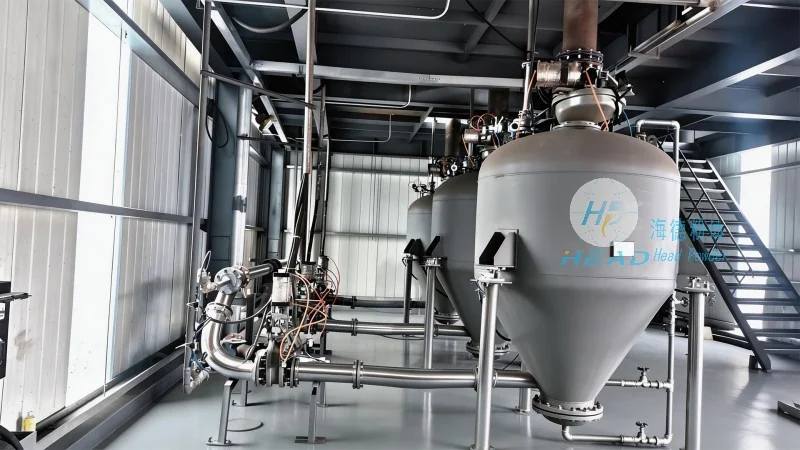
Feeding Mechanism
The feeding mechanism is responsible for introducing the small bean powder into the conveying system. This component ensures a consistent and controlled flow of material into the pipeline, preventing blockages and maintaining system efficiency. Common feeding methods include screw feeders, rotary valves (star valves), and pneumatic feeders. Screw feeders utilize a rotating screw to push the powder forward, providing a steady flow rate suitable for materials with moderate flowability. Rotary valves use a rotating star-shaped mechanism to control the flow, offering precise regulation and the ability to handle materials with varying characteristics. Pneumatic feeders employ compressed air to blow the powder into the system, which is ideal for materials with low flowability or high moisture content. The selection of the feeding mechanism depends on factors such as the powder's properties, required flow rate, and system design. Proper feeding is critical to avoid overloading the conveying device and to maintain consistent pressure and flow within the system.
Conveying Device
The conveying device is the core of the small bean powder handling system, responsible for transporting the powder from the inlet to the outlet. There are two main categories of conveying devices: pneumatic and mechanical. Pneumatic conveying systems use air or other gases to move the powder, typically through a pipeline. These systems are further classified as dilute-phase or dense-phase, depending on the air-to-powder ratio. Dilute-phase systems use low air pressure and high flow rates, suitable for short-distance transport. Dense-phase systems use higher air pressure and lower flow rates, ideal for long-distance transport with minimal pressure loss. Mechanical conveying systems rely on mechanical components such as belts, buckets, or screws to move the powder. Belt conveyors are commonly used for horizontal or slight incline transport, while bucket elevators are suitable for vertical transport. The choice of conveying device is based on factors like the distance to be covered, the material's characteristics, and the required flow rate. Advanced systems may incorporate multiple conveying stages or hybrid designs to achieve optimal performance.
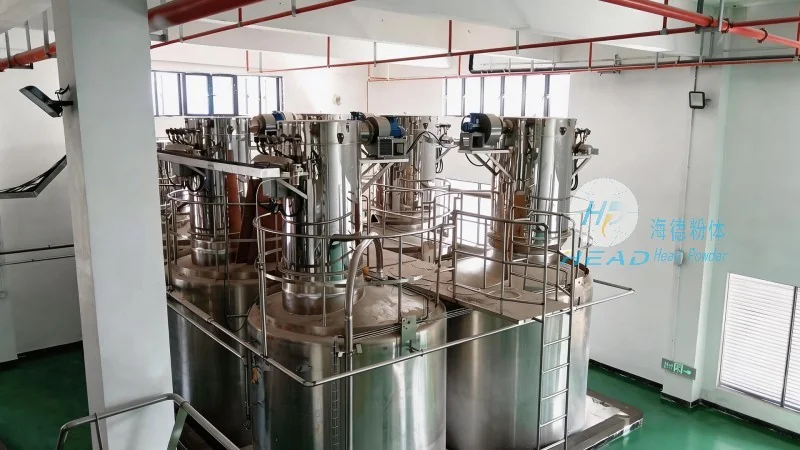
Control System
The control system manages the operation of the entire small bean powder conveying system, monitoring and adjusting key parameters to ensure efficient and safe operation. Modern control systems often utilize programmable logic controllers (PLCs), sensors, and digital control technology to provide precise control and automation. The control system monitors parameters such as pressure, flow rate, temperature, and level, and adjusts the system's performance as needed. For example, if the pressure in the pipeline drops, the control system may increase the air flow or adjust the feeding rate to maintain optimal conditions. Safety features are also integrated into the control system to prevent overpressure, underflow, or other operational issues that could lead to system failure or material damage. By automating the control process, the system can operate with minimal human intervention, reducing downtime and maintenance requirements. The control system also provides data logging and reporting capabilities, allowing operators to track system performance and identify areas for improvement.
Discharge Unit
The discharge unit is responsible for releasing the small bean powder from the conveying system at the desired location. This component ensures that the powder is discharged smoothly and without causing blockages or spillage. Common discharge methods include rotary valves, slide gates, and pneumatic discharge devices. Rotary valves use a rotating mechanism to control the flow, providing precise regulation and preventing material buildup. Slide gates are used for larger discharge volumes and can be adjusted to control the flow rate. Pneumatic discharge devices use compressed air to blow the powder out of the system, suitable for materials with low flowability. The design of the discharge unit is critical to maintain consistent flow and prevent contamination or degradation of the powder. Proper discharge is essential for maintaining the efficiency of the system and ensuring that the powder is delivered to the next stage of the process without loss or degradation.
Structural Principles and Operational Efficiency
The structural principles of small bean powder conveying systems are based on fundamental engineering concepts, including fluid dynamics, material science, and mechanical design. These principles guide the design and operation of the system to achieve optimal performance. Key principles include maintaining consistent pressure and flow rates, preventing material segregation, and minimizing energy consumption. The structural design also considers factors such as corrosion resistance, wear resistance, and ease of maintenance. For example, the use of materials like stainless steel or special alloys can enhance corrosion resistance, while wear-resistant coatings can extend the lifespan of components. By adhering to these principles, the system can achieve high efficiency, reliability, and longevity. Operational efficiency is further enhanced by the integration of advanced control technology, which allows for real-time monitoring and adjustment of system parameters. This ensures that the system operates at peak performance, minimizing energy waste and maximizing productivity.
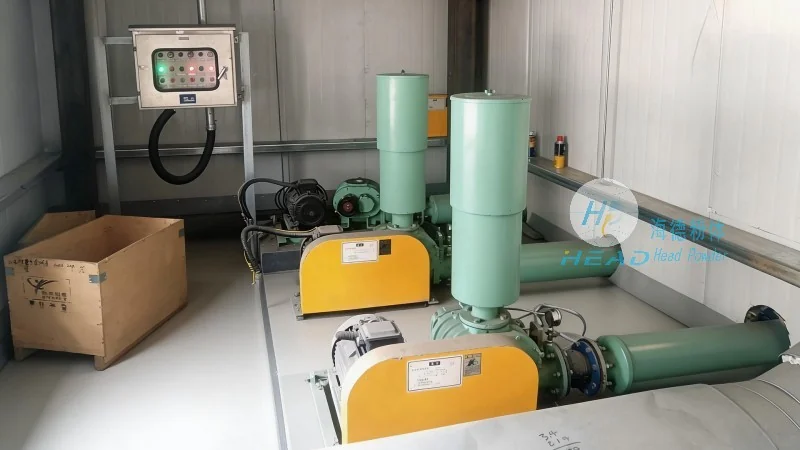
Applications and Industry Impact
Small bean powder conveying systems are widely used in various industries, including food processing, pharmaceuticals, chemicals, and mining. In the food industry, these systems are used to transport ingredients like small bean powders for processing into various products such as snacks, beverages, and baked goods. The efficiency of the system is crucial for maintaining product quality and consistency. In pharmaceuticals, they are used to handle powders for drug manufacturing, ensuring precise dosing and quality control. The reliability of the system is critical in this sector, as any contamination or variation in powder flow can affect the final product. In the chemical industry, they are used to transport raw materials and finished products, supporting production processes and ensuring smooth operations. The mining industry also utilizes these systems to transport minerals and ores, contributing to the extraction and processing of raw materials. The efficiency and reliability of small bean powder conveying systems contribute significantly to the productivity and profitability of these industries. By optimizing powder handling, companies can reduce operational costs, improve product quality, and enhance overall operational efficiency. For example, in the food industry, efficient powder transport can reduce waste and improve production throughput, leading to higher profits. In the pharmaceutical industry, reliable powder handling ensures compliance with regulatory standards and maintains product safety.
Conclusion
In conclusion, small bean powder handling systems are sophisticated industrial solutions that combine advanced engineering and technology to achieve efficient material transport. The structural principles and operational mechanisms of these systems are designed to meet the specific needs of different industries, ensuring reliable and safe operation. HeadPowder, as a leading provider in this field, continues to innovate and develop cutting-edge solutions that enhance the performance and productivity of powder handling processes. With its expertise in design, manufacturing, and integration, HeadPowder plays a vital role in supporting the growth and success of industries that rely on efficient powder transport. The company's commitment to quality, innovation, and customer satisfaction ensures that clients receive systems that are tailored to their specific requirements and deliver long-term value. As industries continue to evolve and demand more efficient and sustainable solutions, the role of small bean powder handling systems will remain critical, and companies like HeadPowder will continue to lead the way in providing advanced and reliable solutions.




