For industries dealing with cassava powder, efficient and reliable conveying systems are crucial for maintaining production efficiency and product quality. This article provides an overview of cassava powder conveying systems, focusing on their structural design and operational principles, to help professionals in the field understand the technology better.
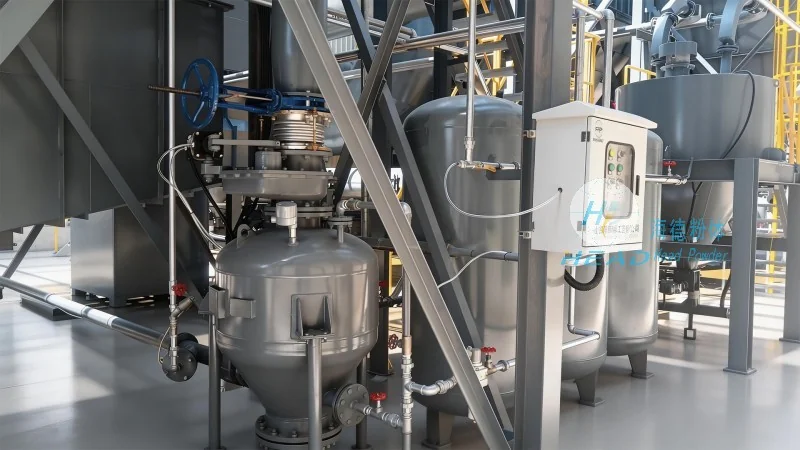
Understanding Cassava Powder Conveying Systems
Cassava powder, also known as tapioca starch, is a widely used raw material in food, pharmaceutical, and industrial applications. The handling of this fine powder requires specialized equipment to prevent issues like caking, agglomeration, and dust generation. Conveying systems designed for cassava powder must address these challenges while ensuring smooth material flow and minimal product degradation.
Key Components of Cassava Powder Conveying Systems
The core components of a cassava powder conveying system typically include feeders, conveyors, and control mechanisms. Feeders are responsible for accurately metering the powder into the system, ensuring consistent flow rates. Conveyors, such as pneumatic or mechanical systems, transport the powder from one location to another. Control systems monitor and adjust the process parameters to maintain optimal performance.
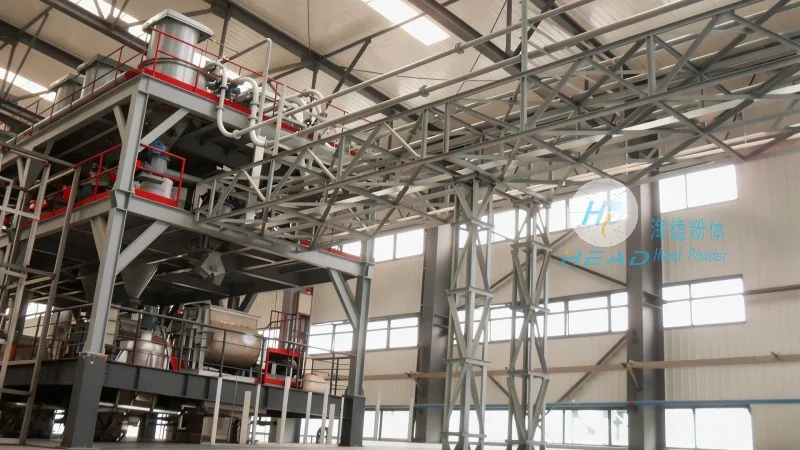
Structural Design and Working Principles
HeadPowder Engineering Co., Ltd., a leading manufacturer based in Shandong, China, specializes in designing and manufacturing advanced cassava powder conveying systems. Their systems are engineered with a focus on durability, efficiency, and safety. The structural design incorporates features like smooth surfaces to prevent powder buildup and corrosion-resistant materials to withstand the abrasive nature of cassava powder.
The working principle of these systems often involves a combination of air and mechanical forces. Pneumatic conveying systems use compressed air to transport the powder through a network of pipes, while mechanical systems rely on screw conveyors or belt conveyors. The choice of system depends on factors like the powder's properties, the distance to be conveyed, and the required flow rate.
Advantages of Advanced Cassava Powder Conveying Systems
Modern cassava powder conveying systems offer several advantages over traditional methods. They reduce labor costs by automating the material handling process, minimize product contamination through enclosed systems, and improve overall production efficiency. Additionally, these systems can be integrated with other processing equipment, creating a seamless workflow from raw material to finished product.
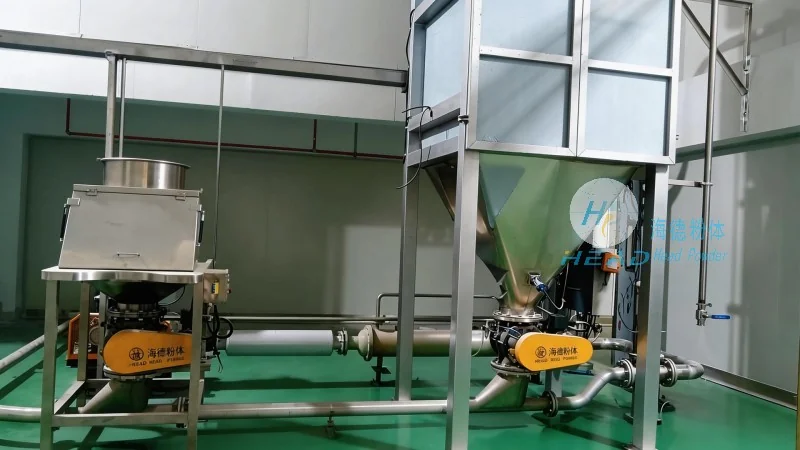
Applications in Different Industries
Cassava powder conveying systems are used in various industries, including food processing, where they help in the production of starch-based products like tapioca pearls and flour. In the pharmaceutical industry, these systems ensure the safe and hygienic handling of starch powders used in drug formulations. Industrial applications also benefit from the consistent flow and low maintenance requirements of these systems.
Conclusion
Efficient cassava powder conveying systems are essential for industries that rely on this versatile raw material. With advanced structural designs and working principles, manufacturers like Shandong HeadPowder Engineering Co., Ltd. provide solutions that meet the demands of modern production. By understanding the components and benefits of these systems, businesses can enhance their operational efficiency and product quality.




