For the production of fermented grain products, efficient and reliable powder conveying systems are crucial to ensure the smooth flow of raw materials and maintain product quality. This article provides an overview of the structure and working principles of fermented grain powder conveying systems, focusing on the technical aspects and design considerations that contribute to their effectiveness.
Introduction to Fermented Grain Powder Conveying Systems
Fermented grain powder, such as those used in traditional brewing and distilling processes, requires specialized handling due to its fine particle size and potential for caking or agglomeration. Conventional conveying methods may struggle with these characteristics, leading to blockages, uneven flow, or contamination. The fermented grain powder conveying systems developed by Shandong HeadPowder Engineering Co., Ltd. address these challenges through innovative design and robust engineering solutions.
Key Components and Structural Design
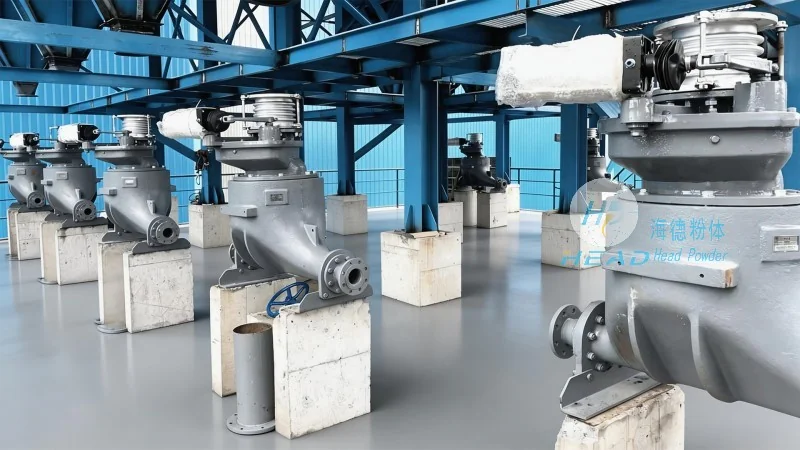
The core structure of a fermented grain powder conveying system typically includes several key components that work in concert to ensure efficient material transport. These components are engineered to handle the unique properties of fermented grain powders, such as high moisture content, variable particle size distribution, and susceptibility to static electricity. The system generally comprises a hopper for material storage, a feeding mechanism to control the flow rate, a conveying tube or channel, and a discharge unit for delivering the material to the next processing stage.
Material hoppers are designed with sloped walls and sometimes internal baffles to prevent material bridging and ensure uniform discharge. The feeding mechanism, often a rotary valve or screw feeder, regulates the flow of powder into the conveying line. This component is critical for maintaining consistent flow rates and preventing overloading of the conveyor. The conveying tube itself is constructed from materials resistant to corrosion and abrasion, such as stainless steel or specialized plastics, to withstand the abrasive nature of fermented grain particles.
Working Principle of the Conveying System
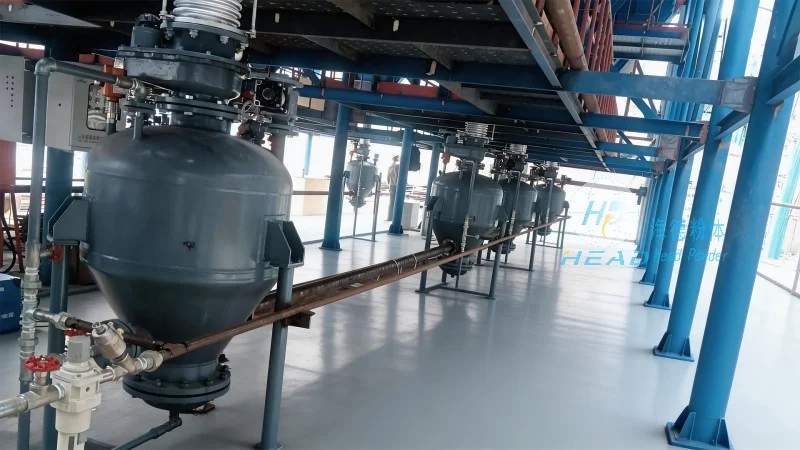
The operation of a fermented grain powder conveying system relies on a combination of mechanical forces to move the material through the system. Common methods include pneumatic conveying (air-assisted), mechanical conveying (screw or belt), and hybrid systems that combine both approaches. In pneumatic conveying, compressed air is used to create a flow of air and powder mixture through the conveying line. The air pressure and velocity are carefully controlled to ensure the powder particles are suspended and transported without clogging. Mechanical conveying systems, such as screw conveyors, use rotating screws to push the powder forward, leveraging the friction between the screw and the material to achieve movement.
For fermented grain powders, the choice of conveying method depends on factors like material properties, required conveying distance, and system efficiency. Pneumatic systems are particularly effective for fine powders that are prone to dusting or caking, as the air flow helps to break up agglomerates and maintain a consistent flow. Mechanical systems, on the other hand, offer advantages in terms of lower energy consumption and suitability for abrasive materials.
Engineering Considerations and Maintenance
Designing and maintaining a fermented grain powder conveying system requires attention to several engineering considerations to ensure long-term performance and reliability. One key factor is the prevention of material buildup and clogging, which can lead to system downtime and product loss. This is achieved through proper hopper design, regular cleaning protocols, and the use of anti-static materials to reduce the buildup of static charge on the powder particles.
Another critical aspect is the selection of appropriate sealing and wear-resistant components. Fermented grain powders can be abrasive and corrosive, especially when combined with moisture, which can degrade conveyor parts over time. Shandong HeadPowder Engineering Co., Ltd. incorporates high-quality materials and advanced sealing technologies in their systems to minimize wear and extend the operational life of the equipment.
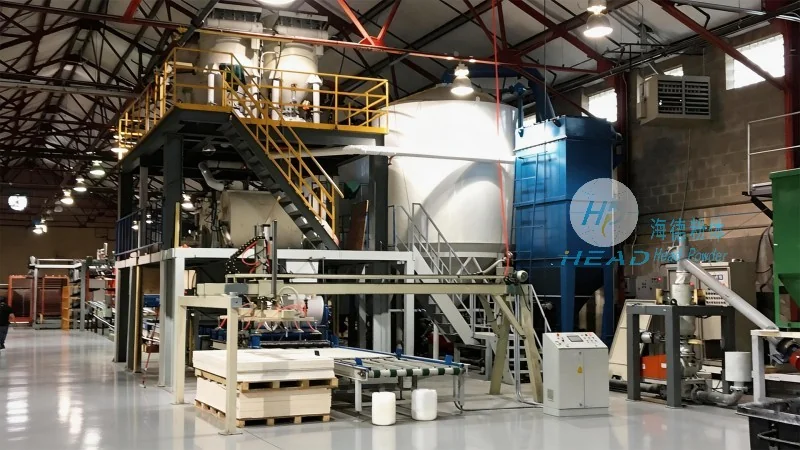
Maintenance of the conveying system involves routine inspections of components such as bearings, seals, and feeding mechanisms. Regular cleaning of the hopper and conveying line is also essential to prevent the accumulation of residual material, which can affect the quality of subsequent batches. The company provides comprehensive maintenance services and spare parts to support their clients in keeping their systems in optimal condition.
Application and Industry Impact
The fermented grain powder conveying systems developed by Shandong HeadPowder Engineering Co., Ltd. are widely used in the food and beverage industry, particularly in breweries, distilleries, and traditional fermented grain production facilities. By ensuring efficient and hygienic material transport, these systems contribute to improved production efficiency, reduced waste, and consistent product quality. The robust design and reliable performance of the systems help manufacturers maintain compliance with industry standards and regulations, particularly in terms of food safety and hygiene.
In conclusion, the structure and working principles of fermented grain powder conveying systems are critical to the success of fermented grain production processes. The innovative engineering solutions provided by Shandong HeadPowder Engineering Co., Ltd. address the unique challenges of handling these materials, ensuring that manufacturers can achieve optimal performance and maintain high standards of quality and safety.




