Cereal powder conveying systems are essential in the food processing industry, particularly for the efficient handling and transportation of dry, granular materials like cereal powders. These systems are designed to ensure reliable, low-dust, and energy-efficient movement of products from storage to processing or packaging stages. The technology behind these systems combines mechanical engineering principles with specialized components to address the unique challenges of handling fine, free-flowing powders, such as maintaining product integrity and preventing contamination.
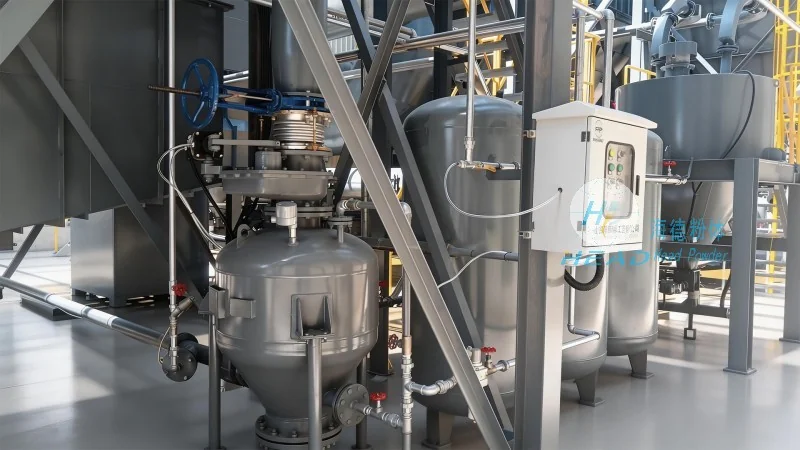
Key Components and Structure of Cereal Powder Conveying Systems
The core structure of a typical cereal powder conveying system includes several critical components that work in tandem to achieve effective material transport. At the heart of the system is the conveyor itself, which may be a screw conveyor, pneumatic conveyor, or a combination of both, depending on the specific application requirements. For screw conveyors, the design often features a helical screw rotating within a cylindrical tube, which pushes the powder forward through the system. Pneumatic conveyors, on the other hand, use air pressure to draw or push the powder through a pipeline network, making them ideal for applications requiring long-distance or high-velocity transport.
Supporting these primary components are various accessories that enhance the system's functionality and reliability. These include feeders, which regulate the flow of powder into the conveyor, ensuring consistent and controlled input. Hoppers and chutes are also integral, as they provide a smooth transition of material from storage bins or processing equipment to the conveyor inlet. Additionally, dust collection systems are often integrated to capture and filter airborne particles, maintaining a clean and safe working environment. The entire system is typically constructed from food-grade materials, such as stainless steel, to meet hygiene standards and prevent product contamination.
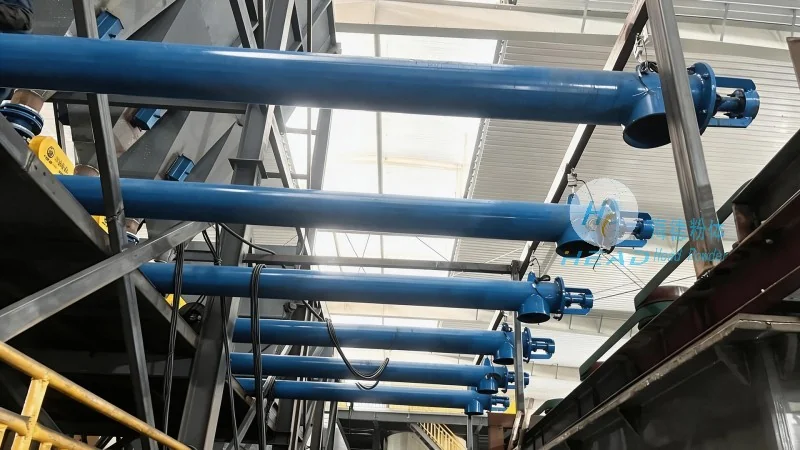
Working Principles of Cereal Powder Conveying Systems
The operational principle of a cereal powder conveying system revolves around the transfer of material through mechanical or pneumatic forces. In a screw conveyor system, the rotating screw (also known as a flighted shaft) creates a continuous, positive displacement action. As the screw rotates, it lifts the powder and moves it forward along the conveyor tube. The pitch and speed of the screw are carefully engineered to match the material's characteristics, such as bulk density and flowability, to ensure optimal performance without causing excessive pressure or product degradation. For pneumatic conveyors, the process involves generating a pressure differential using fans or blowers. The system draws the powder into the pipeline, where it is suspended in a stream of air and transported to the discharge point. The choice between positive and negative pressure systems depends on the distance and elevation changes required for the transport.
Both types of systems rely on the principle of maintaining a consistent flow rate and pressure to prevent blockages or material degradation. The design of the system, including the size of the conveyor tube, the speed of the screw or air flow, and the angle of the components, is crucial for achieving efficient and reliable operation. Regular maintenance and monitoring of these parameters are essential to ensure the system operates within its optimal range and to address any issues promptly.
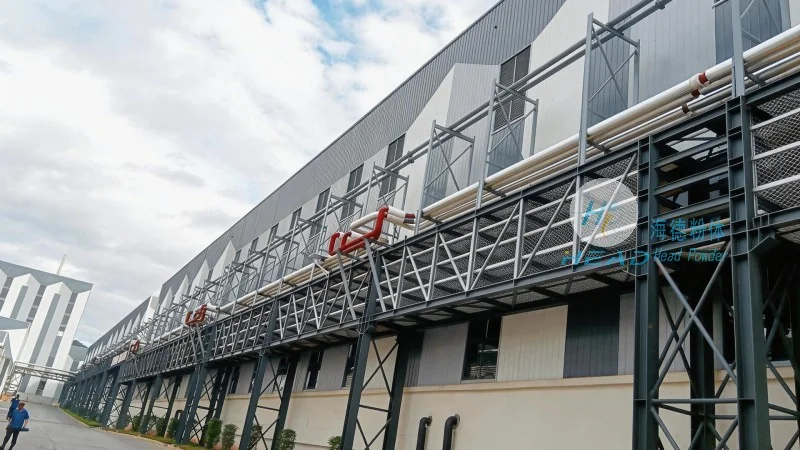
Applications and Benefits of Cereal Powder Conveying Systems
Cereal powder conveying systems are widely used in various food processing applications, including the production of breakfast cereals, snacks, and other dry food products. The primary benefits of these systems include improved efficiency in material handling, reduced labor costs, and enhanced product quality. By automating the transport process, manufacturers can achieve higher throughput and minimize the risk of human error or contamination. Additionally, the low-dust operation of modern conveying systems contributes to a safer working environment and compliance with regulatory standards.
The flexibility of these systems allows them to be adapted to different production scales and layouts. Whether for small-scale batch processing or large-scale continuous production lines, the conveying systems can be customized to meet specific requirements. The integration of dust collection and filtration systems further enhances the overall hygiene and safety of the operation, making them suitable for food-grade applications where product purity is paramount.
Company Profile: Shandong HeadPowder Engineering Co., Ltd.
HeadPowder, the Shandong-based engineering company, specializes in the design, manufacturing, and installation of advanced powder handling systems, including cereal powder conveying solutions. With a focus on innovation and customer-centric solutions, HeadPowder leverages its expertise in mechanical engineering and material science to deliver high-quality, reliable systems tailored to the needs of the food processing industry. The company's commitment to quality is reflected in its adherence to international standards and its use of food-grade materials in all product designs.
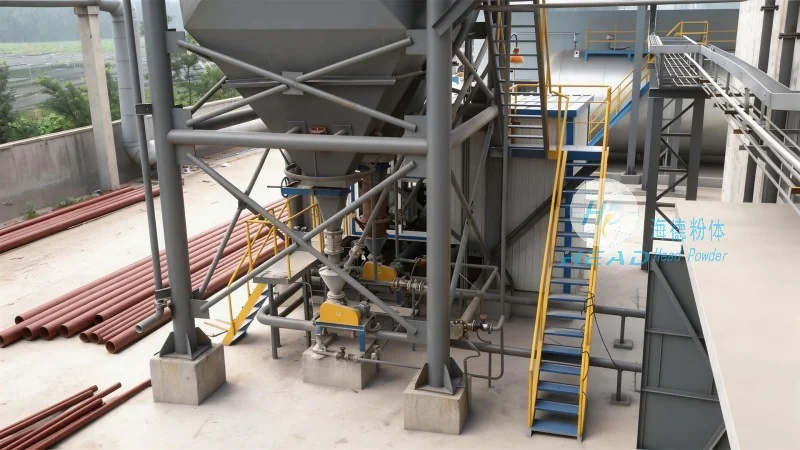
HeadPowder's team of experienced engineers and technicians works closely with clients to understand their specific challenges and requirements, providing customized solutions that enhance operational efficiency and product quality. The company's facilities in Shandong, China, are equipped with state-of-the-art technology and quality control measures to ensure that every system meets the highest standards before delivery. By partnering with HeadPowder, food manufacturers can benefit from advanced conveying technology that optimizes their production processes and ensures compliance with industry regulations.
Conclusion
Cereal powder conveying systems represent a critical component of modern food processing operations, offering efficient, reliable, and hygienic solutions for handling dry, granular materials. The combination of advanced mechanical design and specialized components ensures that these systems can meet the demands of high-volume production while maintaining product integrity and safety. As the food industry continues to evolve, the importance of efficient powder handling will only increase, making advanced conveying systems like those offered by HeadPowder essential for maintaining competitiveness and meeting consumer expectations.




