Multi-point feeding powder pneumatic conveying systems represent a sophisticated approach to material handling, particularly in industries where the efficient and reliable transport of bulk powders is critical. These systems are designed to handle a wide range of powder types, from fine to coarse particles, and are capable of transporting materials over significant distances with minimal degradation. The technology integrates multiple feeding points, allowing for simultaneous or sequential material input from various sources, enhancing operational flexibility and throughput. HeadPowder, a leading provider of engineering solutions, specializes in the design and implementation of such systems, leveraging advanced technology to meet the diverse needs of industrial clients.
Key Components and Their Functions
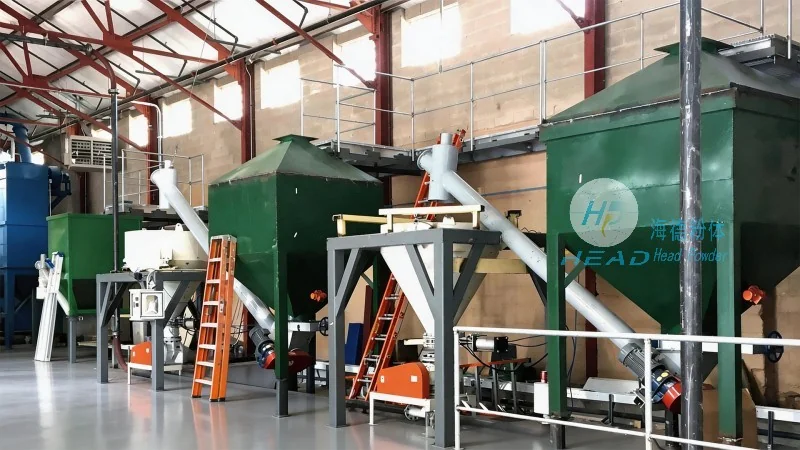
The core components of a multi-point feeding powder pneumatic conveying system include the feeding hoppers, air supply units, conveying lines, and receiving vessels. Each component plays a crucial role in the overall operation. The feeding hoppers are strategically positioned at multiple locations to receive material from different sources, ensuring a steady supply. The air supply units, typically equipped with high-pressure blowers or compressors, generate the necessary airflow to move the powder particles through the conveying lines. The conveying lines, often made of flexible or rigid tubing, transport the powder-air mixture from the feeding points to the collection or processing area. The receiving vessels are designed to safely contain the material after it has been conveyed, preventing spillage and ensuring proper storage.
Operation Process: Step-by-Step Overview
The operation of a multi-point feeding powder pneumatic conveying system follows a systematic process. Initially, material is fed into the hoppers from various sources. As the material accumulates, the air supply unit activates, generating a flow of air that entrains the powder particles. The air and powder mixture then travels through the conveying lines to the receiving vessel. The system may employ different modes of operation, such as pressure or vacuum conveying, depending on the specific requirements of the application. In pressure conveying, the air is forced through the system, while in vacuum conveying, a vacuum is created to draw the material. The multi-point feeding feature allows for the simultaneous feeding from multiple hoppers, which can be controlled independently to optimize the flow rate and prevent overloading any single section of the system.
Working Principle: How It Works
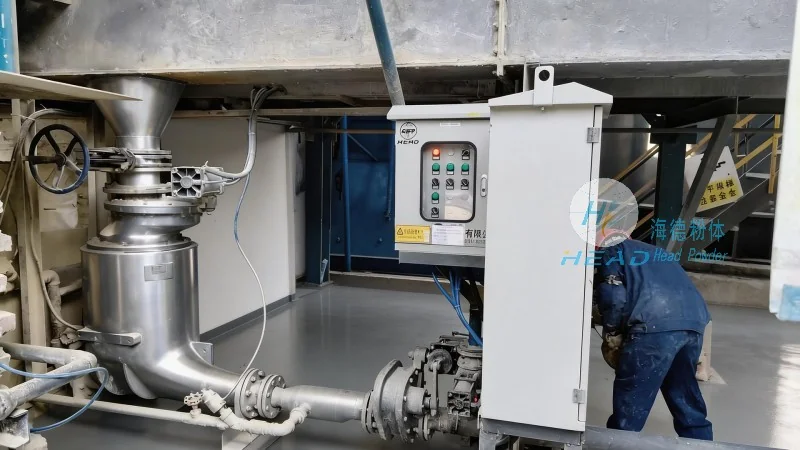
The working principle of multi-point feeding powder pneumatic conveying is based on the principle of fluidization and particle transport. When air is introduced into the conveying line at a sufficient velocity, it creates a fluidized state where the powder particles are suspended and transported as a slurry. The velocity of the air must be high enough to overcome the gravitational forces acting on the particles but not so high as to cause excessive wear or degradation of the material. The system utilizes a combination of pressure and velocity to achieve efficient transport. The feeding hoppers are designed to maintain a consistent material level, ensuring a continuous flow. The air supply is regulated to maintain the optimal air-to-powder ratio, which is critical for preventing blockages and ensuring smooth operation. The receiving vessel is equipped with a discharge mechanism, such as a rotary valve or a gate, to control the release of the conveyed material.
Advantages of Multi-Point Feeding Systems
Multi-point feeding powder pneumatic conveying systems offer several advantages over traditional single-point feeding systems. The primary benefit is the increased operational flexibility, as multiple feeding points allow for the handling of materials from different locations or batches simultaneously. This enhances throughput and reduces downtime. Additionally, the system can be configured to handle varying material types and sizes, making it suitable for diverse industrial applications. The use of pneumatic conveying also eliminates the need for mechanical components like conveyors or elevators, reducing maintenance requirements and the risk of material contamination. The system is also more energy-efficient compared to other bulk material handling methods, as it minimizes the use of moving parts and reduces energy consumption for material transport.
Applications in Industrial Settings
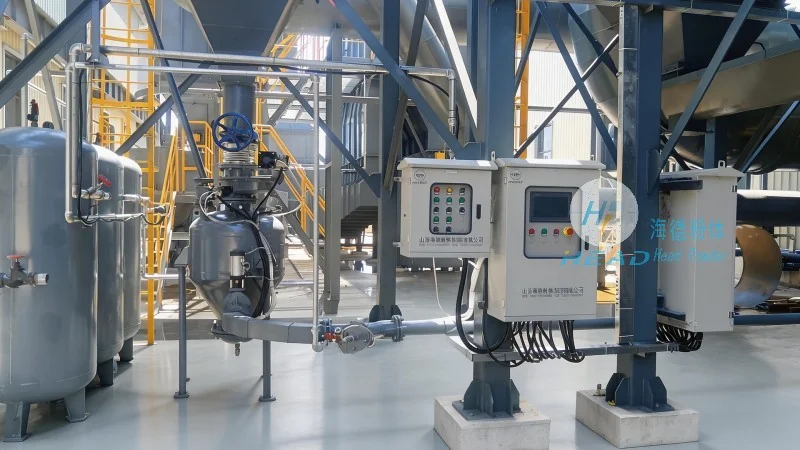
Multi-point feeding powder pneumatic conveying systems are widely used in various industries, including pharmaceuticals, food processing, chemical manufacturing, and mining. In the pharmaceutical industry, these systems are used to transport active pharmaceutical ingredients (APIs) and excipients with high precision and minimal contamination. The food processing industry utilizes them for handling powders like flour, sugar, and spices, ensuring hygienic and efficient transport. In chemical manufacturing, the systems are employed to convey bulk chemicals, preventing dust exposure and ensuring safe handling. The mining industry uses them to transport ore and other minerals from multiple extraction points to processing facilities. The versatility of multi-point feeding systems makes them suitable for a wide range of applications where reliable and efficient powder transport is essential.
Maintenance and Operational Considerations
Proper maintenance is crucial for the optimal performance and longevity of multi-point feeding powder pneumatic conveying systems. Regular inspection of the air supply units, conveying lines, and feeding hoppers is necessary to ensure they are free from blockages or damage. The air filters and moisture separators should be cleaned or replaced as needed to maintain air quality and prevent material degradation. The system's control mechanisms, such as the feeding hoppers' level sensors and the air supply's pressure regulators, should be checked regularly to ensure they are functioning correctly. Operational considerations include monitoring the air-to-powder ratio, as an imbalance can lead to blockages or reduced efficiency. Additionally, the system should be designed to handle the specific properties of the material being conveyed, such as particle size, density, and moisture content, to prevent issues like clogging or wear.




