

Operation Process and Working Principle of High-Pressure Pulse Powder Pneumatic Conveying
High-pressure pulse powder pneumatic conveying systems represent a sophisticated solution for the efficient and reliable transport of bulk powders over long distances or within industrial facilities. This technology, often associated with the brand name HeadPowder, is engineered by Shandong HeadPowder Engineering Co., Ltd., a company based in Shandong, China, specializing in advanced material handling solutions. The system combines high-pressure air pulses with precise control mechanisms to ensure optimal performance in various industrial applications.
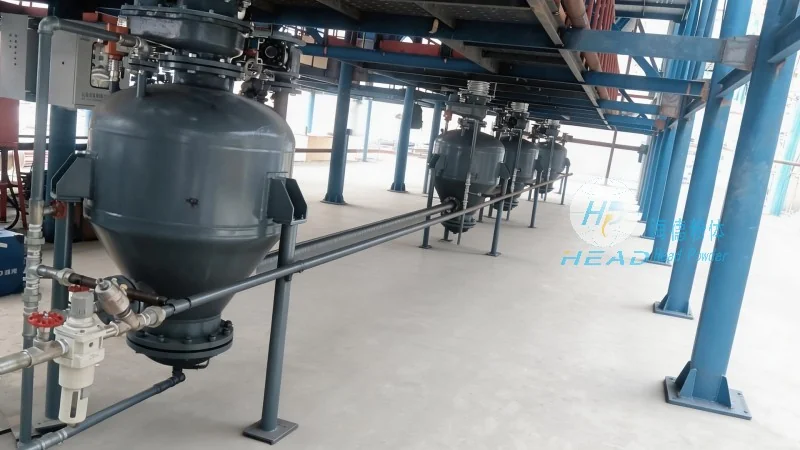
Understanding the Core Technology: High-Pressure Pulse Pneumatic Conveying
At the heart of high-pressure pulse powder pneumatic conveying lies the integration of high-pressure air delivery and pulse generation. The system typically operates by injecting high-pressure air into a pipeline, creating a series of rapid pressure pulses that propel the powder particles through the conveying line. This method differs from traditional low-pressure or continuous air flow systems, as it leverages the kinetic energy of the pulses to maintain particle suspension and prevent clogging. The design incorporates components such as pulse generators, air compressors, and specialized valves that work in tandem to deliver consistent and efficient material transport.
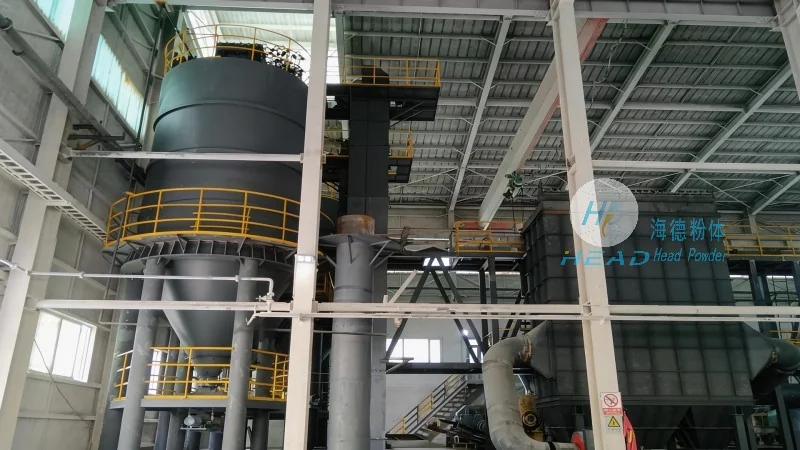
The Operational Process: Step-by-Step Execution
The operation of a high-pressure pulse powder pneumatic conveying system involves several key stages, each critical to ensuring smooth and reliable performance. Initially, the powder is fed into the system through a hopper or feeder, where it is introduced into the conveying line under controlled conditions. The high-pressure air pulses are then activated, creating a pressure wave that moves the powder particles along the pipeline. As the pulses continue, the system maintains a consistent flow rate, adjusting the air pressure and pulse frequency as needed to accommodate varying powder characteristics or system demands. The process concludes when the powder reaches its destination, such as a silo, storage tank, or processing unit, where it is discharged and collected. Throughout this process, the system's control mechanisms monitor parameters like pressure, flow rate, and particle velocity to optimize performance and prevent issues like blockages or uneven distribution.
Key Advantages and Applications
High-pressure pulse powder pneumatic conveying offers several advantages that make it suitable for diverse industrial applications. One of the primary benefits is its ability to handle a wide range of powder types, including fine, abrasive, or sticky materials, which are often challenging for other conveying methods. The high-pressure pulses ensure that particles remain suspended, reducing the risk of clogging and minimizing wear on system components. Additionally, the system is highly efficient in terms of energy consumption and space utilization, making it ideal for both large-scale industrial operations and smaller processing facilities. Common applications include the transport of cement, flour, pharmaceutical powders, and chemical additives, where reliability and precision are paramount.
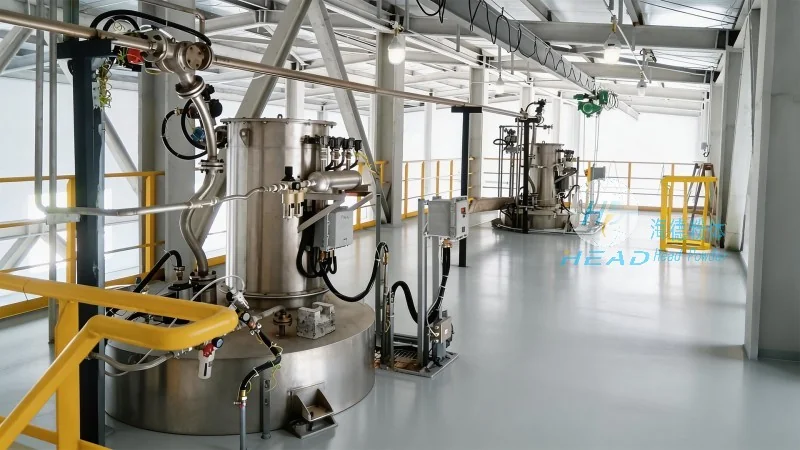
Company Background and Expertise
Shandong HeadPowder Engineering Co., Ltd., operating under the brand name HeadPowder, is a leading provider of advanced material handling solutions. With a focus on innovation and customer-centric design, the company has developed high-pressure pulse powder pneumatic conveying systems that meet the demanding requirements of modern industries. Based in Shandong, China, HeadPowder leverages local manufacturing capabilities and global expertise to deliver high-quality, reliable equipment that enhances operational efficiency and reduces downtime. The company's commitment to research and development ensures that its products remain at the forefront of technology, addressing the evolving needs of clients in various sectors.