

Operation Process and Working Principle of Wheat Bran Powder Pneumatic Conveying
Wheat bran powder, a valuable byproduct derived from the milling of wheat, is extensively utilized in the food, animal feed, and pharmaceutical sectors. The efficient and hygienic handling of this fine powder is paramount for maintaining product integrity and operational efficiency. Pneumatic conveying systems have emerged as a preferred method for transporting wheat bran powder due to their ability to minimize dust generation, prevent contamination, and ensure smooth material flow. This article delves into the operation process and underlying working principles of pneumatic conveying for wheat bran powder, providing insights into the technology's effectiveness and practical applications.
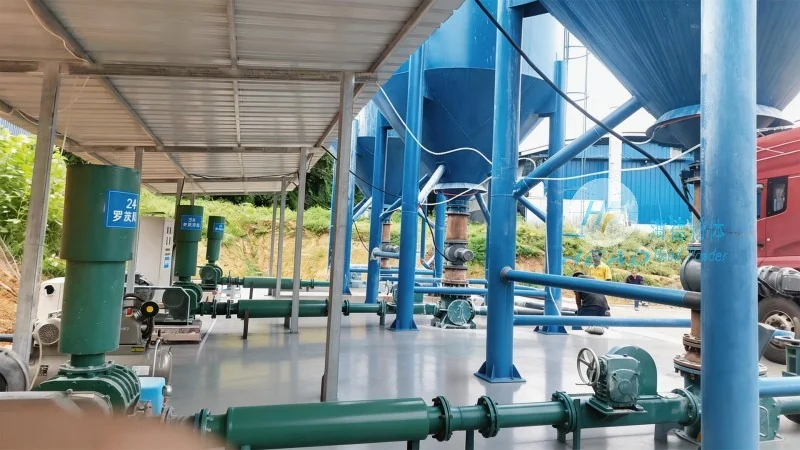
Company Overview: Shandong HeadPowder Engineering Co., Ltd.
Shandong HeadPowder Engineering Co., Ltd., operating under the brand name HeadPowder, is a prominent enterprise specializing in the design, manufacturing, and supply of advanced powder handling equipment. With a strong commitment to innovation and customer-centric solutions, HeadPowder has established itself as a trusted partner for industries dealing with fine powders. The company's expertise spans across various sectors, including food processing, chemical manufacturing, and pharmaceuticals, offering customized pneumatic conveying systems tailored to the unique requirements of each application. HeadPowder's state-of-the-art facilities and rigorous quality control processes ensure that every product meets the highest industry standards.
Core Components of Pneumatic Conveying Systems
A pneumatic conveying system for wheat bran powder comprises several essential components that work in concert to facilitate material transport. The primary components include a storage hopper, a controlled feeder, a conveyor line (operating under positive or negative pressure), a filtration system, and a discharge unit. The storage hopper serves as the initial container for the wheat bran powder, providing a consistent supply of material. The feeder, typically a rotary valve or a screw feeder, regulates the flow rate, preventing overloading or underflow. The conveyor line, made of materials such as stainless steel or plastic, is the main pathway for the powder and air mixture. The filtration system, often equipped with HEPA filters, captures any airborne particles, ensuring compliance with environmental regulations and maintaining product purity. The discharge unit delivers the powder to the processing unit, completing the conveying cycle.
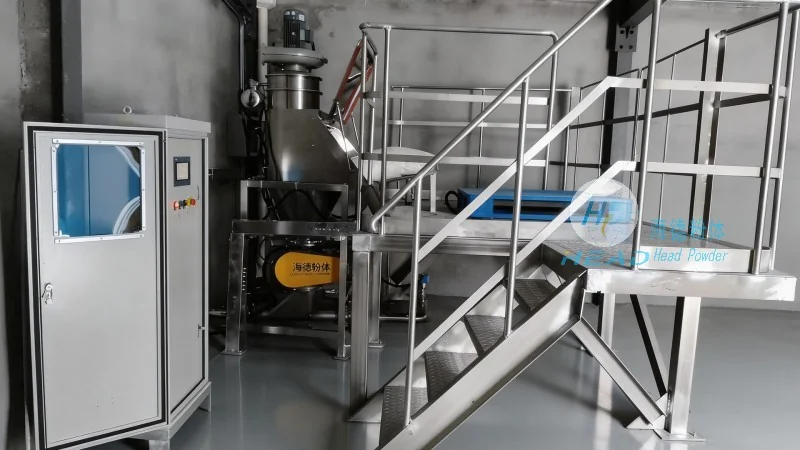
Working Principle of Pneumatic Conveying
The fundamental working principle of pneumatic conveying for wheat bran powder revolves around the interaction between air and the powder particles. In positive pressure systems, compressed air is introduced into the conveyor line, creating a pressure higher than the ambient environment. This pressure differential propels the powder particles forward, suspending them in the air stream. The powder is carried through the pipeline by the air flow, maintaining a consistent velocity and preventing settling. In negative pressure systems, a vacuum is created by extracting air from the conveyor line, drawing the powder particles into the system. The air flow then transports the powder to the discharge point. Both system types rely on the aerodynamic properties of the powder and the air to achieve effective transport, with the key being the balance between air velocity and powder concentration to avoid clogging or excessive pressure drops.
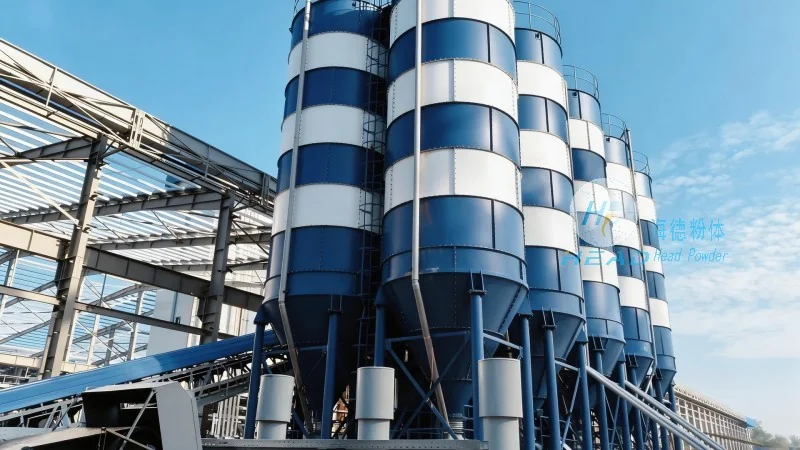
Step-by-Step Operation Process
The operation process of a pneumatic conveying system for wheat bran powder is a continuous and automated sequence that ensures efficient material handling. The process begins with the loading of wheat bran powder into the storage hopper. The feeder then regulates the flow rate, controlling the amount of powder entering the conveyor line. Simultaneously, the air compressor or vacuum pump generates the necessary air pressure or vacuum. The air is introduced into the system, creating a flow that carries the powder particles through the pipeline. As the mixture travels, the filtration system captures any dust or particles, preventing them from escaping into the environment. The discharged powder is then delivered to the processing unit, such as a mixer or a production line. Throughout the process, sensors and control systems monitor the flow rate, pressure, and air quality, ensuring optimal performance and minimizing downtime. This automated operation reduces human intervention, enhances safety, and maintains consistent product quality.
Advantages and Applications
Pneumatic conveying offers numerous advantages for handling wheat bran powder, making it a preferred choice for many industries. One of the primary benefits is the elimination of mechanical components in the conveying line, which reduces maintenance requirements and extends the system's lifespan. Unlike mechanical systems, pneumatic conveying does not require regular lubrication or part replacement, leading to lower operational costs over time. The system also provides superior dust control, as the powder is contained within the pipeline and filtered before discharge. This not only improves workplace safety but also ensures compliance with environmental regulations. Additionally, pneumatic conveying allows for flexible system design, enabling the integration of multiple storage and processing units. This flexibility is particularly valuable in large-scale operations where material needs to be transported over long distances or between different processing stages. The technology is widely used in the food industry for transporting wheat bran to flour mills, in animal feed production for blending with other ingredients, and in pharmaceutical manufacturing for handling fine powders used in formulations.