

Operation Process and Working Principle of Cement Gray Powder Pneumatic Conveying
Pneumatic conveying systems are widely used in the industrial sector for transporting bulk materials such as cement gray powders. These systems utilize air to move particles through a pipeline, offering advantages like dust control, flexibility in layout, and the ability to handle sensitive materials without degradation. The operation of such systems involves several key components and processes that ensure efficient and reliable material transport.
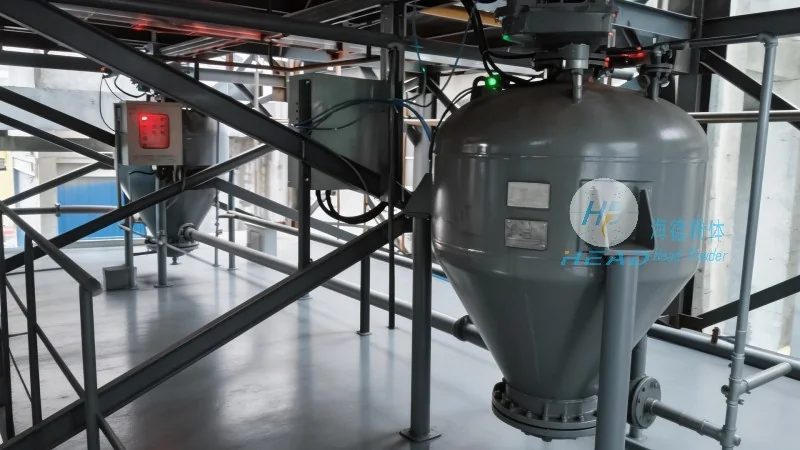
Key Components of a Pneumatic Conveying System
At the core of a cement gray powder pneumatic conveying system are several essential components. The system typically includes a hopper or feeder to store and meter the material, a blower or compressor to generate the air flow, a pipeline network to transport the material-air mixture, and a receiver or silo to collect the conveyed material. Additionally, components like filters, cyclones, and control valves are integrated to manage air quality, separate material from air, and regulate the conveying process. Each component plays a critical role in maintaining the system's efficiency and safety.
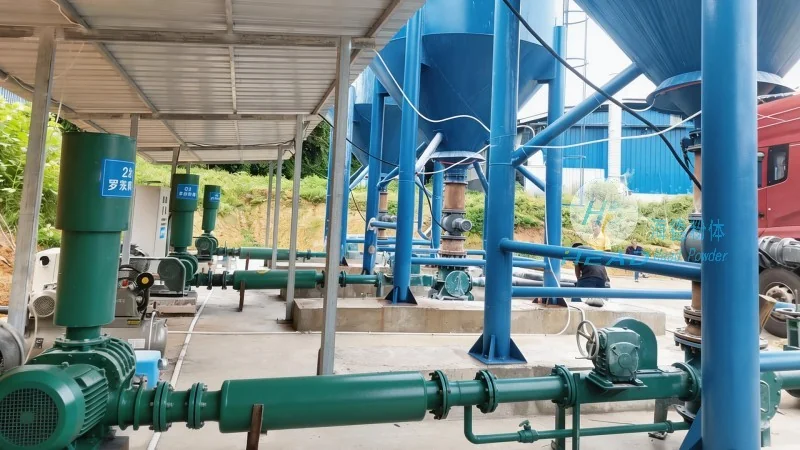
The Operation Process of Cement Gray Powder Pneumatic Conveying
The operation process of a cement gray powder pneumatic conveying system begins with the material being fed from the hopper into the pipeline. The blower then generates a high-pressure air stream that pulls the material particles into the pipeline. As the material moves through the system, it is suspended and carried by the air flow. The system may use different conveying modes, such as dilute-phase or dense-phase, depending on the material characteristics and application requirements. Dilute-phase conveying involves a higher air-to-material ratio, suitable for longer distances and lower material loads, while dense-phase conveying uses a lower air-to-material ratio, ideal for short distances and higher material loads, often requiring a positive displacement blower. The process ensures that the material is transported efficiently without clogging or degradation, maintaining the quality of the cement gray powder.
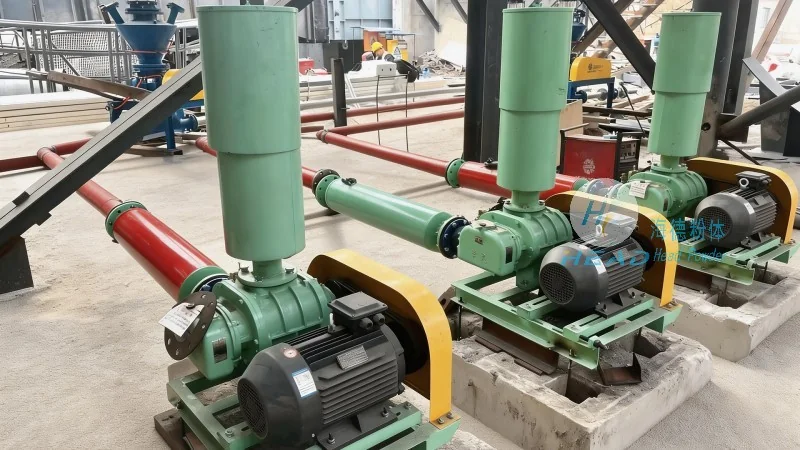
Working Principle of Pneumatic Conveying for Cement Gray Powders
The working principle of pneumatic conveying for cement gray powders is based on the interaction between the air flow and the material particles. When the blower creates a pressure difference, the air draws the material particles into the pipeline. The material is then suspended in the air stream, moving along the pipeline due to the air's velocity. The system's design, including the pipeline diameter, length, and layout, affects the conveying efficiency. Proper design ensures that the air velocity is sufficient to keep the particles suspended without causing excessive wear or pressure drop. The receiver at the end of the pipeline collects the material, and the air is typically filtered and recycled to maintain system efficiency and reduce environmental impact. This closed-loop system minimizes air consumption and ensures consistent material transport.
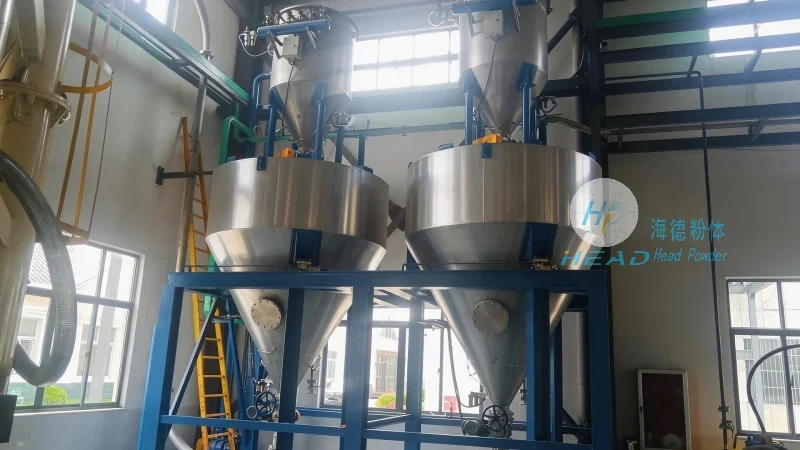
Applications and Benefits of Cement Gray Powder Pneumatic Conveying
Cement gray powder pneumatic conveying systems are widely applied in various industries, including construction, cement production, and chemical processing. The primary benefits of using such systems include improved safety by reducing dust exposure, enhanced material handling flexibility, and the ability to transport materials over long distances without the need for complex mechanical equipment. Additionally, these systems can handle a wide range of particle sizes and moisture contents, making them suitable for diverse applications. The efficiency and reliability of pneumatic conveying systems make them a preferred choice for industries that require consistent and high-quality material transport. For example, in cement production facilities, pneumatic conveying systems are used to transport raw materials and finished products, ensuring smooth operations and minimizing downtime.