

Operation Process and Working Principle of Wood Dust Powder Pneumatic Conveying
Shandong HeadPowder Engineering Co., Ltd., a leading enterprise in the field of powder processing technology, specializes in the design, manufacturing, and application of advanced pneumatic conveying systems for various industrial powders, including wood dust. With a focus on efficient and reliable material handling solutions, the company has established itself as a trusted partner for industries requiring precise and safe powder transport. This article provides an in-depth exploration of the operation process and working principle of wood dust powder pneumatic conveying systems, highlighting the key components, operational steps, and technical aspects that ensure optimal performance.
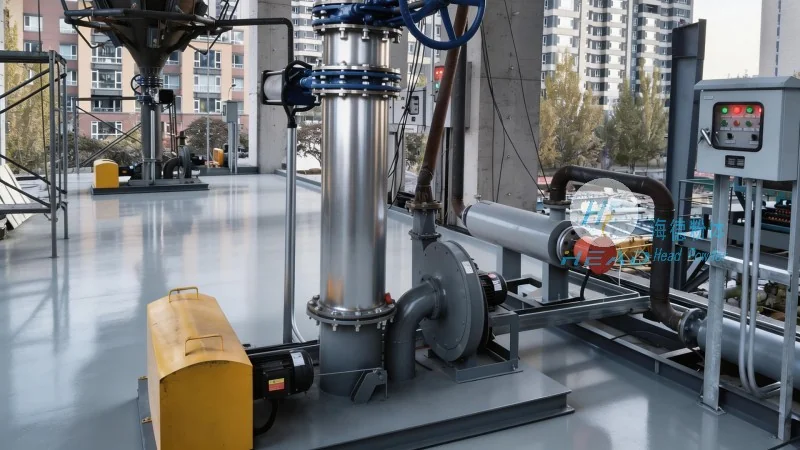
Company Overview and Expertise
HeadPowder, as the company is commonly known, is headquartered in Shandong, China. The company's expertise lies in the development of customized pneumatic conveying solutions tailored to the unique characteristics of different powders, such as wood dust, which is known for its light weight, fine particle size, and potential for static electricity. By leveraging years of experience in powder technology, HeadPowder engineers have developed systems that address the challenges associated with handling wood dust, including dust explosion risks, material segregation, and system efficiency.
Understanding Pneumatic Conveying Systems
Pneumatic conveying is a method of transporting bulk materials through a pipeline using a gas stream, typically air. For wood dust, this technology offers a dust-free, enclosed system that minimizes environmental impact and ensures worker safety. The system operates by creating a pressure differential between the inlet and outlet of the pipeline, which draws the wood dust particles into the conveying line. This process is fundamental to the efficient transport of wood dust from storage silos, processing units, or production lines to the desired destination, such as a furnace, storage hopper, or processing equipment.
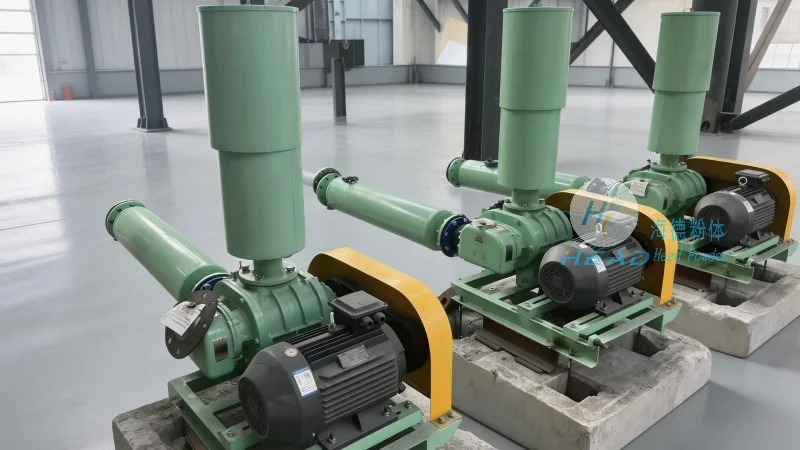
Key Components of a Wood Dust Pneumatic Conveying System
A typical wood dust pneumatic conveying system consists of several critical components that work in concert to achieve effective material transport. These components include the material feed hopper, which holds the wood dust and provides a controlled feed rate; the conveying line, which is made of materials resistant to wood dust abrasion and corrosion; the air compressor or blower, which generates the necessary air pressure to move the particles; the control valve, which regulates the air flow and pressure to maintain optimal conveying conditions; and the receiving hopper or silo, which collects the conveyed wood dust at the destination. Each component is carefully selected and integrated to ensure the system operates smoothly and efficiently.
Operation Process of Wood Dust Pneumatic Conveying
The operation process of a wood dust pneumatic conveying system involves several sequential steps that ensure the continuous and reliable transport of the material. The process begins with the loading of wood dust into the feed hopper. A feeder, such as a rotary valve or a screw feeder, controls the flow rate of the wood dust into the conveying line. Simultaneously, the air compressor starts and generates a high-pressure air stream. The air stream, combined with the wood dust particles, is then drawn into the conveying line through the inlet of the feed hopper. As the air and dust mixture travels through the pipeline, the pressure differential created by the compressor maintains the flow. The mixture reaches the receiving hopper at the end of the line, where the air is separated from the wood dust, typically using a cyclone separator or a filter. The separated wood dust is collected in the receiving hopper, while the air is either recirculated or vented to the atmosphere, depending on the system design. This process is repeated continuously, allowing for the uninterrupted transport of wood dust from the source to the destination.
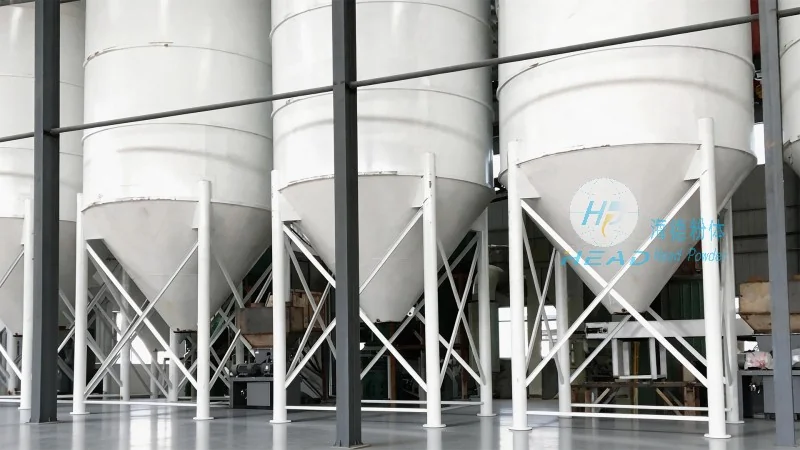
Working Principle of the Pneumatic Conveying System
The working principle of a wood dust pneumatic conveying system is based on the fundamental laws of fluid dynamics and particle transport. The system relies on the creation of a pressure differential between the inlet and outlet of the conveying line. The air compressor or blower provides the necessary pressure to overcome the resistance offered by the wood dust particles and the pipeline. The wood dust particles are entrained in the air stream and carried through the pipeline due to the high velocity of the air. The key to efficient conveying is maintaining an appropriate air-to-material ratio, which ensures that the particles are fully suspended and transported without settling or causing blockages. The system's design, including the diameter and length of the pipeline, the type of air compressor, and the control mechanisms, all contribute to achieving the optimal air-to-material ratio for wood dust. Additionally, the system incorporates safety features, such as explosion-proof designs and static elimination devices, to address the specific hazards associated with wood dust, such as dust explosions and static buildup.
Advantages of Wood Dust Pneumatic Conveying
Wood dust pneumatic conveying systems offer several advantages over traditional material handling methods, such as belt conveyors or bucket elevators. These advantages include a completely enclosed system that prevents dust emissions and protects the environment and workers from exposure to wood dust. The system is also highly flexible, allowing for the transport of wood dust over long distances and through complex layouts without the need for multiple transfer points. Furthermore, the system is energy-efficient, as the air compressor can be sized to match the exact conveying requirements, reducing energy consumption compared to other methods. The reliability of the system is another key advantage, as it minimizes downtime and maintenance costs, ensuring consistent and continuous operation. Finally, the system is easy to integrate with other processing equipment, such as furnaces or reactors, allowing for seamless material flow in production lines.
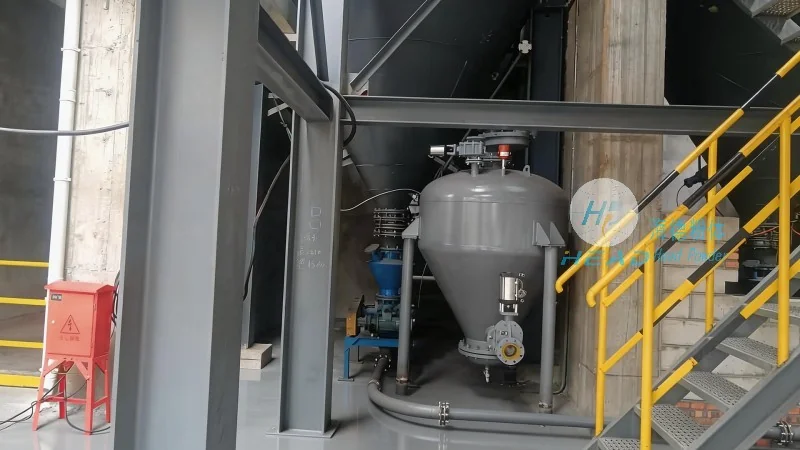
Applications in Industrial Settings
The applications of wood dust pneumatic conveying systems are widespread across various industries that utilize wood dust as a raw material or byproduct. In the wood processing industry, these systems are used to transport wood dust from sawmills or wood chipper operations to storage silos or combustion facilities. In the manufacturing industry, wood dust is often used as a filler or additive in composite materials, and pneumatic conveying systems ensure that the material is delivered to the production line in a clean and controlled manner. Additionally, in the waste management industry, wood dust from wood waste processing facilities is transported to recycling or disposal sites using pneumatic conveying systems. The versatility of the system makes it suitable for a wide range of applications, from small-scale operations to large industrial plants.
Conclusion
Wood dust pneumatic conveying systems, as developed and implemented by Shandong HeadPowder Engineering Co., Ltd., represent a sophisticated and efficient solution for the transport of wood dust in industrial settings. By understanding the operation process and working principle of these systems, industries can leverage the benefits of enclosed, dust-free, and reliable material handling. The company's expertise in powder processing technology ensures that the systems are tailored to the specific needs of each application, providing optimal performance and safety. As industries continue to seek more efficient and sustainable material handling solutions, wood dust pneumatic conveying systems remain a key technology in the field.