

Operation Process and Working Principle of Ceramic Particle Material Conveying System Equipment
For industrial applications involving the transport of ceramic particles, the ceramic particle material conveying system equipment plays a crucial role in ensuring efficient and reliable material handling. This equipment is designed to handle various types of ceramic materials, such as alumina, zirconia, and other fine powders, with precision and minimal loss. The system integrates multiple components that work in tandem to achieve seamless material movement from the source to the destination.
Introduction to Ceramic Particle Material Conveying System Equipment
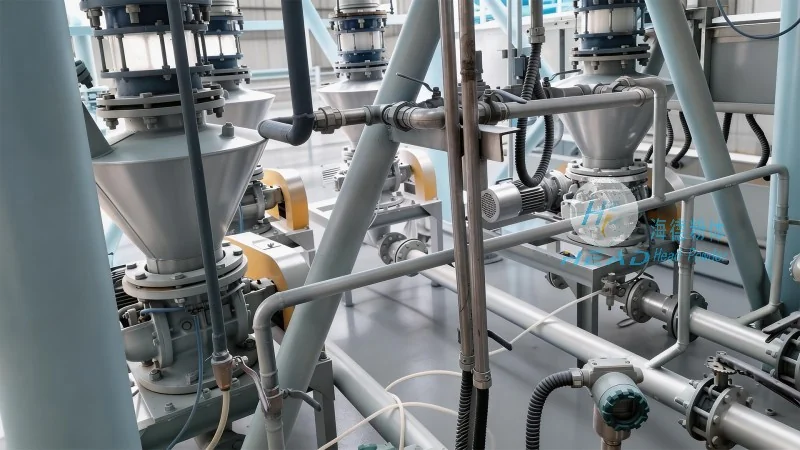
The ceramic particle material conveying system equipment is a specialized piece of machinery used in manufacturing and processing industries. It is engineered to transport ceramic particles through a network of pipes, hoses, or other conduits, ensuring that the material is moved safely and efficiently. This system is particularly important in industries like ceramics, pharmaceuticals, and chemical processing, where the handling of fine powders requires high precision and control. The equipment is designed to minimize material degradation, prevent contamination, and maintain consistent flow rates, which are critical for maintaining product quality.
Key Components and Their Roles
The ceramic particle material conveying system typically consists of several key components, each with a specific function. The main components include the hopper or feed hopper, which holds the ceramic particles and feeds them into the system. The feed hopper is equipped with a discharge valve or gate to control the flow rate of the material. Next, the conveying mechanism, such as a screw conveyor, pneumatic conveyor, or vacuum system, is responsible for moving the particles through the system. The screw conveyor uses rotating screws to push the material forward, while the pneumatic system uses compressed air to transport the particles in a sealed pipeline. Additionally, the system includes a control panel or control unit that monitors and regulates the operation of the conveying process. The control unit may include sensors to detect the level of material in the hopper, flow rate indicators, and safety switches to prevent overloading or other operational issues.
Detailed Operation Process
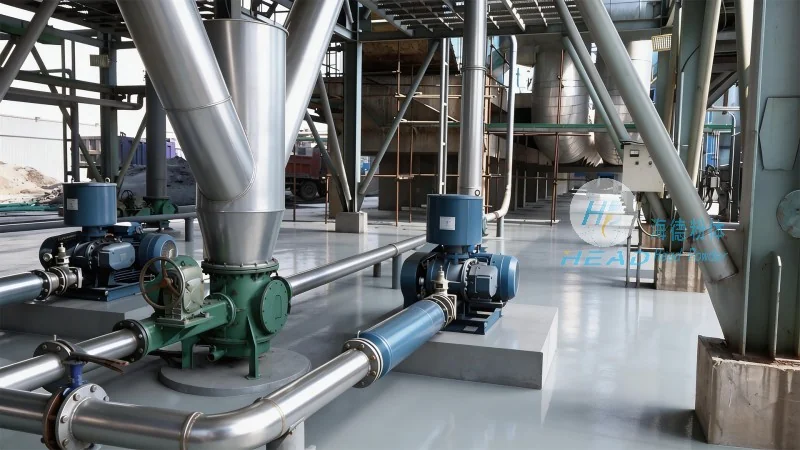
The operation of the ceramic particle material conveying system begins with the loading of ceramic particles into the feed hopper. The hopper is typically made of a durable material, such as stainless steel or plastic, to prevent corrosion and contamination from the ceramic particles. Once the hopper is filled, the discharge valve is opened, allowing the particles to fall into the conveying mechanism. The conveying mechanism then starts to operate, moving the particles through the system. For example, in a screw conveyor system, the rotating screws push the particles forward, while in a pneumatic system, compressed air is introduced to create a flow of particles through the pipeline. The particles are transported to the destination, such as a storage silo, processing unit, or packaging machine. The system may include a discharge hopper or outlet at the end to release the particles into the next stage of the process. Throughout the operation, the control panel monitors the flow rate, pressure, and other parameters to ensure that the system operates within safe and efficient limits. If any issues are detected, such as a blockage or low material level, the control panel will trigger an alarm or automatically adjust the operation to prevent damage to the equipment or loss of material.
Working Principle Explained
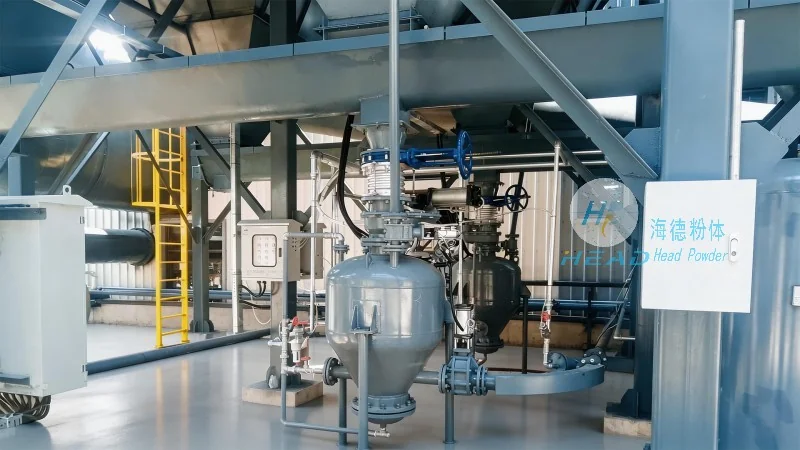
The working principle of the ceramic particle material conveying system is based on the principles of fluid dynamics and mechanical motion. In a screw conveyor system, the rotating screws create a helical path for the particles, which are pushed forward by the friction between the screws and the particles. The speed of the screws determines the flow rate of the material, and the pitch of the screws can be adjusted to control the pressure and flow characteristics. In a pneumatic conveying system, the compressed air creates a pressure differential that moves the particles through the pipeline. The air velocity is controlled to ensure that the particles are carried without causing excessive wear or degradation. The system may use a combination of positive and negative pressure to achieve efficient transport, especially for long-distance or high-capacity applications. The vacuum system works by creating a negative pressure in the pipeline, which draws the particles from the source and transports them to the destination. The working principle of the system is designed to minimize the impact of particle size, density, and moisture on the conveying efficiency, ensuring consistent performance under various operating conditions.
Application Scenarios and Benefits
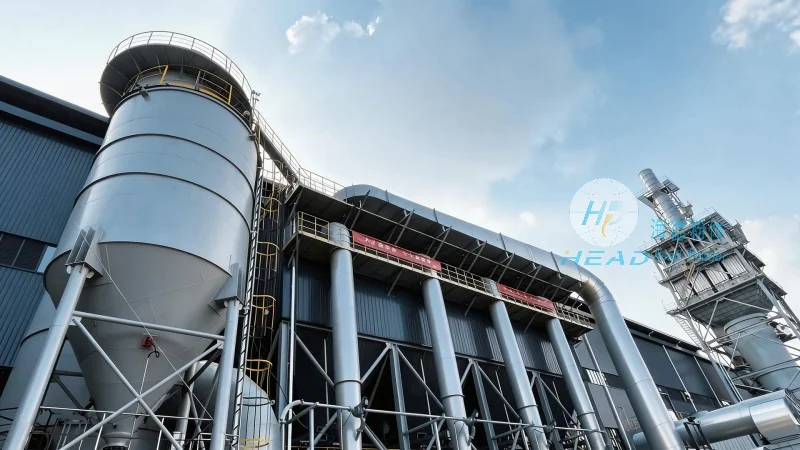
The ceramic particle material conveying system equipment is widely used in various industrial applications where the handling of fine ceramic particles is required. Some common applications include the transport of raw materials in ceramic manufacturing, such as alumina and zirconia powders, to the mixing and molding processes. In pharmaceutical industries, the system is used to transport active pharmaceutical ingredients (APIs) and excipients, ensuring that the powders are handled with precision and minimal contamination. In chemical processing, the system is used to transport catalysts and other fine chemicals, which require careful handling to maintain their properties. The benefits of using this equipment include improved efficiency in material handling, reduced labor costs, and enhanced product quality. The system also minimizes material loss and contamination, which are critical for maintaining compliance with industry standards and regulations. Additionally, the equipment is designed for easy maintenance and cleaning, which reduces downtime and increases the overall productivity of the production line.
Company Information and Contact
HeadPowder, a leading manufacturer of material handling equipment, specializes in providing high-quality ceramic particle material conveying systems. The company is based in Shandong, China, and has a strong reputation for delivering reliable and efficient equipment to its clients. Shandong HeadPowder Engineering Co., Ltd. is committed to innovation and quality, ensuring that its products meet the highest standards of performance and durability. The company offers a range of customization options to suit the specific needs of its clients, including different materials of construction, conveying capacities, and control systems. HeadPowder provides comprehensive support, including installation, training, and after-sales service, to ensure that its clients can maximize the benefits of their equipment. The company's address is in Shandong, China, and it serves clients worldwide with its advanced material handling solutions.