Understanding the operation process and working principle of dust powder pneumatic conveying systems is crucial for industries dealing with bulk material handling. These systems are designed to transport dry powders and fine particles through a pipeline using air or other gas as the conveying medium. The technology offers a flexible and efficient method for moving materials from one location to another, eliminating the need for traditional mechanical conveyors in many applications.
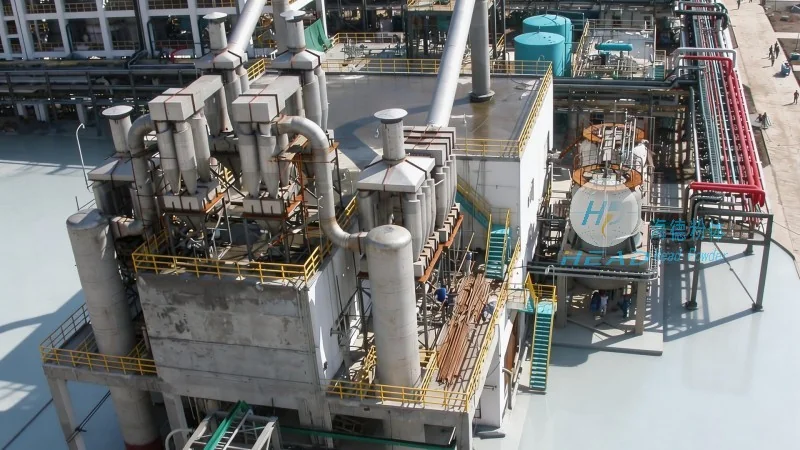
Key Components of Pneumatic Conveying Systems
At the core of any pneumatic conveying system are several essential components that work in tandem to ensure smooth material transport. The primary components include the material feed hopper, which holds the bulk powder; the air compressor or blower that generates the necessary airflow; the pipeline network that carries both the material and air; and the discharge unit where the material is released at the destination. Additionally, control valves and filters are often integrated to regulate airflow and maintain system efficiency.
The Working Principle of Pneumatic Conveying
The fundamental principle behind pneumatic conveying is the use of air pressure to move material particles. In a typical system, the material is fed into the hopper and then drawn into the pipeline by the suction created by the air compressor. As the air flows through the pipe, it lifts and transports the powder particles, creating a suspension that travels to the discharge point. The velocity of the air and the size of the particles determine the efficiency of the conveying process. Properly designed systems ensure that the material is conveyed without clogging or degradation, maintaining product integrity throughout the process.
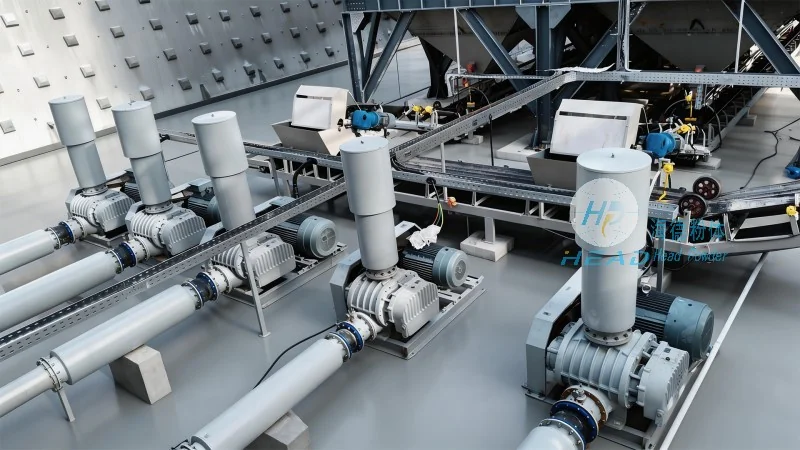
Operation Process of Dust Powder Pneumatic Conveying
The operation process of a dust powder pneumatic conveying system involves several sequential steps. First, the material is loaded into the feed hopper, which is equipped with a feeding mechanism such as a rotary valve or a screw feeder to control the flow rate. Next, the air compressor is activated, generating the required airflow to create a vacuum or pressure within the pipeline. As the material is released from the hopper, it is entrained by the air and carried through the pipeline to the discharge point. The system may include intermediate silos or storage tanks to buffer the material if needed. Finally, the material is discharged at the destination, and the air is filtered and returned to the system or vented to the atmosphere, depending on the design.
Advantages of Pneumatic Conveying for Dust and Powder Handling
Pneumatic conveying offers several advantages over traditional mechanical methods, making it a preferred choice for many industries. One of the key benefits is the ability to transport materials over long distances without the need for multiple transfer points. The system is also flexible, allowing for changes in material flow rates and destination points without significant modifications. Additionally, pneumatic conveying is suitable for handling sensitive materials, as it minimizes contact with equipment and reduces the risk of contamination or degradation. The technology also provides a dust-free operation, improving workplace safety and environmental compliance.
Applications in Industrial Settings
Dust powder pneumatic conveying systems are widely used in various industrial applications, including pharmaceuticals, food processing, chemical manufacturing, and mining. In pharmaceutical industries, these systems are used to transport active ingredients and excipients with high precision, ensuring product purity. In food processing, they handle powders like flour, sugar, and spices, maintaining hygiene standards. Chemical manufacturers utilize pneumatic conveying for transporting raw materials and finished products, while mining operations use it to move ore and minerals from processing plants to storage facilities. The versatility of the system makes it adaptable to a wide range of material types and operational requirements.
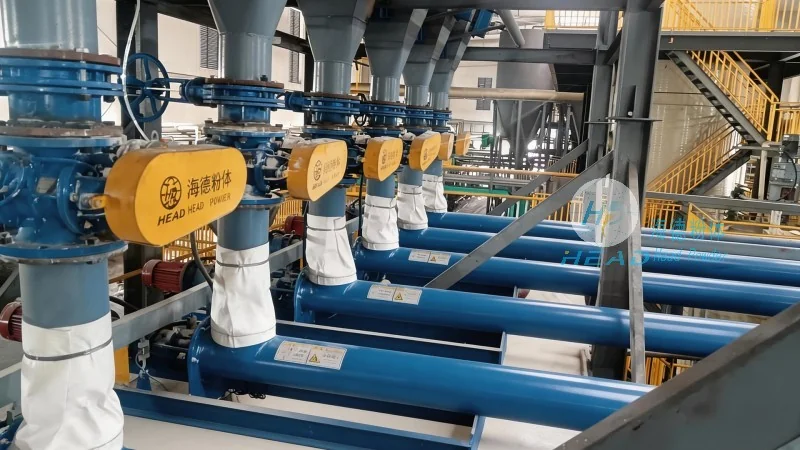
Company Profile: Shandong HeadPowder Engineering Co., Ltd.
Shandong HeadPowder Engineering Co., Ltd., operating under the brand name headpowder, is a leading provider of pneumatic conveying solutions for dust and powder handling. With a focus on innovation and quality, the company specializes in designing, manufacturing, and installing customized pneumatic conveying systems tailored to the specific needs of its clients. HeadPowder's expertise lies in understanding the unique challenges of material transport in different industries and developing solutions that enhance efficiency, reduce costs, and improve product quality. The company's facilities are located in Shandong, China, where it leverages advanced technology and skilled workforce to deliver reliable and durable systems.
Conclusion: The Future of Dust Powder Pneumatic Conveying
As industries continue to demand more efficient and flexible material handling solutions, pneumatic conveying systems remain a vital technology. The operation process and working principle of these systems have evolved over time, incorporating advanced control systems and materials to optimize performance. Companies like Shandong HeadPowder Engineering Co., Ltd. play a crucial role in advancing this technology, providing tailored solutions that meet the evolving needs of modern industries. By understanding the fundamentals of pneumatic conveying and leveraging the expertise of specialized providers, businesses can enhance their material handling processes, improve operational efficiency, and achieve sustainable growth.




