

Operation Process and Working Principle of Clay Powder Pneumatic Conveying
Clay powder pneumatic conveying is a critical technology in material handling, particularly for transporting fine powders like clay. This method utilizes air as the conveying medium to move particles through a pipeline system. Understanding its operation process and working principle is essential for optimizing efficiency and ensuring reliable material transport in industrial applications.
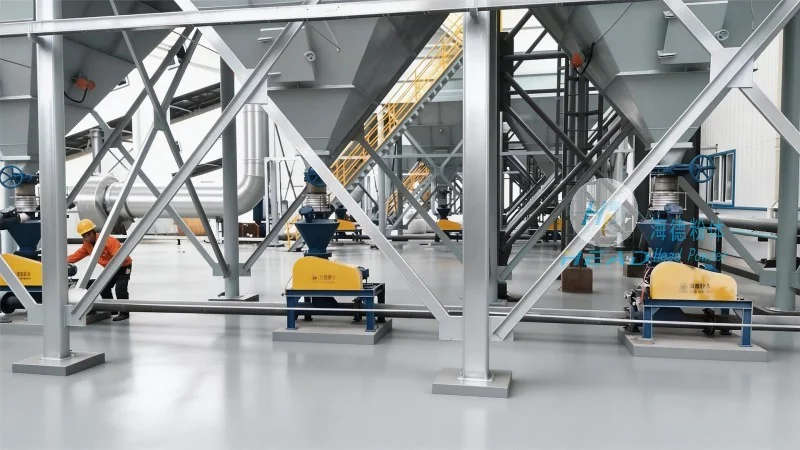
Company Introduction
HeadPowder, or Shandong HeadPowder Engineering Co., Ltd., is a leading provider of advanced material handling solutions. With its headquarters located in Shandong, China, the company specializes in designing and manufacturing efficient pneumatic conveying systems tailored to various industrial needs. HeadPowder's expertise lies in delivering robust and reliable equipment that meets the demands of modern production lines, particularly in sectors dealing with fine powders such as clay.
Overview of Clay Powder Pneumatic Conveying
Pneumatic conveying of clay powder involves the use of air to transport the material from a source to a destination. This process is typically employed when traditional methods like belt conveyors or bucket elevators are not suitable due to the fine nature of the powder or the need for dust-free handling. The system consists of a series of components that work in tandem to ensure smooth and continuous material transport.
Working Principle of the Pneumatic Conveying System
The core of the clay powder pneumatic conveying system is the air flow mechanism. The process begins with the material being fed into a hopper or feeder. From there, the powder is introduced into a pipeline where it is mixed with high-velocity air. This mixture creates a slurry-like flow that propels the particles forward. The air velocity is carefully controlled to maintain the material in suspension, preventing clogging and ensuring consistent transport. The system may use either positive pressure (where air is blown into the pipeline) or negative pressure (where air is drawn out), depending on the specific application requirements.
Key Components and Their Functions
Several critical components make up a pneumatic conveying system for clay powder. These include the feeder, which controls the flow rate of the material; the air compressor or vacuum pump, which generates the necessary air pressure or suction; the pipeline network, which transports the material; and the receiver or silo, where the material is deposited. Each component plays a vital role in the overall efficiency and reliability of the system.
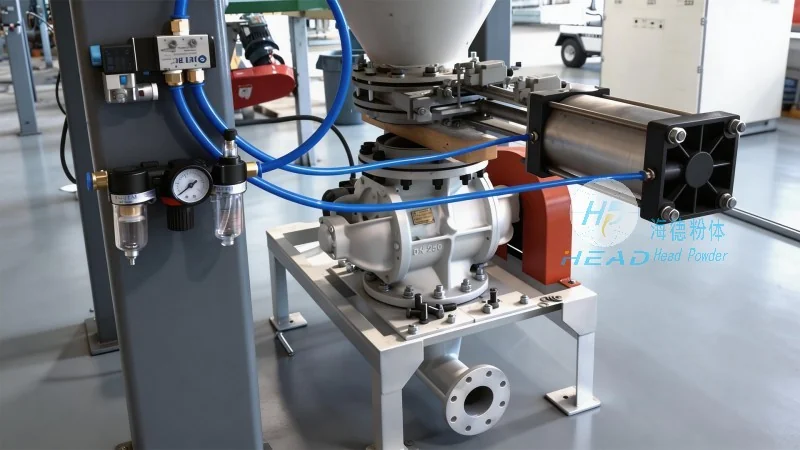
Operation Process Step-by-Step
The operation process of clay powder pneumatic conveying can be broken down into several key steps:
1. **Material Preparation**: The clay powder is prepared in a hopper, ensuring it is free from large clumps or foreign materials that could obstruct the pipeline. The feeder then regulates the flow of the powder into the system.
2. **Air Intake and Mixing**: High-pressure air is introduced into the pipeline, mixing with the clay powder to form a suspended flow. The air velocity is maintained at a level sufficient to keep the particles in suspension, preventing them from settling or clogging the line.
3. **Transportation**: The air-powder mixture travels through the pipeline to the destination point. The pipeline design, including bends and valves, is optimized to minimize pressure loss and maintain consistent flow.
4. **Deposition and Collection**: At the receiving end, the air and powder are separated. The air is typically filtered and recirculated, while the clay powder is collected in a silo or storage container. This separation process is crucial for maintaining the purity of the material and ensuring efficient use of the conveying system.
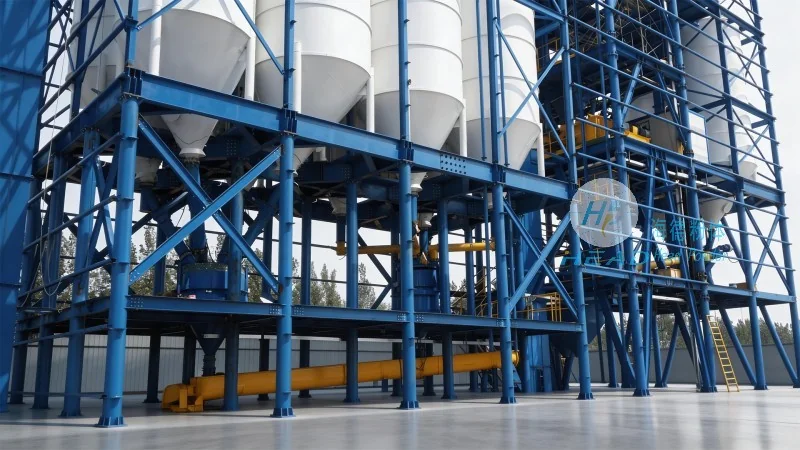
Advantages of Pneumatic Conveying for Clay Powder
Using pneumatic conveying for clay powder offers several advantages over traditional methods. It provides a dust-free and enclosed transport system, reducing the risk of contamination and improving workplace safety. The process is also highly flexible, allowing for changes in material flow rates and destinations without major modifications to the system. Additionally, it can handle fine powders that are difficult to transport using other methods, ensuring consistent and reliable material delivery.
Applications and Industries
Clay powder pneumatic conveying is widely used in various industries, including ceramics, construction, and pharmaceuticals. In the ceramics industry, it is used to transport raw clay materials to production lines, ensuring a consistent supply of high-quality material. In construction, it helps in the efficient handling of clay-based products, such as bricks or tiles. The pharmaceutical industry also benefits from this technology, as it allows for the safe and hygienic transport of fine powders used in manufacturing.
Maintenance and Troubleshooting
To ensure the longevity and efficiency of the pneumatic conveying system, regular maintenance is essential. This includes checking the air compressor or vacuum pump for proper operation, inspecting the pipeline for blockages or wear, and cleaning the filters and receivers. Common issues such as clogging or reduced flow can often be addressed by adjusting the air pressure, cleaning the system, or replacing worn components. Proper maintenance helps in minimizing downtime and maximizing the operational life of the equipment.
Conclusion
Clay powder pneumatic conveying is a sophisticated and efficient method for transporting fine powders. By understanding its operation process and working principle, industries can optimize their material handling systems, improve productivity, and enhance safety. With the expertise of companies like Shandong HeadPowder Engineering Co., Ltd., businesses can implement reliable and effective pneumatic conveying solutions tailored to their specific needs, ensuring smooth and continuous operation in their production processes.