

What is a Fine Material Pneumatic Conveying Equipment? And What Are Its Design Principles?
When it comes to efficient material handling in industrial settings, fine material pneumatic conveying equipment plays a crucial role. This technology enables the transport of small, powdery, or granular materials through a pipeline system using air or other gases as the conveying medium. Understanding what this equipment is and its underlying design principles is essential for selecting the right solution for various industrial applications.
What is Fine Material Pneumatic Conveying Equipment?
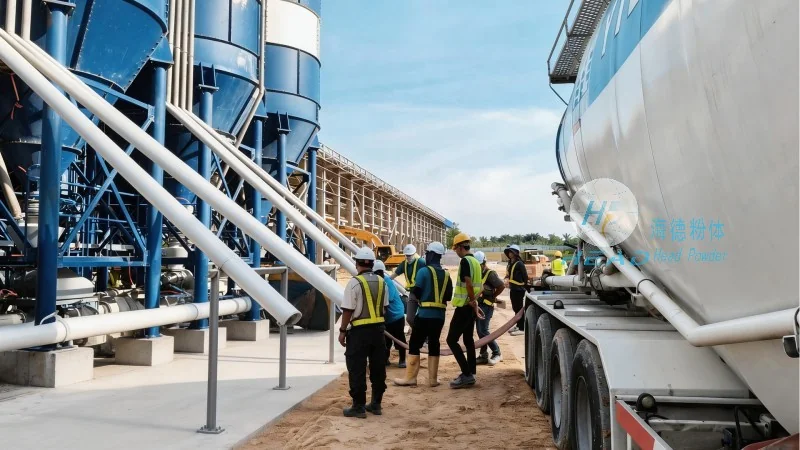
Fine material pneumatic conveying equipment is a system designed to move small particles, powders, or granules from one location to another within an industrial facility. Unlike traditional mechanical conveyors, which rely on physical contact and friction, pneumatic systems use air pressure to propel the material through a sealed pipeline. This method is particularly suitable for materials that are prone to dust, require a clean transfer process, or need to be transported over long distances without degradation.
Key Design Principles of Pneumatic Conveying Systems
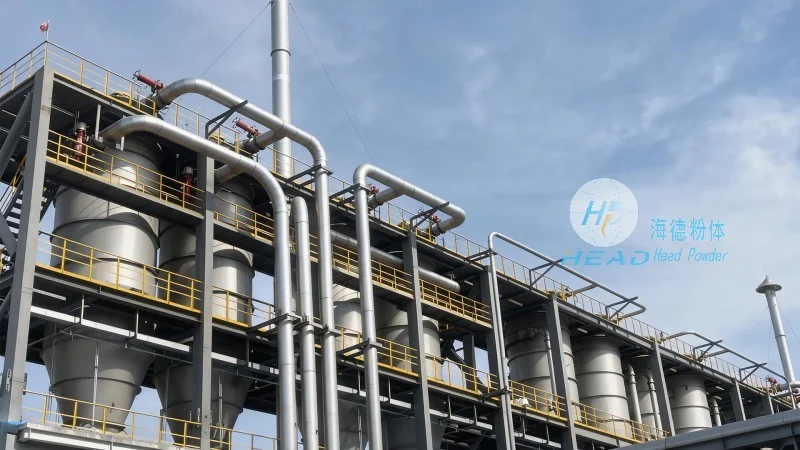
The design of fine material pneumatic conveying equipment is based on several fundamental principles to ensure efficient and reliable operation. The primary principle is the creation of a sufficient pressure differential to move the material through the pipeline. This is achieved by using a blower or compressor to generate air flow, which then entrains the material particles and carries them along the pipeline. The system must also consider the material's properties, such as particle size, density, and flowability, as these factors directly impact the conveying velocity and system design.
Components and Working Mechanism
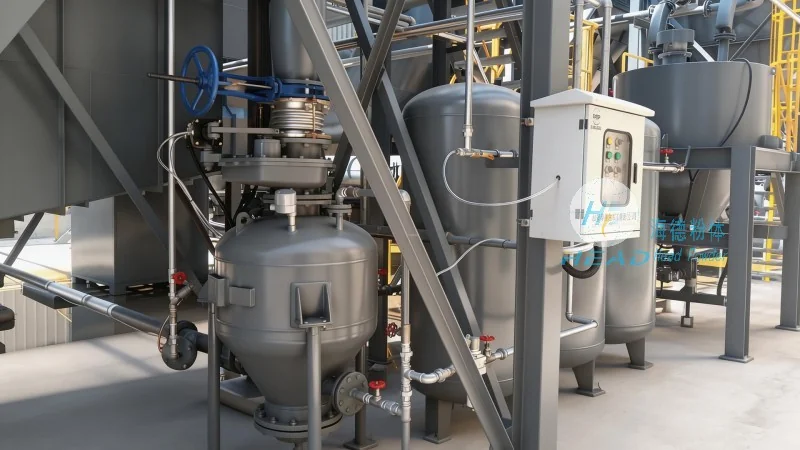
A typical fine material pneumatic conveying system consists of several key components, including a material feeder, a conveying line, a separation unit, and a receiver. The material feeder is responsible for introducing the material into the system at a controlled rate. The conveying line, often made of stainless steel or other corrosion-resistant materials, transports the material and air mixture. The separation unit, such as a cyclone or filter, separates the material from the air, allowing the material to be collected in the receiver while the air is either recirculated or discharged. The working mechanism involves the material being fed into the conveying line, where it is entrained by the high-velocity air stream. The air and material mixture travels through the pipeline, and upon reaching the receiver, the air is separated from the material, completing the transfer process.
Applications and Benefits
Fine material pneumatic conveying equipment is widely used in various industries, including pharmaceuticals, food processing, chemical manufacturing, and mining. The benefits of this technology include improved hygiene and cleanliness, as the system is enclosed and prevents dust contamination. It also allows for the transport of materials over long distances and through multiple levels or obstacles, which may be difficult or impossible with traditional conveyors. Additionally, pneumatic systems can handle a wide range of materials, from fine powders to small granules, making them versatile for different industrial needs.
About HeadPowder: Your Partner in Pneumatic Conveying Solutions
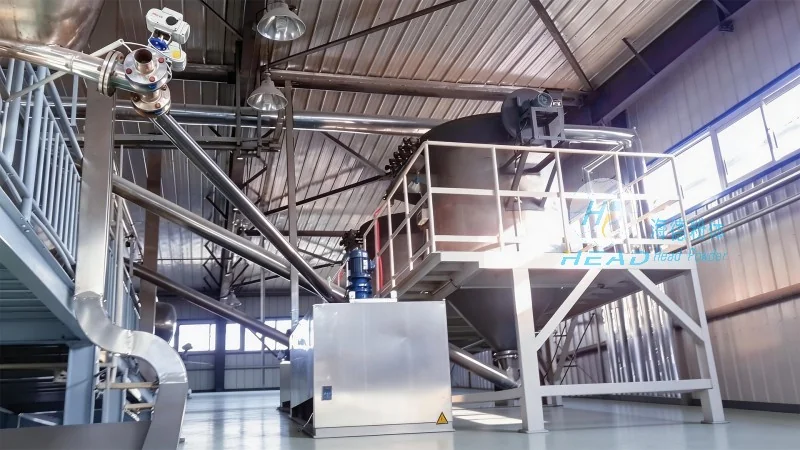
Shandong HeadPowder Engineering Co., Ltd., commonly known as HeadPowder, is a leading manufacturer of fine material pneumatic conveying equipment. With headquarters in Shandong, China, HeadPowder specializes in designing and producing high-quality conveying systems tailored to the specific needs of industrial clients. The company's expertise lies in understanding the unique challenges of material handling and developing innovative solutions that enhance efficiency, safety, and reliability. HeadPowder's products are engineered to meet stringent industry standards and are backed by a commitment to quality and customer satisfaction.