What is an Activated Carbon Powder Pneumatic Conveying System? And What Are Its Design Principles?
Release time:2026-09-14 12:35:39
name of the company:Shandong Headpowder Engineering Co., Ltd.
telephone:156-6277-7102
contacts:Zhang manager
For industrial applications that require the efficient and reliable transport of activated carbon powder, understanding the technology behind pneumatic conveying systems is crucial. This article explores the components, operational principles, and design considerations of such systems, providing insights into how they enhance material handling processes in various industries.
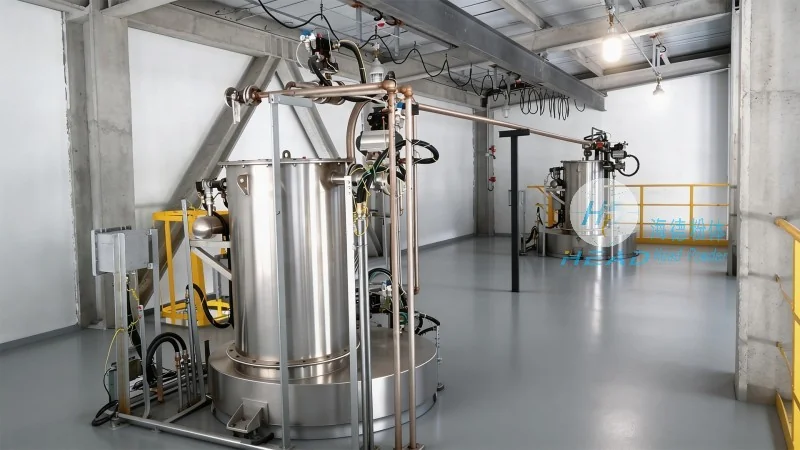
Understanding Pneumatic Conveying Systems
Pneumatic conveying systems are mechanical systems that use compressed air or other gases to transport bulk materials like powders, granules, and small particles through a pipeline. In the case of activated carbon powder, these systems offer a dust-free, enclosed method of transport, which is essential for maintaining product quality and ensuring worker safety. The core of such a system lies in its ability to create a flow of material by generating a pressure differential within the pipeline.
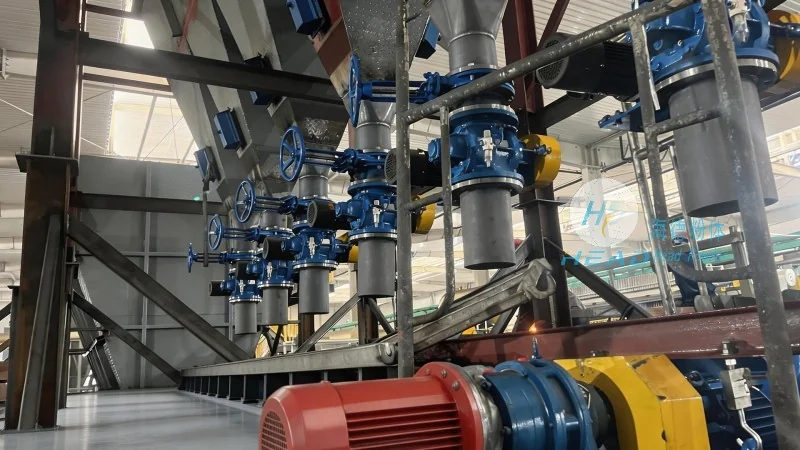
Key Components of an Activated Carbon Powder Pneumatic Conveying System
An activated carbon powder pneumatic conveying system typically consists of several key components, each playing a vital role in the overall operation. These components include:
- Feeder: The feeder is responsible for accurately metering and feeding the activated carbon powder into the conveying line. It ensures a consistent flow rate, which is critical for maintaining system efficiency and preventing blockages.
- Pneumatic Conveying Line: This is the main pipeline through which the activated carbon powder is transported. The line is usually made of materials like stainless steel or plastic, chosen for their resistance to corrosion and wear from the abrasive powder.
- Compressor/Blower: The compressor or blower provides the necessary air pressure to move the powder through the line. The selection of the right type of compressor (e.g., rotary lobe, centrifugal, or positive displacement) depends on factors such as the material's properties, conveying distance, and system capacity.
- Control Valves and Regulators: These components regulate the air flow and pressure within the system, ensuring stable operation and preventing over-pressurization or under-pressurization that could lead to system inefficiencies or equipment damage.
- Filter and Dust Collector: Since activated carbon powder is fine and can create dust, a filter and dust collector are essential to capture any particles that escape the conveying line, ensuring environmental compliance and maintaining air quality.
- Receiving Hopper or Silo: The receiving hopper or silo is where the activated carbon powder is deposited at the end of the conveying line. It may include features like level sensors and discharge valves to control the material flow to downstream processes.
Design Principles and Considerations
The design of an activated carbon powder pneumatic conveying system involves several key principles and considerations to ensure optimal performance and longevity. These include:
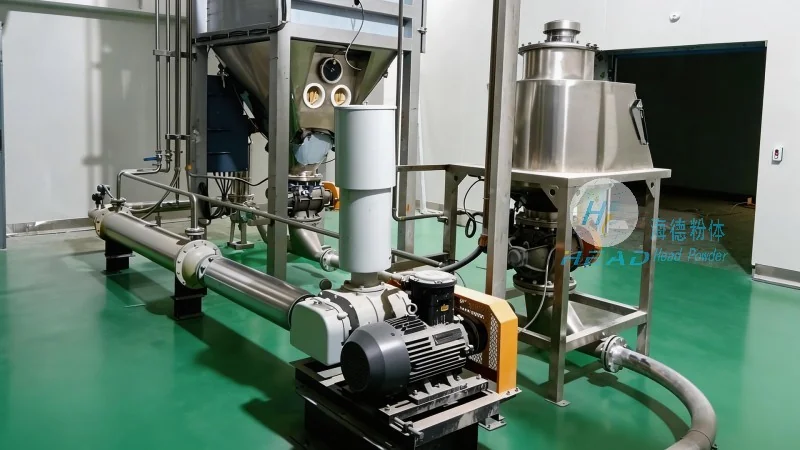
- Material Compatibility: The system components must be compatible with the activated carbon powder, which may be corrosive or abrasive. Materials like stainless steel, PTFE, or specialized coatings are often used to prevent material degradation and equipment wear.
- System Sizing and Capacity: Proper sizing of the feeder, compressor, and pipeline is critical. The system must be designed to handle the required flow rate and conveying distance without excessive pressure drop or energy consumption. Calculations often involve the material's bulk density, particle size distribution, and the desired conveying velocity.
- Pressure Drop Management: Minimizing pressure drop is essential for efficient operation. This involves selecting the appropriate pipeline diameter, ensuring smooth bends and transitions, and using efficient components like low-loss valves and well-designed feeders.
- Prevention of Blockages: Blockages can occur due to material bridging or agglomeration. Design considerations include using appropriate feeder designs, maintaining proper air flow rates, and incorporating anti-blockage features such as vibration or agitation mechanisms.
- Environmental and Safety Standards: The system must comply with local environmental regulations regarding dust emissions and air quality. Additionally, safety features like pressure relief valves and emergency shut-off systems are essential to protect personnel and equipment.
Applications and Benefits
Activated carbon powder pneumatic conveying systems are widely used in various industries, including chemical processing, pharmaceuticals, food and beverage, and environmental remediation. The benefits of using such systems include:




