

Principle and Classification Application of Cement Clinker Pneumatic Conveying
Shandong HeadPowder Engineering Co., Ltd. specializes in providing advanced solutions for cement clinker handling, with a focus on efficient and reliable pneumatic conveying systems. The company is headquartered in Shandong, China, and serves clients globally with tailored engineering solutions for material transport in cement production and related industries.
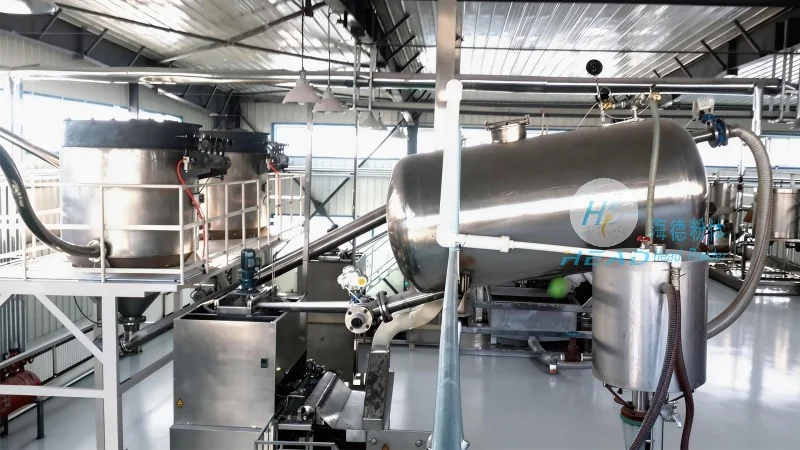
Principle of Cement Clinker Pneumatic Conveying
Pneumatic conveying of cement clinker operates by using a stream of air to transport bulk materials through a pipeline system. The process typically involves a conveying line where air and clinker are mixed, creating a slurry-like flow that moves the material from the source to the destination. The system can be categorized into two main types: suction (or negative pressure) and pressure (or positive pressure) systems, each with distinct operational characteristics and applications.
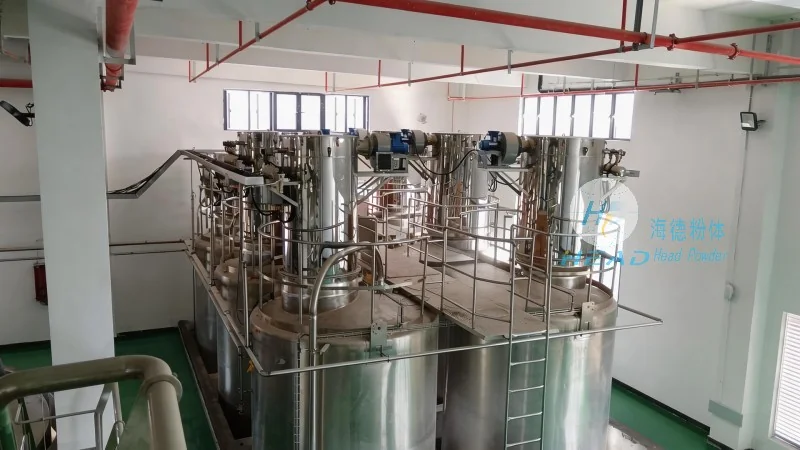
Classification and Application of Pneumatic Conveying Systems
There are several classifications of pneumatic conveying systems based on the pressure differential and operational method. The primary types include:
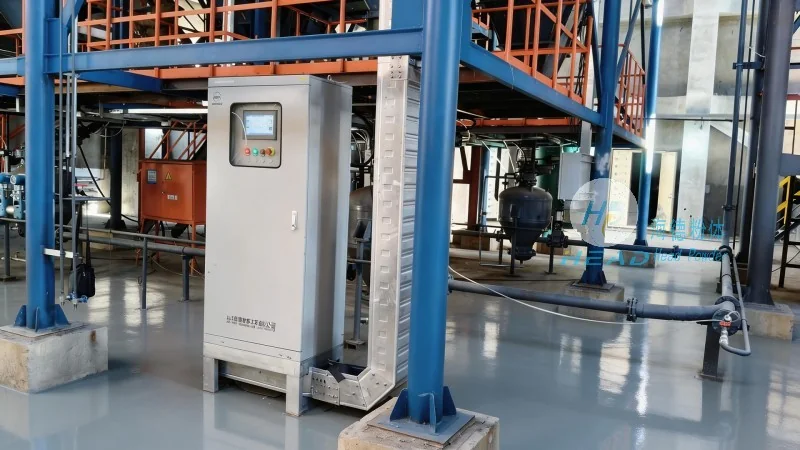
- Suction Conveying (Negative Pressure System): This system uses a vacuum at the receiving end to draw clinker from the source. It is suitable for short to medium distances and when the material needs to be transported from a higher elevation to a lower one. The suction system is often used in applications where the material is to be collected from multiple points and transported to a central storage or processing unit.
- Pressure Conveying (Positive Pressure System): In this system, compressed air is used to push the clinker through the pipeline. It is ideal for longer distances and when the material needs to be transported from a lower elevation to a higher one. Pressure systems are commonly employed in large-scale cement plants where high throughput and consistent flow are required.
- Combined Conveying Systems: Some applications may use a combination of both suction and pressure principles, such as a suction system at the source to collect clinker and a pressure system to transport it over longer distances. This hybrid approach offers flexibility and can optimize the conveying process based on specific site conditions and material handling requirements.
Each classification is designed to address specific operational needs, ensuring efficient material transport while minimizing energy consumption and maintenance costs. The choice of system depends on factors like the distance between the source and destination, the elevation difference, the required flow rate, and the nature of the clinker (e.g., moisture content, particle size).
Applications in Cement Production and Related Industries
Pneumatic conveying of cement clinker is widely used in various stages of cement production and in related industrial processes. Some key applications include:
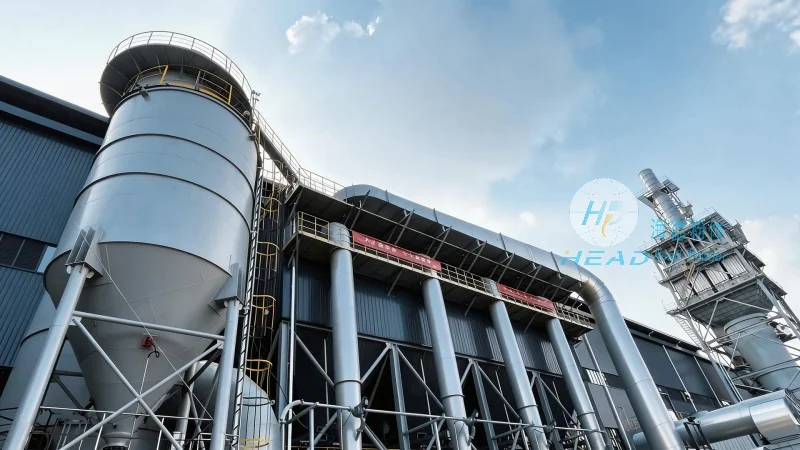
- Transport from Clinker Kilns to Storage Silos: After clinker is produced in the rotary kiln, it is often conveyed pneumatically to storage silos for subsequent grinding into cement. This process ensures a continuous and controlled flow of clinker, which is critical for maintaining production efficiency.
- Material Transfer Between Production Units: In large cement plants, clinker may need to be transferred from one production unit to another, such as from the clinker cooler to the raw material grinding section or to the cement packing area. Pneumatic conveying provides a flexible and space-saving solution for these inter-unit transfers.
- Delivery to Off-site Facilities: For cement plants located near construction sites or industrial areas, pneumatic conveying can be used to deliver clinker directly to the end-user or to intermediate storage facilities. This method reduces the need for traditional truck transport, lowering logistics costs and environmental impact.
- Handling in Recycling and Waste Management: In some cases, clinker may be used in recycling processes or as a raw material in other industrial applications. Pneumatic conveying allows for the efficient transport of clinker from recycling facilities to processing plants, supporting sustainable material management practices.
The versatility of pneumatic conveying systems makes them suitable for a wide range of applications, from small-scale cement production to large industrial facilities. By optimizing the conveying process, companies can improve operational efficiency, reduce downtime, and enhance overall productivity in cement and related industries.