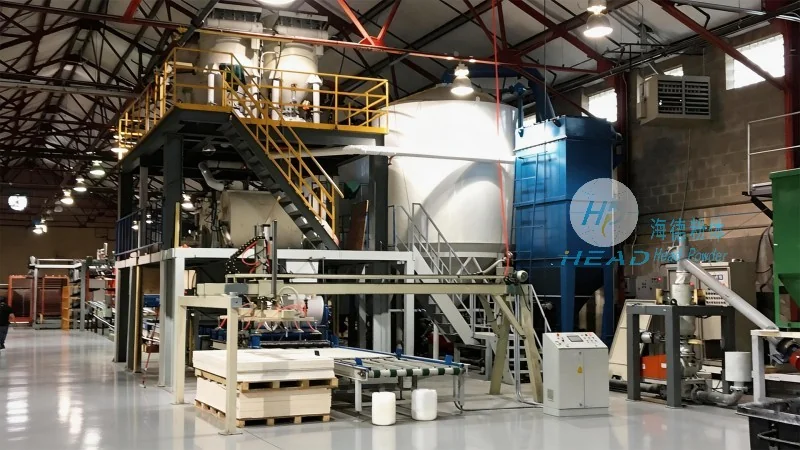
HeadPowder, a leading enterprise in the field of pneumatic conveying technology, specializes in the design, manufacturing, and application of cement dry powder conveying systems. With a strong presence in Shandong, China, the company has established itself as a trusted provider of efficient and reliable solutions for handling cement and other dry powders. This article delves into the fundamental principles of cement dry powder pneumatic conveying, explores its various classifications, and highlights practical applications across different industries.
Understanding Pneumatic Conveying for Cement Dry Powders
Pneumatic conveying is a method of transporting dry bulk materials, such as cement, through a pipeline using air or gas as the conveying medium. Unlike traditional mechanical conveying systems, which rely on mechanical components like belts or buckets, pneumatic systems utilize the force of air to move materials, offering advantages in terms of flexibility, cost-effectiveness, and reduced maintenance. The core of this technology lies in the efficient transfer of particles suspended in a gas stream, ensuring minimal product degradation and consistent flow rates.
The Working Principle of Cement Dry Powder Pneumatic Conveying
The operation of a cement dry powder pneumatic conveying system involves several key steps. First, the dry powder material is introduced into a hopper or feeder, where it is then fed into a pipeline. Simultaneously, a fan or blower generates a flow of air, which creates a pressure differential within the system. Depending on the system design, this can be either a positive pressure (pressurized) or negative pressure (suction) system. In a positive pressure system, air is forced through the pipeline, carrying the powder particles along. Conversely, a negative pressure system draws air and powder from the source, pulling them through the line. The choice between these systems depends on factors like material properties, distance, and environmental considerations.
Classifications of Cement Dry Powder Pneumatic Conveying Systems
Cement dry powder pneumatic conveying systems are broadly classified into two main categories: suction (or vacuum) systems and pressure (or positive) systems. Each type has distinct characteristics and applications.
1. **Suction (Vacuum) Systems**: These systems operate under negative pressure, drawing material from the source and transporting it to the destination. They are ideal for applications where the material needs to be moved from a lower elevation or where the source is located in a confined space. Suction systems are commonly used in applications requiring gentle handling of sensitive materials, as the lower air velocity reduces the risk of particle breakage.
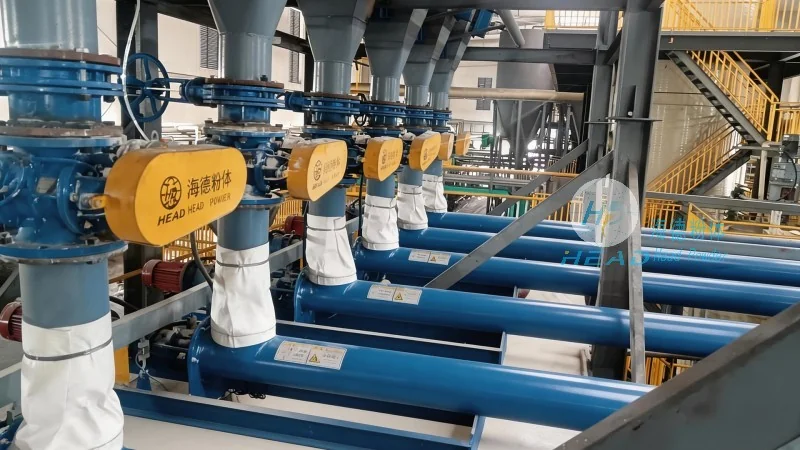
2. **Pressure (Positive) Systems**: In contrast, pressure systems operate under positive pressure, pushing material through the pipeline. They are suitable for longer distances and higher material flow rates, as they can maintain consistent pressure throughout the system. Pressure systems are often preferred in industrial settings where high throughput is required, such as in large-scale cement production facilities.
Additionally, there are hybrid systems that combine elements of both suction and pressure, offering flexibility in handling different material types and operational requirements. These systems may include multiple fans or blowers to manage the pressure and flow, ensuring efficient and reliable material transport.
Practical Applications of Cement Dry Powder Pneumatic Conveying
The versatility of cement dry powder pneumatic conveying makes it applicable in a wide range of industries. In the cement industry itself, these systems are used for transporting raw materials like limestone, clay, and iron ore from storage silos to the grinding mills. This ensures a continuous and efficient supply of raw materials, which is critical for maintaining production rates.
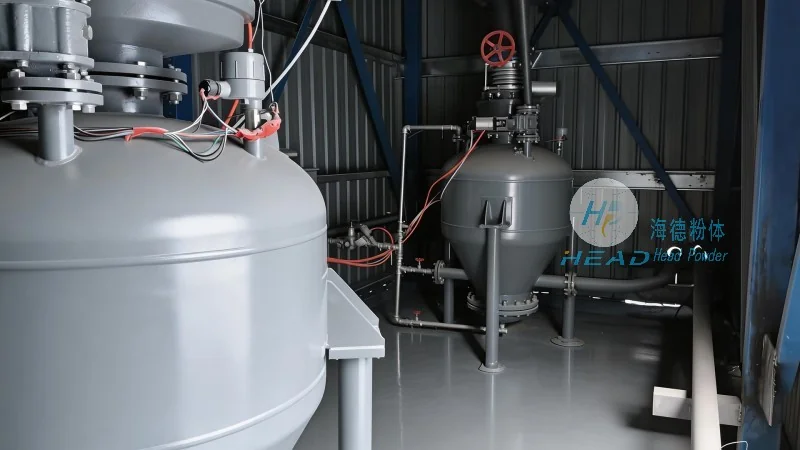
In construction and building materials sectors, pneumatic conveying systems are employed to transport cement from storage silos to batching plants or mixing stations. This method minimizes dust generation and provides a clean, controlled environment for handling the material. The ability to handle large volumes of cement with minimal labor and space requirements makes it an attractive option for construction sites and industrial plants.
Beyond the cement industry, pneumatic conveying is also utilized in other sectors such as chemical processing, pharmaceuticals, and food processing. For example, in chemical plants, these systems can transport various powders, including additives and pigments, with precision and efficiency. In pharmaceutical applications, the gentle handling and contamination control features of pneumatic systems are particularly valuable, ensuring product quality and safety.
Advantages and Considerations in Cement Dry Powder Pneumatic Conveying
Implementing cement dry powder pneumatic conveying systems offers several advantages. These include reduced labor costs due to automated material handling, lower energy consumption compared to mechanical systems, and improved safety by minimizing manual handling of powders. Additionally, the systems can be designed to handle a wide range of particle sizes and densities, making them adaptable to different material characteristics.
However, there are also considerations to keep in mind. The design of the system must account for the specific properties of the cement, such as its moisture content, particle size distribution, and flowability. Proper system sizing and maintenance are crucial to prevent blockages, which can lead to system downtime and increased operational costs. Furthermore, the selection of appropriate air velocities and pipeline diameters is essential to ensure efficient and reliable operation.




