Coal tar powder, a byproduct of the coking process, is widely used in various industrial applications such as road construction, waterproofing, and chemical synthesis. The efficient transportation of this fine powder is crucial for maintaining production efficiency and ensuring product quality. Pneumatic conveying, a method that uses air to transport bulk materials, has become a preferred solution for handling coal tar powder due to its advantages in cleanliness, safety, and flexibility.
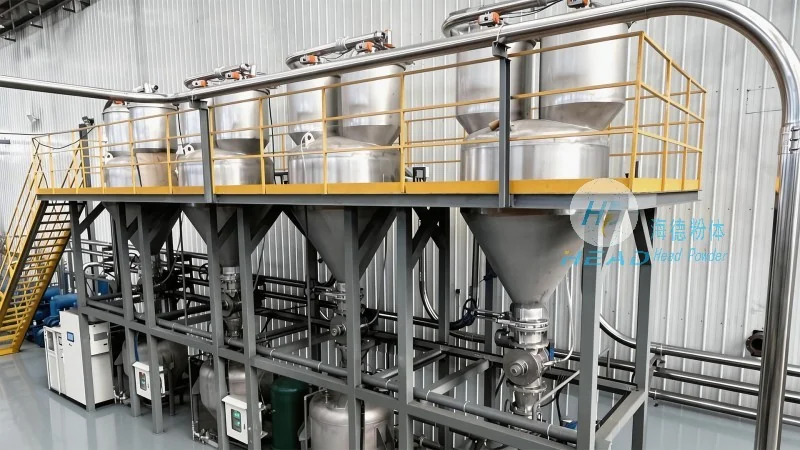
Working Principle of Coal Tar Powder Pneumatic Conveying
The core of coal tar powder pneumatic conveying lies in the use of air as the conveying medium. The process typically involves a series of components including a hopper, a rotary valve, a conveying pipe, a dust collector, and a filter. The coal tar powder is first stored in the hopper and then fed into the conveying system through the rotary valve. As the air is introduced into the system, it creates a flow that lifts and transports the powder particles through the pipeline. The air velocity is carefully controlled to ensure that the powder particles are carried without excessive pressure loss or particle separation. The dust collector and filter then separate the powder from the air, allowing the clean air to be discharged while the powder is collected for further use.
Classification of Pneumatic Conveying Systems for Coal Tar Powder
Pneumatic conveying systems for coal tar powder can be classified into several types based on the air flow direction and pressure. The most common types include pressure conveying, vacuum conveying, and mixed conveying systems.
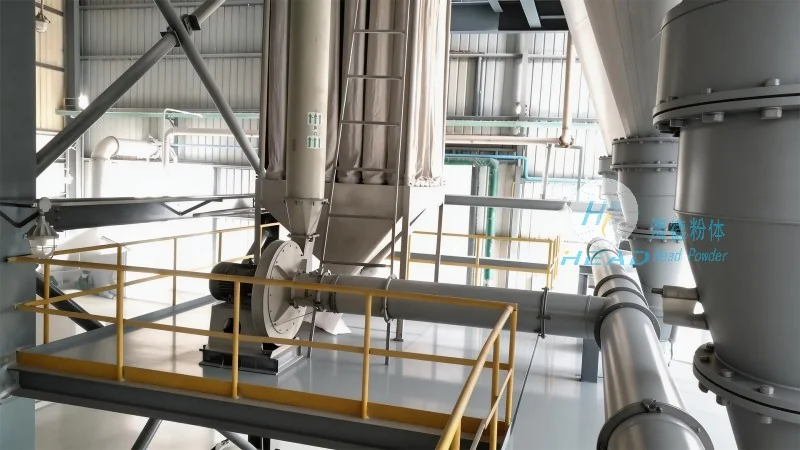
Pressure conveying systems operate by generating high-pressure air that pushes the powder through the pipeline. This method is suitable for long-distance and high-capacity transportation. The system typically includes a positive displacement blower or a rotary lobe blower that provides the necessary pressure. The pressure conveying system is efficient for applications where the powder needs to be transported from a central location to multiple destinations.
Vacuum conveying systems, on the other hand, use a vacuum pump to draw the powder into the pipeline. This method is ideal for short-distance and low-capacity applications, especially when the powder needs to be collected from multiple points. The vacuum system is often used in situations where the powder is generated at the point of use and needs to be transported back to a central storage area.
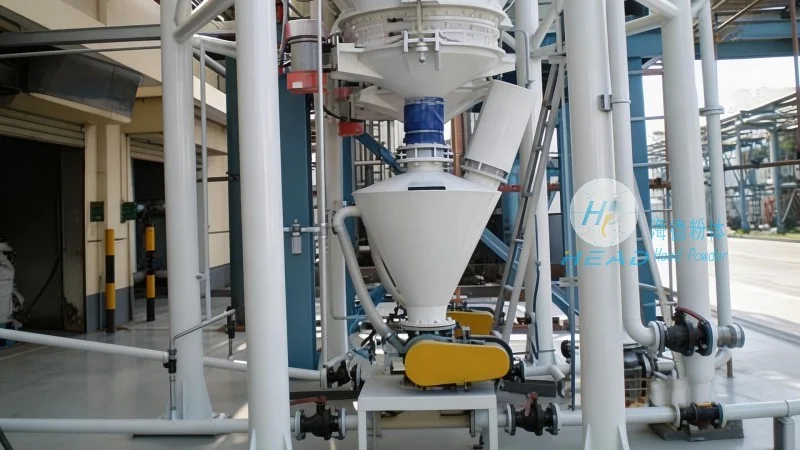
Mixed conveying systems combine both pressure and vacuum principles. They use a combination of positive and negative pressure to transport the powder. This type of system is versatile and can handle a wide range of powder characteristics and distances. Mixed conveying is often used in complex industrial setups where different sections of the plant require both delivery and collection of coal tar powder.
Application Scenarios and Benefits in Industrial Settings
The application of coal tar powder pneumatic conveying systems varies across different industries. In the road construction industry, the system is used to transport coal tar emulsions and binders to mixing plants, ensuring a consistent supply of materials for asphalt production. In the chemical industry, the system facilitates the transfer of coal tar derivatives used in the manufacturing of chemicals and pharmaceuticals. The benefits of using pneumatic conveying for coal tar powder include reduced labor costs, minimized material loss, and improved workplace safety. Unlike traditional methods such as bucket elevators or belt conveyors, pneumatic systems eliminate the need for physical contact with the powder, reducing the risk of dust exposure and contamination.
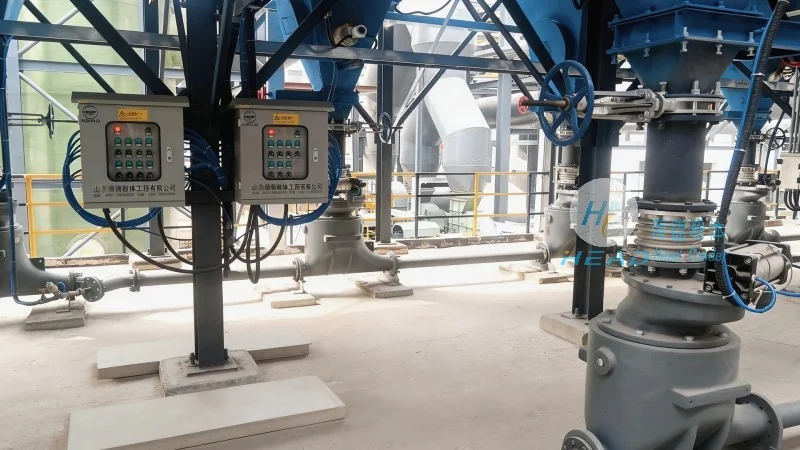
Key Considerations for System Design and Maintenance
When designing a pneumatic conveying system for coal tar powder, several factors must be considered to ensure optimal performance. The first is the particle size and density of the powder, as these characteristics affect the air velocity required for transportation. Larger and denser particles may require higher air pressure or different system configurations. The second factor is the distance and layout of the conveying path, which influences the choice between pressure, vacuum, or mixed systems. The third consideration is the environmental regulations and safety standards, as coal tar powder is a hazardous material and requires proper containment and filtration.
Maintenance of the pneumatic conveying system is also critical to ensure long-term reliability. Regular cleaning of the hopper, rotary valve, and pipeline is necessary to prevent clogging and material buildup. The air filter and dust collector should be checked and replaced regularly to maintain air quality and system efficiency. Additionally, the blower or pump should be inspected for wear and tear, and lubricated as per the manufacturer's recommendations. Proper maintenance not only extends the lifespan of the equipment but also ensures consistent performance and reduces downtime.




