For industrial applications involving the handling of quicklime powder, a reliable and efficient pneumatic conveying system is often essential. This article will explore what a quicklime powder pneumatic conveying system is and delve into its core design principles, providing insights into the technology used by companies like Shandong HeadPowder Engineering Co., Ltd. based in China.
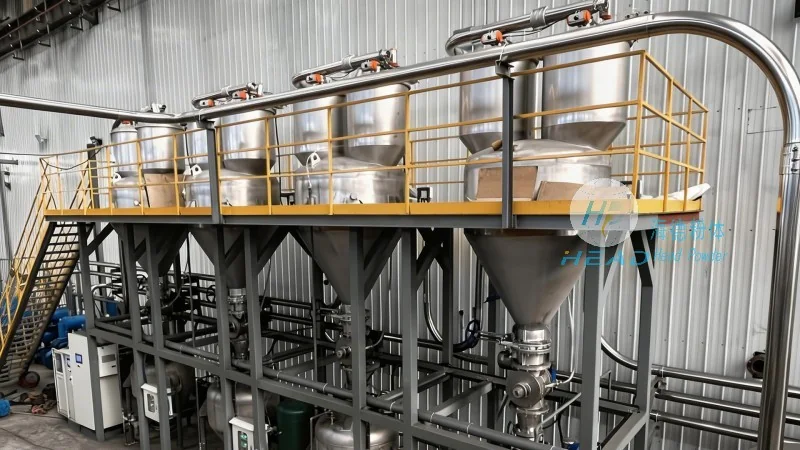
Understanding Quicklime Powder Pneumatic Conveying Systems
Quicklime powder, also known as calcium oxide (CaO), is a widely used chemical in various industries, including construction, steel production, and chemical manufacturing. Handling this material efficiently requires specialized equipment to ensure safety, minimize dust emissions, and maintain product quality. A pneumatic conveying system is a method of transporting bulk materials like quicklime powder through a pipeline using air or other gas as the conveying medium. This technology offers several advantages over traditional methods such as belt conveyors or bucket elevators, including reduced labor costs, improved safety by eliminating manual handling, and the ability to transport materials over longer distances without the need for multiple transfer points.
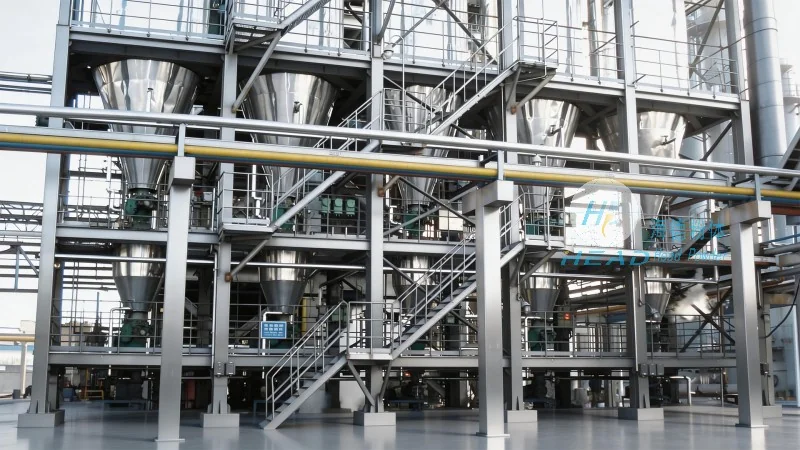
Key Components of a Quicklime Powder Pneumatic Conveying System
The design of a quicklime powder pneumatic conveying system typically involves several key components that work together to ensure smooth and efficient operation. These components include the material feed hopper, the conveying pipeline, the air or gas source (often a blower or compressor), and the discharge equipment. The feed hopper is responsible for storing and feeding the quicklime powder into the system, ensuring a consistent flow rate. The pipeline is where the material and conveying medium travel, and its design (such as the use of flexible or rigid tubing) can impact the system's performance. The air source provides the necessary pressure to move the material through the pipeline, and the discharge equipment, such as a rotary valve or a dust collector, manages the material's exit from the system. Each component must be carefully selected and sized to match the specific requirements of the quicklime powder being handled, including its particle size, moisture content, and bulk density.
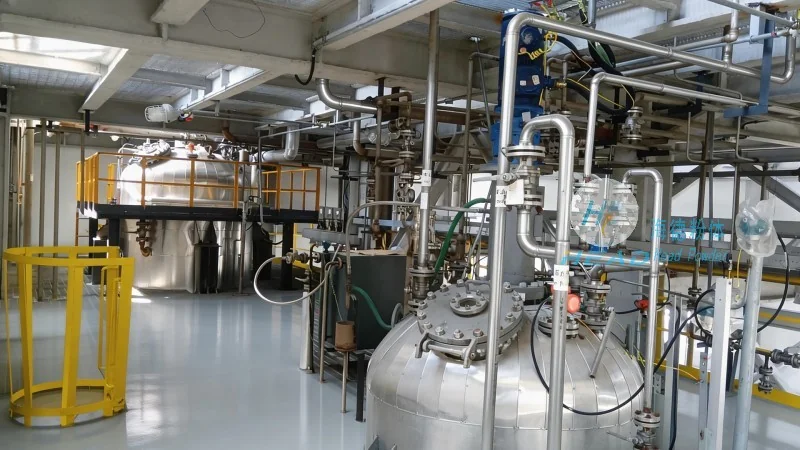
Design Principles for Optimal Performance
The design principles of a quicklime powder pneumatic conveying system are crucial for achieving optimal performance and ensuring the system operates efficiently and safely. One of the primary design considerations is the velocity of the conveying medium. The velocity must be high enough to keep the quicklime powder in suspension and prevent it from settling or clogging the pipeline. However, excessively high velocities can lead to increased energy consumption and wear on the system components. Engineers typically aim for a velocity that balances these factors, often ranging from 20 to 30 meters per second for most quicklime powder applications. Another important design principle is the system's pressure drop. The pressure drop across the pipeline and components must be minimized to reduce energy consumption and prevent the system from losing conveying capacity. This is achieved through the use of smooth pipelines, appropriate bends and fittings, and efficient components that minimize friction. The system's layout is also a critical design factor, as the arrangement of the feed hopper, pipeline, and discharge equipment can significantly impact the overall performance. A well-designed layout ensures that the material flows smoothly through the system, reducing the risk of blockages or material buildup. Additionally, the system must be designed to handle the specific properties of quicklime powder, such as its reactivity and potential for dust generation. This may involve the use of special materials for the pipeline and components to prevent corrosion or wear, as well as the incorporation of dust control measures to ensure compliance with environmental regulations.
Applications and Benefits of Quicklime Powder Pneumatic Conveying Systems
Quicklime powder pneumatic conveying systems are used in a wide range of industrial applications where the efficient handling of quicklime powder is required. In the construction industry, these systems are used to transport quicklime powder to mixing plants for the production of mortar and concrete. In the steel industry, quicklime is used as a flux in the steelmaking process, and pneumatic conveying systems are used to transport it to the blast furnaces. In the chemical industry, quicklime is used in the production of calcium compounds, and pneumatic conveying systems are used to transport it between processing units. The benefits of using a pneumatic conveying system for quicklime powder handling are numerous. As mentioned earlier, these systems offer improved safety by eliminating manual handling of the material, which reduces the risk of dust exposure and accidents. They also provide a more hygienic and cleaner working environment, as the material is contained within the pipeline and does not come into contact with the air. Additionally, pneumatic conveying systems can reduce the need for storage space, as the material can be transported directly from the storage hopper to the processing equipment. The efficiency of these systems also leads to cost savings, as they require less labor and maintenance compared to traditional handling methods. Furthermore, the ability to transport quicklime powder over longer distances without the need for multiple transfer points makes these systems ideal for large-scale industrial operations.
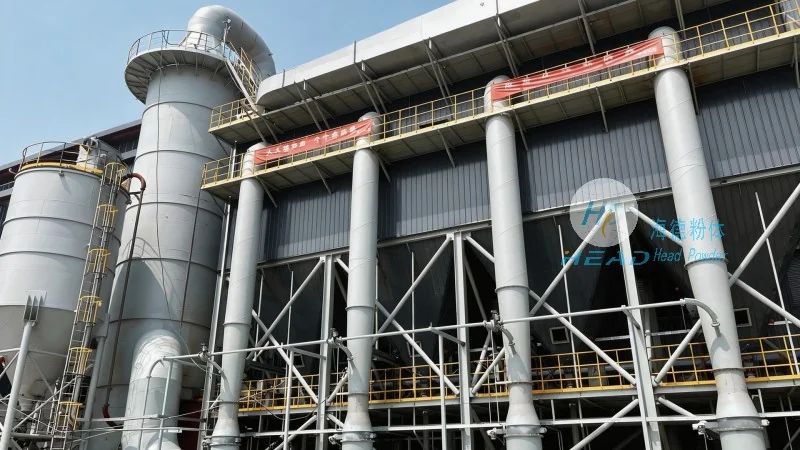
Conclusion and Company Overview
In conclusion, a quicklime powder pneumatic conveying system is a critical piece of equipment for industries that handle quicklime powder, offering efficient, safe, and cost-effective material transport. The design principles of these systems, including the selection of appropriate components, the control of conveying velocity and pressure drop, and the optimization of system layout, are essential for achieving optimal performance. Companies like Shandong HeadPowder Engineering Co., Ltd., based in China, specialize in the design and manufacturing of such systems, providing customized solutions tailored to the specific needs of their clients. With a focus on quality and reliability, these companies ensure that their pneumatic conveying systems meet the highest standards of performance and safety, helping industrial operations to handle quicklime powder efficiently and effectively.




