

What is a Polyvinyl Chloride (PVC) Pneumatic Conveying System Equipment? What are the Design Princip
Understanding the Polyvinyl Chloride (PVC) Pneumatic Conveying System Equipment and Its Design Principles is crucial for industries that rely on efficient material handling solutions. HeadPowder, a leading manufacturer of such equipment, provides comprehensive solutions tailored to the specific needs of various industries. This article delves into the specifics of PVC pneumatic conveying systems, highlighting their functionality, components, and the underlying design principles that ensure optimal performance.
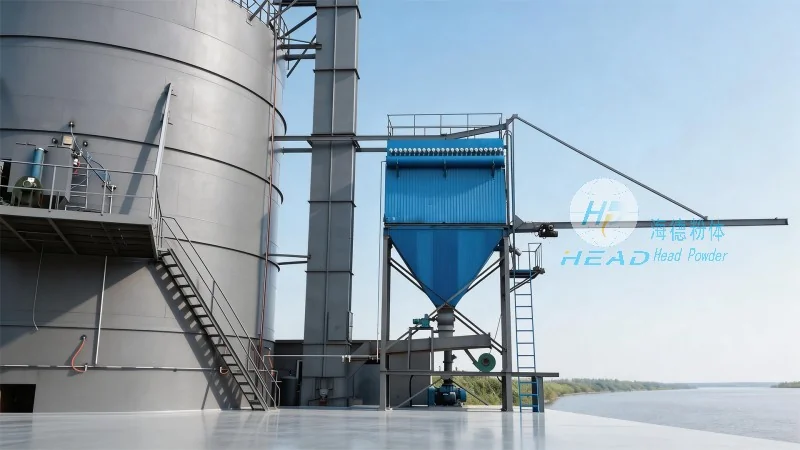
PVC Pneumatic Conveying System Equipment: An Overview
Polyvinyl Chloride (PVC) pneumatic conveying systems are specialized equipment designed to transport bulk materials through a pipeline using air or other gases as the conveying medium. These systems are widely used in various industries, including chemical processing, food processing, pharmaceuticals, and manufacturing, due to their ability to handle a diverse range of materials with minimal contamination and high efficiency. The equipment typically consists of several key components, including a material hopper, a rotary airlock valve, a conveying line, a dust collector, and a control system. Each component plays a vital role in the overall operation of the system, ensuring that materials are conveyed safely and effectively from the source to the destination.
Key Components of a PVC Pneumatic Conveying System
The material hopper is the primary container where bulk materials are stored before being fed into the conveying system. It is designed to hold a sufficient quantity of material to maintain a consistent flow rate, preventing interruptions in the conveying process. The rotary airlock valve, also known as a star valve, is a critical component that regulates the flow of material from the hopper into the conveying line. This valve ensures that material is discharged in a controlled manner, preventing backflow and maintaining the integrity of the material being conveyed. The conveying line, usually made of PVC or other durable materials, is the main pathway through which the material and air mixture travels. The diameter and length of the line are carefully selected based on the material characteristics and the required conveying distance. A dust collector is often integrated into the system to capture any airborne particles and prevent environmental contamination. The control system, which may include sensors, valves, and a programmable logic controller (PLC), monitors and regulates the operation of the entire system, ensuring optimal performance and safety.
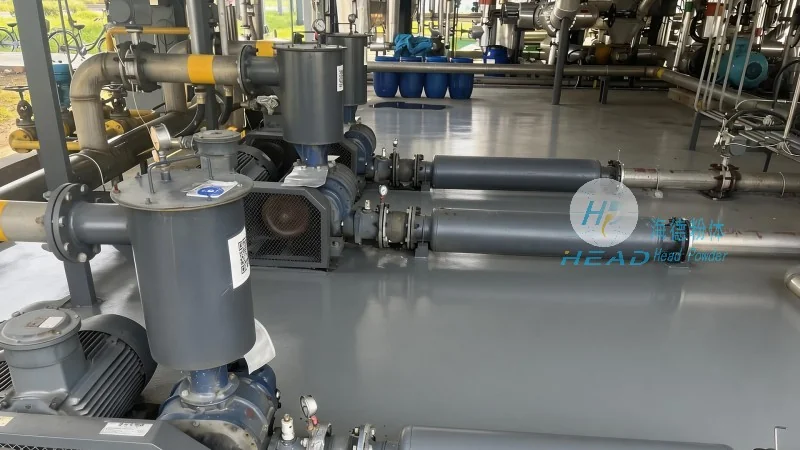
Design Principles for PVC Pneumatic Conveying Systems
The design of a PVC pneumatic conveying system is based on several fundamental principles that ensure efficiency, reliability, and safety. The first principle is the selection of the appropriate conveying velocity, which is determined by the material's properties, such as particle size, density, and moisture content. The conveying velocity must be high enough to keep the material in suspension but low enough to prevent excessive wear on the equipment. The second principle is the proper sizing of the conveying line and components, which is crucial for maintaining the required pressure and flow rates. The third principle is the consideration of the material's behavior under pneumatic conditions, including its tendency to agglomerate or settle, which may require additional equipment like agitators or vibration devices to maintain flow. The fourth principle is the incorporation of safety features, such as pressure relief valves and explosion-proof components, to protect the system and personnel from potential hazards. Finally, the design must consider the overall system efficiency, including energy consumption and maintenance requirements, to ensure long-term cost-effectiveness.
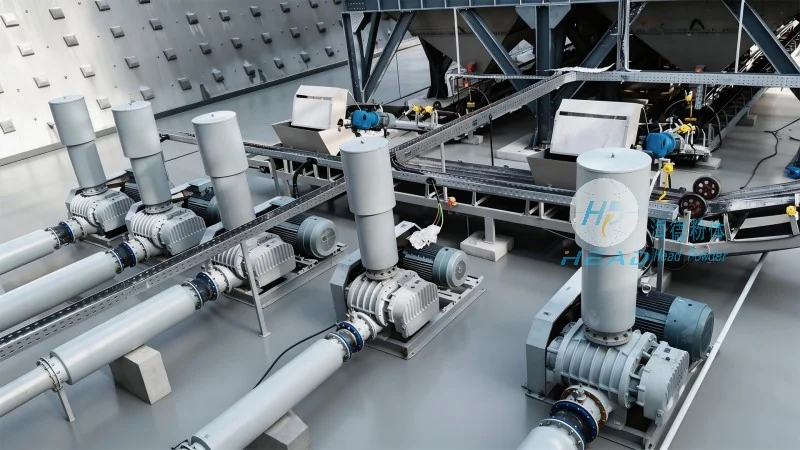
Applications and Benefits of PVC Pneumatic Conveying Systems
PVC pneumatic conveying systems are versatile and can be applied to a wide range of applications, from small-scale laboratory operations to large-scale industrial processes. Some common applications include the transport of powders, granules, and bulk solids in chemical plants, food processing facilities, and pharmaceutical manufacturing. The benefits of using such systems include reduced labor costs, improved safety by minimizing manual handling, increased production efficiency, and lower environmental impact due to the enclosed nature of the conveying process. Additionally, PVC materials are resistant to corrosion and chemicals, making them suitable for handling aggressive materials that would otherwise damage traditional metal or plastic equipment.
Conclusion
In conclusion, Polyvinyl Chloride (PVC) pneumatic conveying system equipment is a sophisticated and efficient solution for bulk material handling. The design principles, which focus on material properties, system sizing, and safety considerations, ensure that these systems operate reliably and effectively. HeadPowder, with its expertise in engineering and manufacturing, offers high-quality PVC pneumatic conveying systems that meet the demanding requirements of modern industries. By leveraging the company's design and manufacturing capabilities, businesses can enhance their material handling capabilities and achieve greater operational efficiency.