Biomass pellet pneumatic conveying systems are specialized equipment designed to transport biomass pellets efficiently and reliably. These systems are widely used in various industries, including biomass energy production, feed manufacturing, and material handling. The core function of such systems is to move biomass pellets from one location to another using a combination of air pressure and mechanical components. This approach offers several advantages over traditional methods like belt conveyors or bucket elevators, including reduced labor costs, improved safety, and the ability to handle materials in a dust-free environment.
Key Components of a Biomass Pellet Pneumatic Conveying System
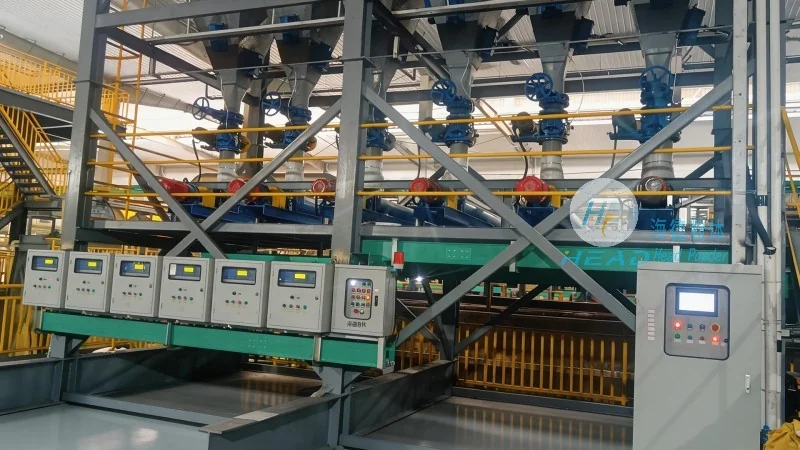
A typical biomass pellet pneumatic conveying system consists of several key components that work together to ensure smooth operation. The main components include a hopper for material storage, a feeder to control the flow of pellets, a conveyor line (often a pipe) through which air and pellets travel, a blower or fan to generate the necessary air pressure, and a receiver or discharge point where the pellets are deposited. Each component plays a critical role in the overall performance of the system. For instance, the hopper ensures a consistent supply of pellets, while the feeder regulates the flow rate to match the system's capacity. The conveyor line, usually made of stainless steel or other corrosion-resistant materials, is designed to withstand the abrasive nature of biomass pellets and maintain a clean, efficient transport path. The blower or fan provides the motive force, creating a pressure differential that propels the pellets through the system. Finally, the receiver collects the pellets and can be equipped with additional features like a dust collector to minimize emissions and maintain air quality.
Design Principles of Biomass Pellet Pneumatic Conveying Systems
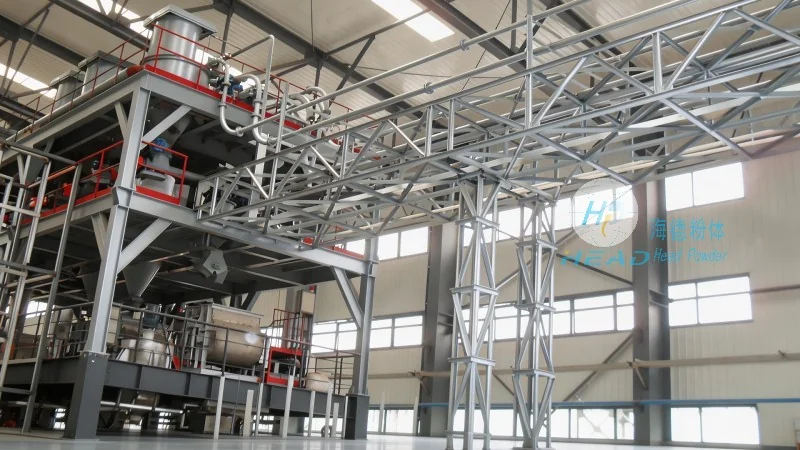
The design of a biomass pellet pneumatic conveying system is based on several fundamental principles that ensure optimal performance and efficiency. One of the primary principles is the balance between air velocity and material velocity. The air velocity must be sufficient to keep the pellets suspended and moving through the pipe, but not so high that it causes excessive wear on the system components or leads to energy inefficiency. This balance is crucial for maintaining the system's throughput and minimizing operational costs. Another key principle is the consideration of material properties. Biomass pellets can vary in size, density, and moisture content, which affects how they behave in the conveying system. Designers must account for these variations to ensure the system can handle a wide range of pellet types without clogging or loss of efficiency. Additionally, the system's design must address the issue of dust generation and air filtration. Since biomass pellets are often fine and can create dust, the system is typically equipped with dust collection and filtration systems to comply with environmental regulations and maintain a safe working environment. The design also considers the system's layout and the distance between the feed and discharge points, as the length and elevation changes can impact the required air pressure and blower capacity. Engineers use computational fluid dynamics (CFD) and other simulation tools to model the system and optimize the design parameters before construction, ensuring that the final system meets the required performance standards.
Applications and Benefits of Biomass Pellet Pneumatic Conveying Systems
Biomass pellet pneumatic conveying systems are applied in a variety of industrial settings where the efficient transport of biomass pellets is essential. In biomass energy plants, these systems are used to move pellets from storage silos to boilers or combustion chambers, ensuring a continuous and reliable fuel supply. In feed manufacturing, they help transport pellets from processing lines to packaging or storage areas, improving production line efficiency. The benefits of using pneumatic conveying systems in these applications are significant. Compared to traditional conveyor systems, pneumatic systems offer higher throughput, lower maintenance costs, and better material handling in dusty environments. They also reduce the risk of material contamination and improve workplace safety by eliminating the need for manual handling of bulk materials. Furthermore, the ability to operate the system in a closed loop with dust collection helps maintain air quality and comply with environmental regulations, which is increasingly important in today's industrial operations. The systems are also designed to be flexible, allowing for easy integration into existing production lines and the ability to adjust to changes in production volume or material type.
Conclusion
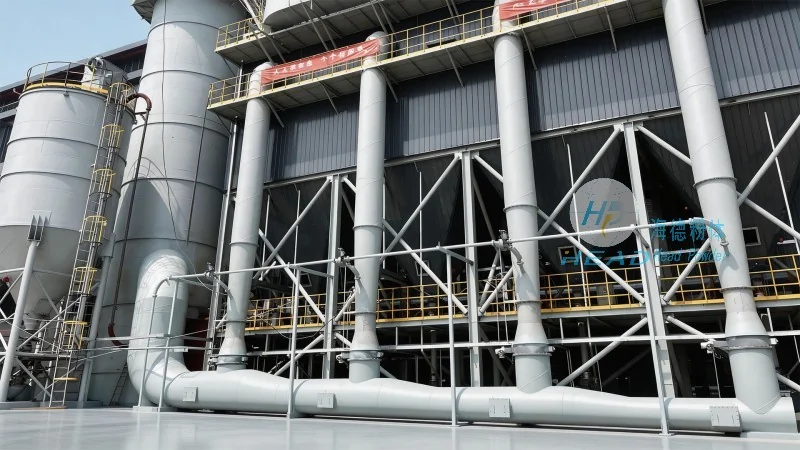
In summary, biomass pellet pneumatic conveying systems are advanced equipment designed to efficiently transport biomass pellets using air pressure and mechanical components. The design of these systems is based on principles that balance air velocity, material properties, and operational efficiency, ensuring optimal performance in various industrial applications. Companies like Shandong HeadPowder Engineering Co., Ltd., based in China, specialize in the design, manufacturing, and installation of such systems, providing customized solutions tailored to the specific needs of their clients. With their expertise in material handling and pneumatic systems, they help industries improve their production processes, reduce costs, and enhance safety and environmental compliance. The continued development and application of biomass pellet pneumatic conveying systems reflect the growing importance of biomass as a sustainable energy source and the need for efficient, reliable material handling solutions in the industry.




