Ternary positive electrode materials are a critical component in modern lithium-ion batteries, particularly for high-energy density applications. These materials typically consist of a combination of nickel, cobalt, and manganese (or other transition metals), offering enhanced performance and stability compared to traditional binary systems. The efficient handling and processing of these powders are essential for battery manufacturing, and this is where specialized equipment like the pneumatic conveying system comes into play. This article explores the functionality, design principles, and importance of such systems in the production of ternary positive electrode materials.
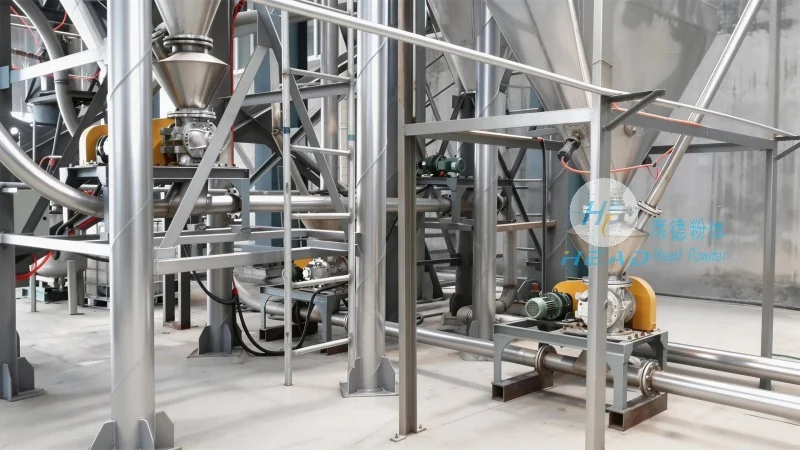
Understanding Pneumatic Conveying Systems for Ternary Materials
Pneumatic conveying systems are used to transport bulk powders, including the fine powders used in ternary positive electrode production, from one location to another within a manufacturing facility. Unlike mechanical conveying methods like belts or screws, pneumatic systems use air or other gases to move materials through a pipeline. This method offers several advantages, such as the ability to handle abrasive or sensitive powders without causing degradation, reduced contamination, and the flexibility to transport materials over long distances or vertical elevations. For ternary positive electrode materials, which are often fine and reactive, pneumatic conveying is particularly advantageous as it minimizes particle attrition and maintains the material's integrity.
Key Design Principles of Ternary Material Pneumatic Conveying Equipment
The design of a pneumatic conveying system for ternary positive electrode materials involves several critical principles to ensure optimal performance and material handling. First, the system must be capable of handling fine powders with consistent particle size distributions. This requires precise control of air flow rates and pressure differentials to prevent blockages or uneven material flow. Second, the system should incorporate features to minimize material degradation, such as low-velocity conveying sections and smooth, corrosion-resistant pipelines. Third, the design must address the potential for material segregation or agglomeration, which can occur during transport. Solutions like inline mixers or vibration devices are often integrated to maintain a uniform blend of the ternary material components. Additionally, the system must be designed for easy cleaning and maintenance, as these materials can be challenging to remove from equipment surfaces.
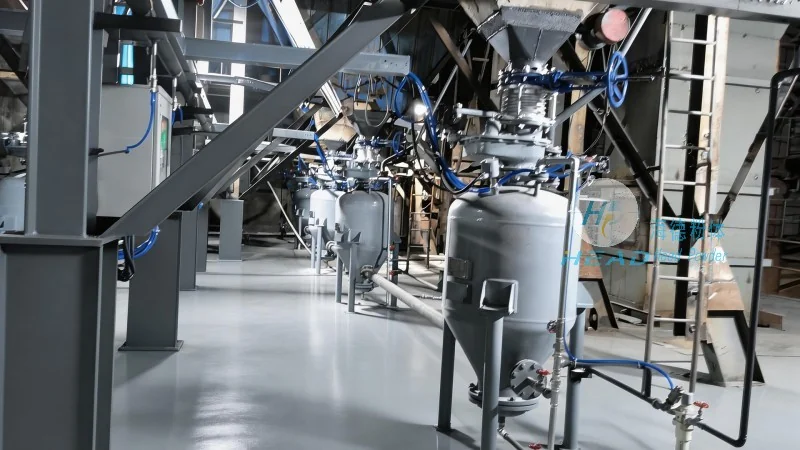
Components and Functionality of the Pneumatic Conveying System
The pneumatic conveying system for ternary positive electrode materials typically consists of several key components. The primary elements include a hopper or feeder to supply the material, a blower or compressor to generate the air flow, a pipeline network to transport the material, and a receiver or discharge point where the material is deposited. The feeder is designed to control the flow rate of the powder, ensuring a consistent feed to the system. The blower provides the necessary pressure or vacuum to move the material through the pipeline. The pipeline itself is often made of materials like stainless steel or PTFE to resist corrosion and prevent contamination from the fine powders. The receiver is equipped with a filter to capture any fine particles that may escape, preventing dust emissions and maintaining environmental compliance.
Advantages of Using Pneumatic Conveying for Ternary Materials
Implementing a pneumatic conveying system for ternary positive electrode materials offers numerous benefits for battery manufacturers. One of the most significant advantages is the reduction in material loss and contamination. Unlike mechanical systems that may cause particle breakage or mixing with other materials, pneumatic systems maintain the purity and integrity of the ternary blend. This is crucial for achieving consistent battery performance and meeting quality standards. Another advantage is the increased efficiency in material handling. Pneumatic systems can transport materials over longer distances and vertical heights with minimal energy consumption compared to other methods. This improves overall production throughput and reduces operational costs. Additionally, the flexibility of pneumatic systems allows for easy integration into existing manufacturing lines, enabling manufacturers to adapt to changing production needs without major infrastructure changes.
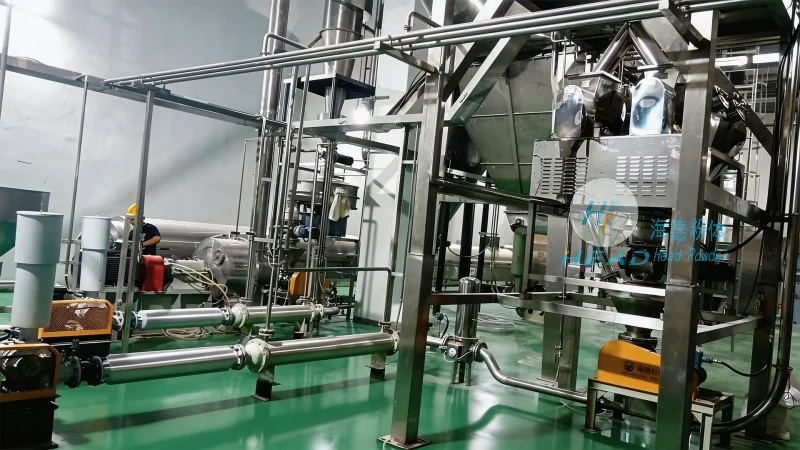
Application in Battery Manufacturing Processes
Ternary positive electrode material pneumatic conveying systems are integral to the battery manufacturing process, particularly during the mixing, drying, and coating stages. In the mixing stage, the system transports the pre-mixed ternary powders from storage to the mixing equipment, ensuring a uniform blend of nickel, cobalt, and manganese components. During the drying stage, the system may be used to transport the dried material to the coating line, where it is combined with binders and conductive agents. The coating process requires precise control over the material feed rate, which the pneumatic system can provide through adjustable air flow and feeder settings. By integrating the pneumatic conveying system into these stages, manufacturers can achieve higher production speeds and better control over the final electrode properties, leading to improved battery performance and longer cycle life.
About Shandong HeadPowder Engineering Co., Ltd.
Shandong HeadPowder Engineering Co., Ltd., operating under the brand name headpowder, is a leading provider of specialized equipment for the powder handling industry. With a focus on innovation and customer-centric solutions, the company has developed advanced pneumatic conveying systems tailored to the needs of modern battery manufacturing. HeadPowder's expertise lies in designing equipment that meets the stringent requirements of handling fine, reactive powders like ternary positive electrode materials. The company's facilities are located in Shandong, China, where it leverages local manufacturing capabilities to produce high-quality, reliable systems. HeadPowder's commitment to quality and customer satisfaction has made it a trusted partner for battery manufacturers worldwide, helping them optimize their production processes and enhance product quality.




