

Principle and Classification of Gaseous Transport for Graphene
Graphene, a two-dimensional material with exceptional mechanical, electrical, and thermal properties, has found widespread applications across various industries. The efficient handling and transportation of graphene powders are critical for industrial processes, and gaseous transport systems have emerged as a key technology in this domain. This article provides an overview of the working principles and classification of gaseous transport for graphene, highlighting the technical aspects and practical applications. The information is presented by Shandong HeadPowder Engineering Co., Ltd., a leading provider of advanced material handling solutions, with headquarters in Shandong, China.
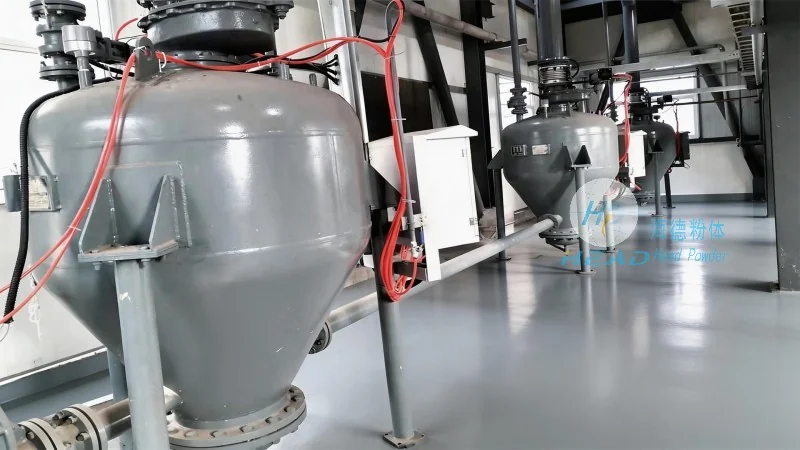
Introduction to Gaseous Transport for Graphene
Gaseous transport, also known as pneumatic conveying, involves the movement of solid particles, such as graphene powders, through a pipeline using a gas stream. This method offers advantages like high efficiency, low maintenance, and the ability to handle fine powders without the need for mechanical components that might cause contamination or degradation. The process typically relies on the balance between the gas velocity and the particle size, ensuring that the particles remain suspended and transported smoothly.
Working Principles of Graphene Gaseous Transport
The core principle of gaseous transport for graphene is based on fluid dynamics and particle behavior. When a gas is introduced into a pipeline containing graphene particles, the gas flow creates a drag force on the particles. If the gas velocity is sufficient to overcome the gravitational and inertial forces acting on the particles, the particles become suspended in the gas stream and are transported through the system. The key parameters influencing this process include gas velocity, particle size distribution, particle density, and the pipeline diameter. Proper design of the conveying system ensures that these parameters are optimized to achieve efficient and stable transport.
Classification of Gaseous Transport Systems for Graphene
Gaseous transport systems for graphene can be classified based on the gas flow direction and the pressure conditions. The primary categories include:
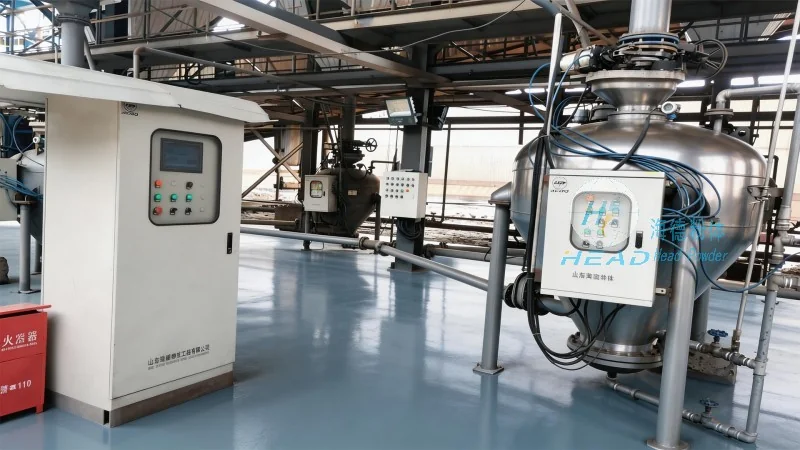
Positive Pressure Conveying
Positive pressure systems operate by introducing compressed air or other gases into the pipeline, creating a pressure higher than the ambient pressure. The gas flow pushes the graphene particles forward, ensuring continuous movement. This method is suitable for short to medium distances and is commonly used in industries where the material needs to be transported from a central source to multiple destinations. The system typically includes a blower or compressor at the inlet, a hopper for material feeding, and a pipeline network for distribution.
Negative Pressure (Vacuum) Conveying
Negative pressure systems, also known as vacuum conveying, create a low-pressure environment at the inlet, drawing the graphene particles into the pipeline. The vacuum is generated by a vacuum pump, and the particles are pulled along the pipeline as the gas flows from the high-pressure to low-pressure side. This method is ideal for long-distance transport and for handling materials that are sensitive to pressure changes or mechanical stress. Negative pressure systems are often preferred for applications requiring gentle handling of fine powders, as they minimize particle degradation and agglomeration.
Two-Phase Flow Conveying
Two-phase flow systems combine elements of both positive and negative pressure conveying. They utilize a combination of compressed air and vacuum to achieve efficient transport over varying distances. The system typically starts with a positive pressure section to accelerate the particles and then transitions to a negative pressure section to maintain the flow and reduce energy consumption. This approach offers flexibility in handling different particle sizes and flow rates, making it suitable for complex industrial applications where multiple processing steps are involved.
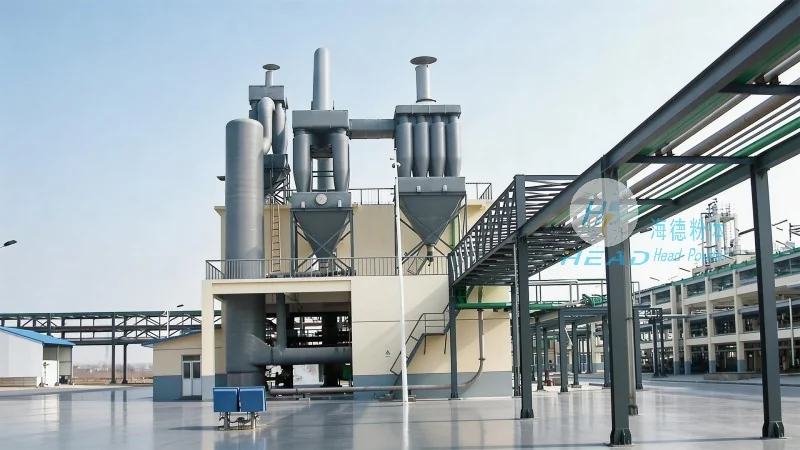
Applications of Graphene Gaseous Transport
The application of gaseous transport for graphene spans multiple industries, leveraging the material's unique properties. In the electronics industry, graphene is used in the production of flexible displays and sensors, where precise handling of fine powders is essential. The gaseous transport system ensures that the graphene particles are delivered to the production line without contamination, maintaining the high purity required for electronic applications. In the energy sector, graphene is incorporated into battery electrodes and supercapacitors, and the efficient transport of graphene powders is critical for large-scale manufacturing. The system's ability to handle large volumes of material at high speeds supports the production of high-performance energy storage devices.
Key Considerations in Designing Graphene Gaseous Transport Systems
Designing an effective gaseous transport system for graphene requires careful consideration of several factors to ensure optimal performance and longevity. Particle size and distribution are critical, as they directly impact the gas velocity required for suspension. Larger particles may need higher gas velocities or different conveying methods, such as dense phase conveying, to prevent blockages. Material properties, including the density and moisture content of the graphene powder, also influence the system design. Moisture can affect the flow characteristics and may require additional drying steps before transport. Pipeline design, including the diameter, length, and bends, must be optimized to minimize pressure drop and energy consumption. Regular maintenance of the system components, such as filters and pumps, is essential to prevent clogging and ensure consistent operation.
Conclusion
Gaseous transport technology plays a vital role in the efficient handling and transportation of graphene powders, enabling its integration into various industrial applications. By understanding the working principles and classification of these systems, manufacturers can select the most appropriate method for their specific needs, ensuring high-quality, consistent delivery of graphene materials. As the demand for graphene continues to grow, the development of advanced gaseous transport systems will remain crucial in supporting the industrial adoption of this versatile material.