

Zircon Sand Pneumatic Conveying: Working Principles and Classification Applications
Zircon sand, a critical raw material in industries such as ceramics, refractory production, and chemical manufacturing, requires efficient and reliable transportation methods to support smooth production workflows. Pneumatic conveying stands out as a sophisticated solution for handling zircon sand, offering advantages like dust-free operation, minimized material degradation, and enhanced workplace safety. This article delves into the working principles of zircon sand pneumatic conveying systems and explores the different classification applications of this technology, with a focus on the expertise of Shandong HeadPowder Engineering Co., Ltd., a leading provider of bulk material handling solutions.
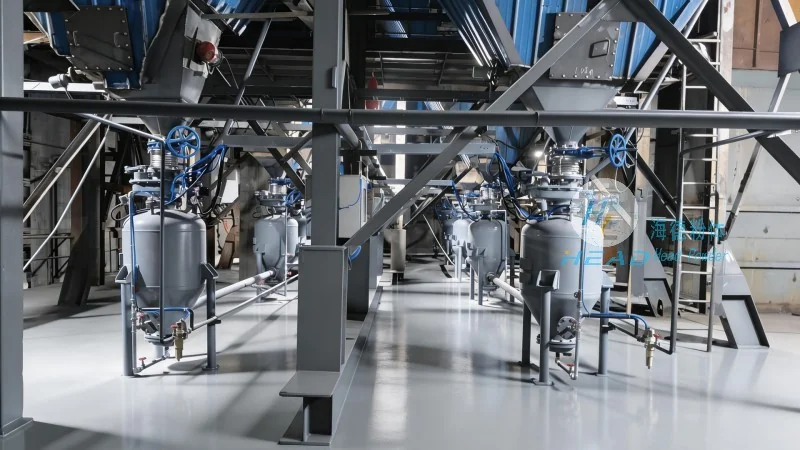
Working Principles of Zircon Sand Pneumatic Conveying
The core of zircon sand pneumatic conveying involves utilizing air as the medium to transport solid particles. The process typically comprises several key components: a material hopper for storage, a feeder to control the flow rate, a conveying line (often equipped with bends and filters), and a receiver for material deposition. The material is first loaded into the hopper, where it is then fed into the conveying line through the feeder. As high-velocity air flows through the line, it entrains the zircon sand particles, creating a slurry-like mixture that is propelled to the destination. The system can be categorized into two primary types: dilute-phase and dense-phase conveying, each with distinct operational characteristics and suitability for different applications.
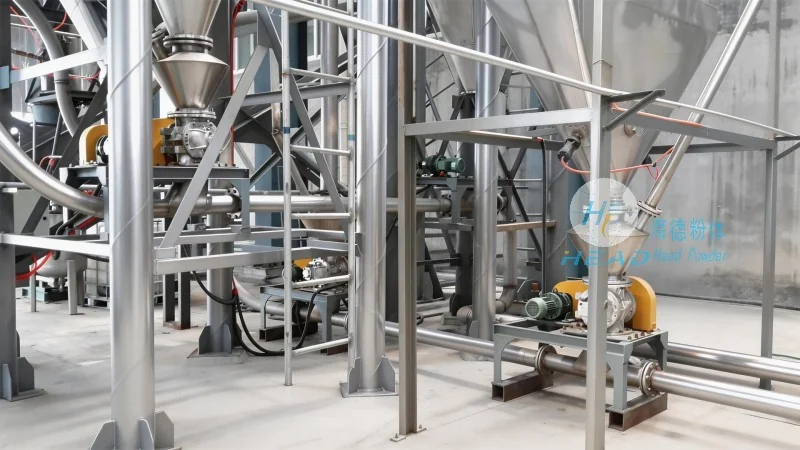
Dilute-Phase Pneumatic Conveying for Zircon Sand
Dilute-phase pneumatic conveying is defined by the low concentration of solid particles in the air stream. This method is ideal for short to medium-distance transport and is commonly employed when the zircon sand is relatively fine and requires minimal pressure. The system operates at air velocities typically ranging from 20 to 30 meters per second, ensuring efficient transport while maintaining energy efficiency. A key advantage of dilute-phase conveying is its ability to handle large volumes of material over extended distances with minimal equipment complexity. This makes it particularly suitable for applications where zircon sand needs to be transported from a central storage area to multiple processing units, such as in ceramic production lines.
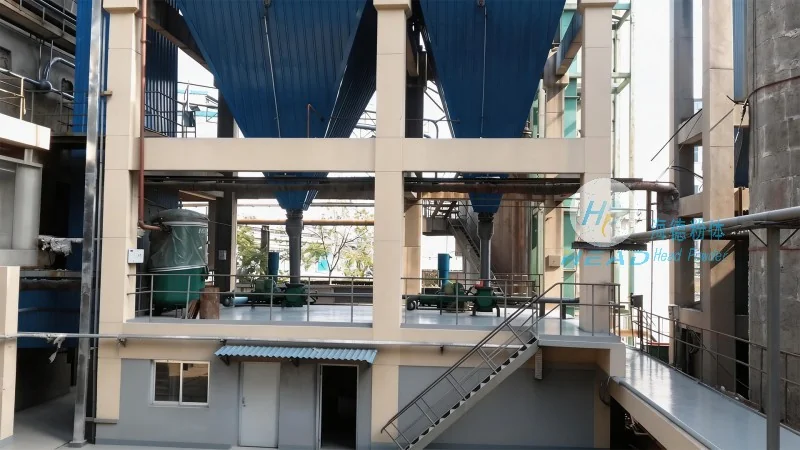
Dense-Phase Pneumatic Conveying for Zircon Sand
In contrast, dense-phase pneumatic conveying involves a higher concentration of solid particles in the air stream, often operating at lower air velocities and higher pressure. This method is especially effective for transporting zircon sand over longer distances or when the material is more abrasive or prone to degradation. The system utilizes a piston or a venturi to create a slug of material that is pushed through the conveying line, reducing the risk of particle breakage and ensuring a more consistent flow. Dense-phase conveying is commonly used in scenarios where zircon sand is transported from a mining site to a processing plant, requiring a more controlled and stable transport process to maintain material integrity.
Classification Applications of Zircon Sand Pneumatic Conveying
Zircon sand pneumatic conveying systems are widely utilized across various industries, with applications tailored to specific operational needs. The primary applications include: (1) Mining and Extraction: In the mining of zircon sand deposits, pneumatic conveying is employed to transport raw zircon sand from the extraction site to processing facilities, streamlining material handling and reducing reliance on manual labor. (2) Manufacturing and Processing: For the production of zirconia ceramics and refractory materials, pneumatic conveying is used to transport zircon sand to production lines, ensuring a consistent supply of high-quality raw material. (3) Construction and Building Materials: Zircon sand is incorporated into concrete and other building materials, and pneumatic conveying is utilized to transport the material to construction sites, supporting efficient construction projects. (4) Chemical and Pharmaceutical Industries: In the production of zirconium compounds and pharmaceuticals, zircon sand serves as a raw material, and pneumatic conveying is used to transport it to production lines, maintaining a clean and efficient processing environment.
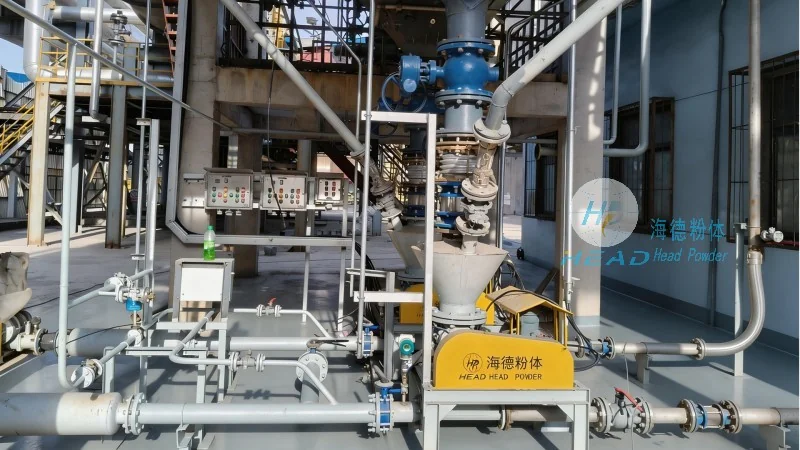
Advantages of Zircon Sand Pneumatic Conveying
Compared to traditional bulk material handling methods like belt conveyors or trucks, zircon sand pneumatic conveying offers several distinct advantages. First, it provides a dust-free environment, which is crucial for maintaining workplace safety and compliance with environmental regulations. Second, the system reduces material degradation by minimizing particle impact and friction during transport, preserving the quality of zircon sand. Third, pneumatic conveying systems are more flexible and can be easily adjusted to accommodate changes in production volumes or material characteristics. Fourth, the system is more energy-efficient compared to other methods, particularly for short to medium-distance transport. These advantages make zircon sand pneumatic conveying a preferred choice for many industrial applications, enhancing operational efficiency and sustainability.