When it comes to transporting ferric sulfate, a critical decision lies in selecting the appropriate pneumatic conveying method. The two primary options are positive pressure and negative pressure systems. Understanding the distinctions between these approaches is essential for optimizing material handling efficiency, cost-effectiveness, and operational safety. This article explores the key differences, advantages, and considerations for each method, helping you make an informed choice for your ferric sulfate conveying needs.
Positive Pressure Pneumatic Conveying
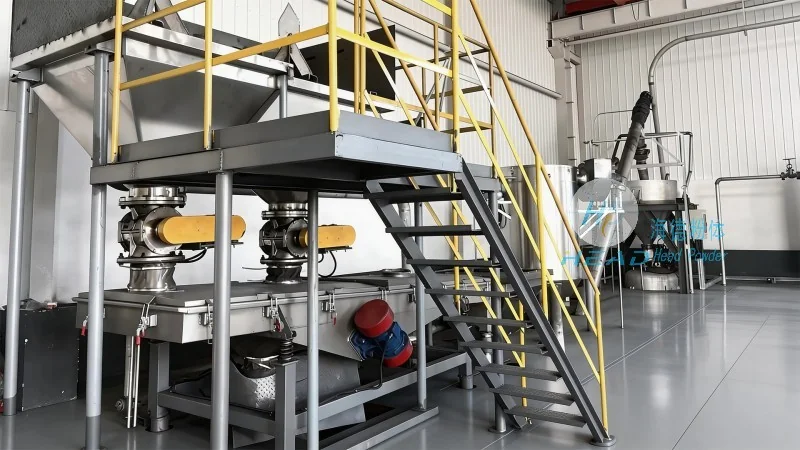
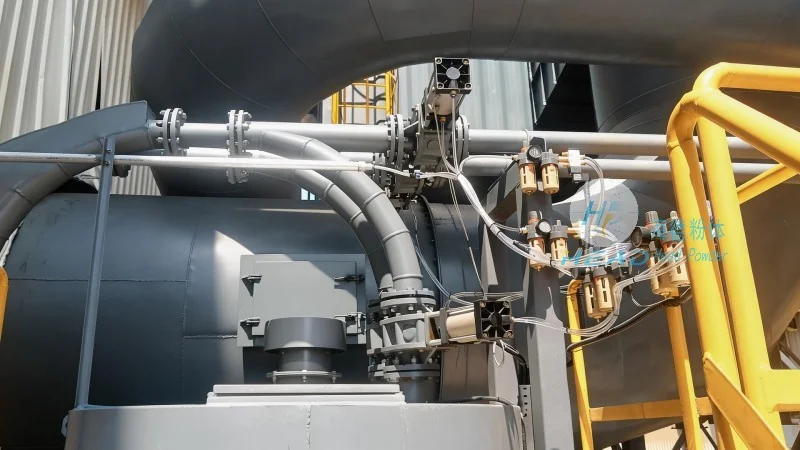
Positive pressure pneumatic conveying systems utilize compressed air or gas to force material through a pipeline. The process involves a blower or compressor that generates pressure, which is then directed into the conveying line. As the air flows, it carries the ferric sulfate particles along the pipeline, ensuring a continuous and controlled flow. This method is particularly advantageous for transporting ferric sulfate over extended distances, such as from a storage silo to a processing facility, or through complex network configurations. The pressurized air helps maintain the material's velocity, preventing settling or clogging in the pipeline. A key benefit of positive pressure is its ability to handle abrasive or corrosive materials like ferric sulfate without causing significant wear on the system components. The higher air pressure also allows for the transportation of larger quantities of material, making it suitable for bulk handling applications. However, positive pressure systems may require more substantial capital investment due to the need for robust equipment, such as high-pressure blowers and durable pipeline materials. Additionally, they typically consume more energy compared to negative pressure systems, as the continuous operation of the compressor contributes to higher operational costs.
Negative Pressure Pneumatic Conveying
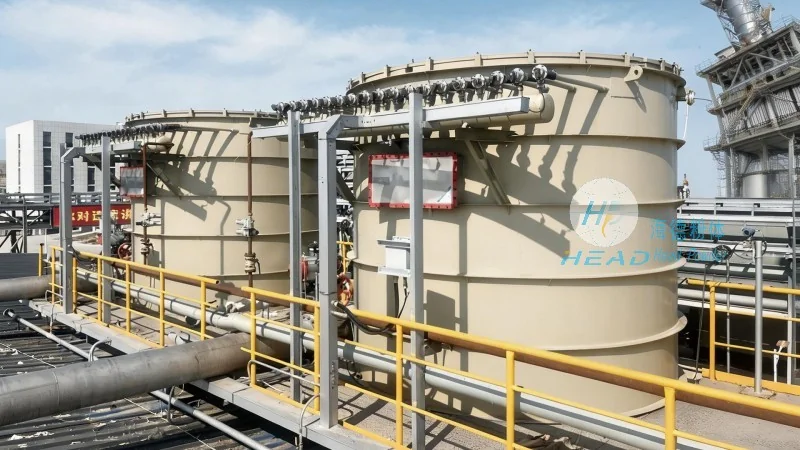
In contrast, negative pressure systems create a vacuum within the conveying line, drawing material from the source into the system. This is achieved through a vacuum pump that reduces pressure in the pipeline, causing the ferric sulfate to be pulled into the system. Negative pressure conveying is ideal for applications where the material is sensitive to pressure changes or where the conveying distance is relatively short, typically under 100 meters. The vacuum environment helps maintain the integrity of fine powders like ferric sulfate, preventing agglomeration or particle degradation during transport. This method is often more energy-efficient as it relies on the suction force rather than the force of compressed air. The lower energy consumption translates to reduced operational costs, making negative pressure systems attractive for smaller-scale or short-distance applications. However, negative pressure systems have limitations in terms of conveying distance and material capacity. The vacuum strength diminishes over longer distances, which can lead to reduced material flow rates and potential clogging. Moreover, these systems require careful maintenance to prevent dust leakage and ensure system integrity, as any breach in the vacuum seal can compromise the conveying efficiency.
Distinguishing Between Positive and Negative Pressure Systems
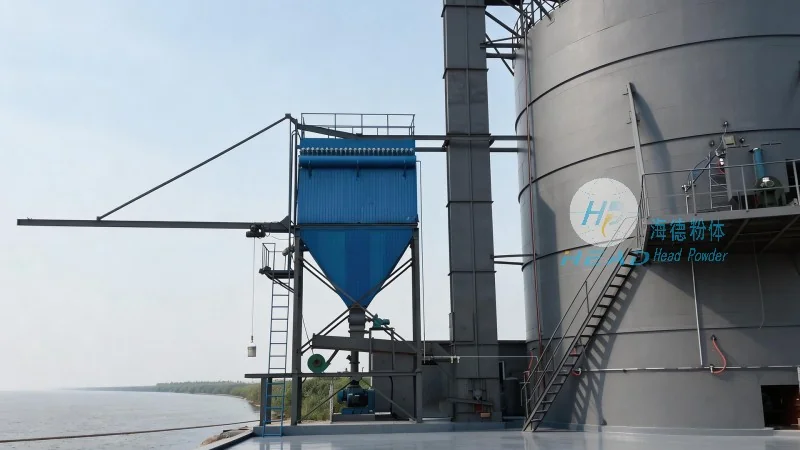
When deciding between positive and negative pressure pneumatic conveying for ferric sulfate, several critical factors must be considered. The first factor is the conveying distance and system layout. Positive pressure is generally preferred for longer distances or complex network configurations, as the pressurized air can maintain consistent flow over extended lengths. Negative pressure, however, is more suitable for shorter runs or simple systems where the material needs to be transported over a few meters. Second, material properties play a significant role. If the ferric sulfate is abrasive or prone to clogging, a positive pressure system with higher air pressure can effectively handle these challenges. Conversely, if the material is fine and sensitive, a negative pressure system provides gentler handling, preserving particle integrity. Third, energy and operational costs are important considerations. Positive pressure systems typically have higher energy consumption due to the continuous operation of the compressor, whereas negative pressure systems are more energy-efficient but may require more frequent maintenance to ensure the vacuum pump operates optimally. Finally, environmental and safety aspects should be evaluated. Positive pressure systems may generate more noise and require proper ventilation to manage air emissions, while negative pressure systems can help contain dust and reduce airborne particulate matter, enhancing workplace safety.




